Rental Renovation Permits in Miami-Dade County
By JT Express Solutions ·
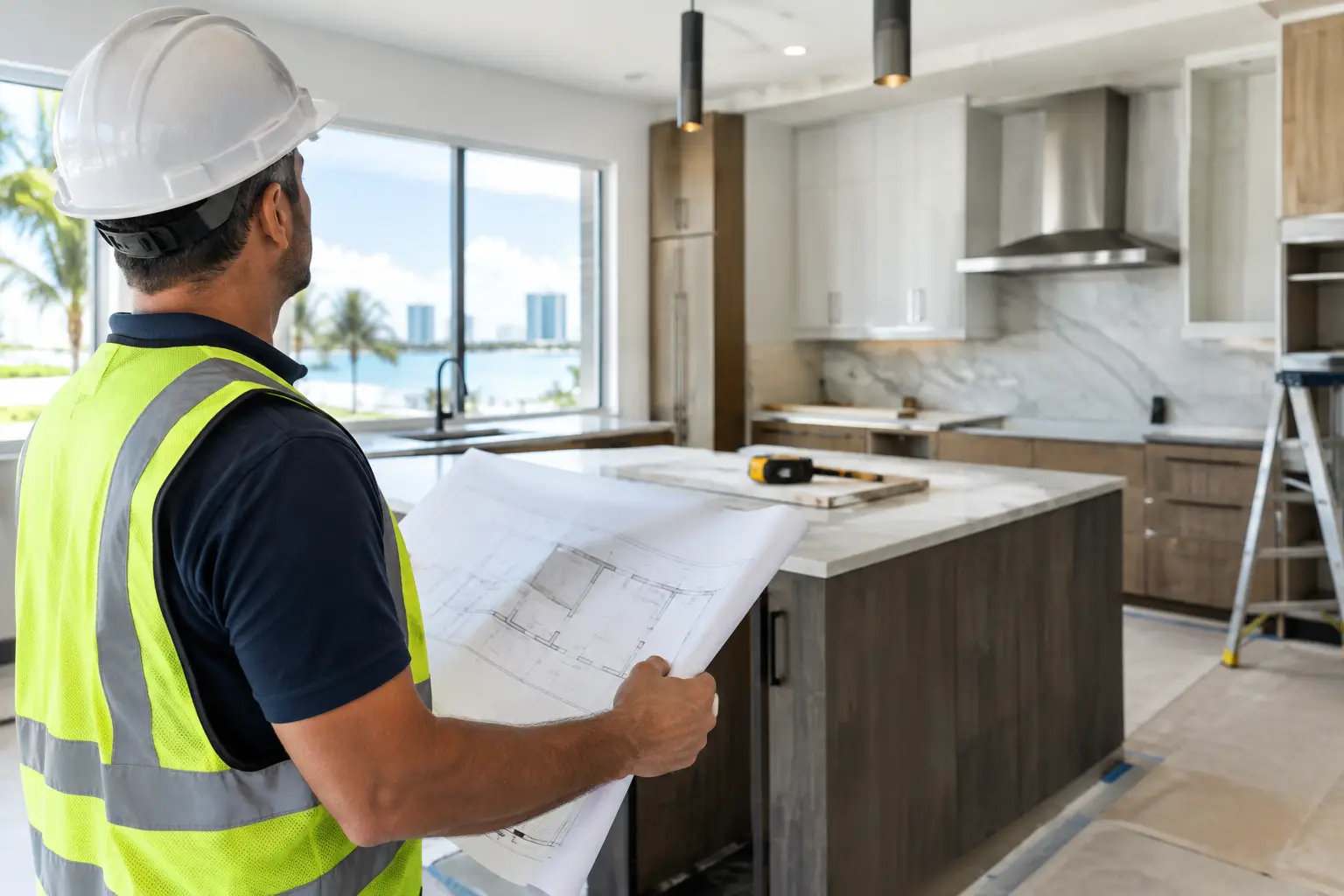
A rental turnover can look simple on paper: fresh paint, new flooring, an updated vanity, and a cleaner kitchen before the next tenant moves in. But rental renovation permits can quickly become the part of the project that determines whether work moves forward smoothly or stalls after materials have already arrived. In Miami-Dade County, the difference often comes down to what is being changed behind the walls, whether the building is a condo, and which local jurisdiction has authority over the property.
For landlords, investors, and property managers, the goal is not to permit every cosmetic improvement. It is to identify the work that affects building systems, safety, or the approved layout before scheduling crews and promising a move-in date.
When Rental Renovation Permits Are Usually Required
A permit is commonly required when a renovation changes plumbing, electrical wiring, mechanical systems, structural elements, or the interior layout. Moving a kitchen sink, adding recessed lighting, relocating a bathroom fixture, opening a wall, or installing new circuits can all trigger permit and inspection requirements.
The same is true when work involves a condo unit's building systems. A bathroom renovation may look like a finish upgrade, but moving a shower valve, replacing drain connections, or altering plumbing lines is different from swapping a mirror and vanity top. In concrete-block buildings and older South Florida properties, existing conditions can also complicate what initially appears to be a straightforward interior project.
Cosmetic work is often handled differently. Interior painting, replacing baseboards, installing cabinets in the same layout, changing hardware, and certain flooring replacements may not require a building permit. That does not automatically mean the project is approval-free. A condo association or HOA can still require an architectural review, proof of insurance, work-hour restrictions, elevator reservations, and approval for flooring materials.
Requirements vary by municipality, property type, and exact scope. The safest approach is to review the complete scope before work begins rather than relying on a neighbor's renovation or an online checklist that may apply to another jurisdiction.
Condo Approval Is Not the Same as a Permit
This is one of the most common sources of delay in rental renovations. A municipal permit and association approval serve different purposes. The local building department reviews work for code compliance. The condo board or property manager protects the building's rules, common areas, insurance requirements, and day-to-day operations.
A condo may ask for plans, contractor documentation, a refundable deposit, and a defined work schedule before allowing interior renovations. Some buildings restrict noisy demolition to specific weekday hours. Others require floor underlayment documents to confirm sound-control performance, especially in upper-floor units. These rules can affect flooring, tile demolition, drywall work, and deliveries even when a city permit is not required.
For a rental owner, that means the project calendar needs two tracks: official approvals and building access. A permit may be ready while the association is still reviewing documents. Or the association may approve a design while the scope still needs municipal review. Treating one as a substitute for the other is a costly mistake.
The Scope Matters More Than the Room
There is no universal rule that says every kitchen or bathroom renovation needs a permit. The details decide it.
A kitchen refresh that keeps cabinets, appliances, plumbing, and electrical locations in place may be primarily a finish project. Once the scope includes moving outlets, adding a dedicated appliance circuit, relocating a sink, removing a partition, or changing ventilation, permit needs become more likely.
In bathrooms, moisture management matters just as much as appearance. Replacing a vanity and repainting can be a quick turnover improvement. Rebuilding a shower, changing drain locations, replacing plumbing connections, or repairing water-damaged framing requires a closer review. South Florida humidity does not forgive shortcuts behind tile and drywall. Proper substrate preparation, waterproofing where applicable, and a clear plan for any discovered moisture are essential to a durable, spa-like finish.
Flooring creates another gray area. Luxury vinyl plank or tile can transform a rental unit quickly, but condos may require specific underlayment and documentation for sound transmission. Removing old tile can also reveal uneven slabs, cracks, or moisture conditions that need correction before a new finish is installed. That is a project-cost issue even if it does not create a new permit requirement.
Planning Rental Renovation Permits Around Vacancy
Vacancy is valuable, but rushing a permit-dependent renovation rarely saves time. The better strategy is to separate the work into a clear sequence: define the scope, confirm approval requirements, finalize selections, submit required documents, then schedule demolition and installation around access and inspections.
Material choices should be made early. A discontinued tile, delayed vanity, or backordered shower glass can turn a planned turnover into a longer vacancy. For rental properties, durable finishes are usually the smarter investment: moisture-resistant drywall where appropriate, quality paint with a washable finish, properly installed flooring, solid trim, and fixtures that can be maintained without specialty parts.
Permit timing is not one fixed number in Miami-Dade County. Review periods can depend on the jurisdiction, the completeness of the application, the level of plan review needed, correction comments, and inspection availability. A simple interior scope may move differently from a project involving plumbing, electrical, or layout changes. Adding a buffer to the leasing calendar is more realistic than advertising an exact move-in date before approvals are in place.
Avoiding Expensive Mid-Project Changes
The most expensive renovation decisions are often made after demolition. Once walls are open, owners may find old water damage, patchwork electrical work, corroded plumbing components, or uneven concrete surfaces. These discoveries do not always mean a major redesign, but they can change scope, cost, and permit needs.
A thorough pre-construction walkthrough helps reduce surprises. It should look beyond finishes and identify fixture locations, existing moisture signs, electrical needs, flooring transitions, cabinet measurements, and building access limitations. For occupied buildings, it should also account for dust control, debris removal rules, parking, loading areas, and elevator protection.
Do not assume unpermitted work is harmless because it is inside a rental unit. It can create problems during a sale, an insurance claim, association review, or a future renovation. More immediately, it can force work to stop while the proper path is sorted out. That interruption is especially painful when a tenant is scheduled to move in.
A Better Standard for Rental Improvements
The right renovation is not always the biggest one. For some rentals, a focused turnover with paint, drywall repairs, lighting updates, trim, flooring, and refreshed hardware delivers the best return without disturbing plumbing or electrical locations. For others, especially older units with dated finishes and recurring maintenance issues, a planned kitchen or bathroom remodel may be the stronger long-term move.
The key is matching the scope to the property, the rental strategy, and the building rules. A high-end waterfront condo may justify custom cabinetry, porcelain tile, and refined lighting, but it will likely have a detailed approval process. A well-managed apartment turnover may prioritize resilient materials, clean punch-out work, and a reliable schedule. Both deserve professional planning.
JT Express Solutions helps Miami-Dade owners and property managers organize interior renovation scopes with the practical details in view, from finish selections and drywall repairs to kitchens, bathrooms, flooring, and turnover work. For projects that may involve approvals or permits, discussing the scope before demolition helps protect the timeline and the finished result.
A rental should feel ready on day one, not like a beautiful unit with unresolved paperwork or hidden repairs. Request an estimate or consultation early enough to make the approval process part of the plan, not the reason the next lease is delayed.