Landlord Unit Renovation Guide for Miami Rentals
By JT Express Solutions ·
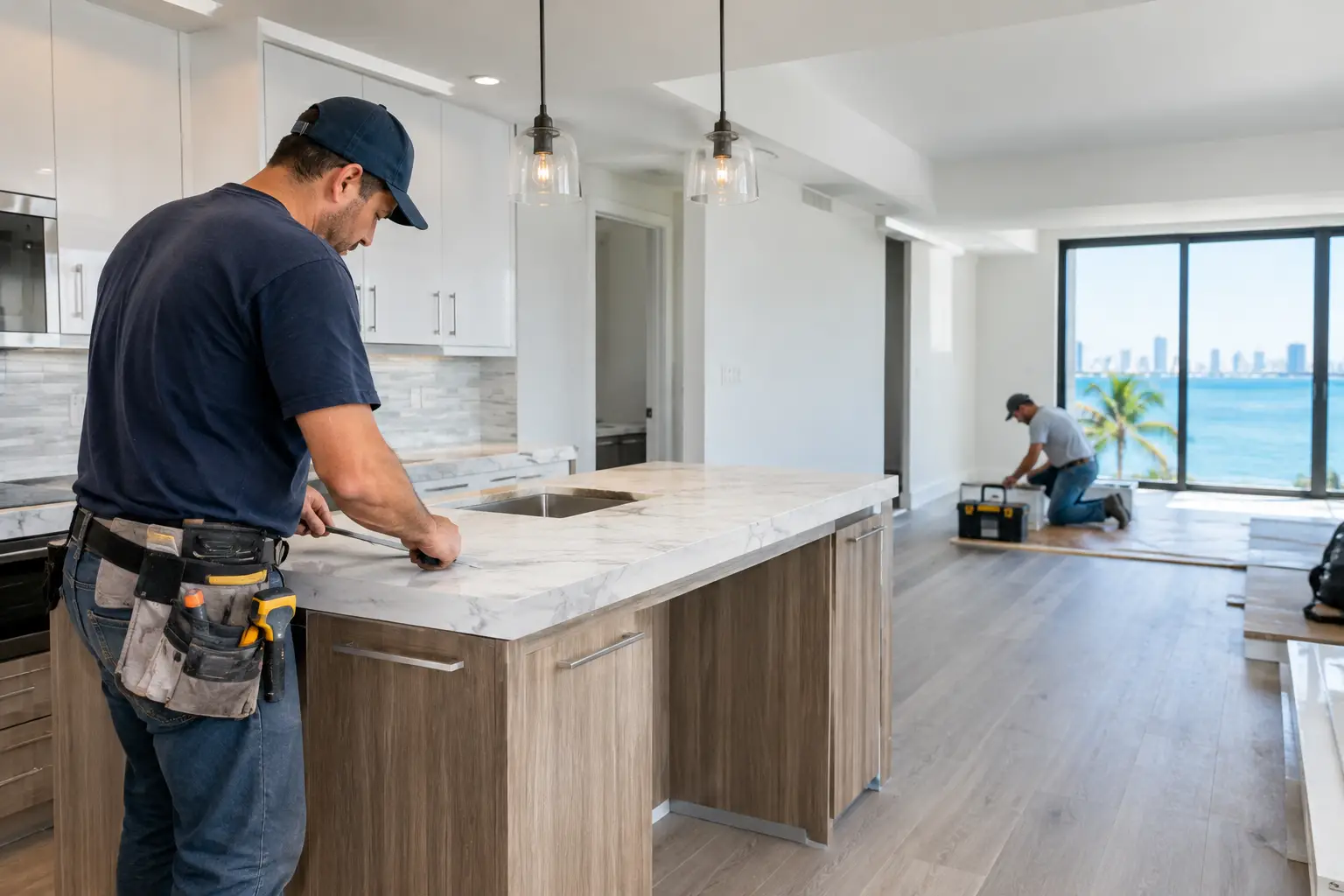
A vacant rental unit costs money every day it sits unfinished, but a rushed renovation can cost even more through repeat repairs, delayed move-ins, and finishes that do not survive tenant turnover. This landlord unit renovation guide is built for owners and property managers who want a cleaner scope, stronger rental appeal, and practical materials that make sense for South Florida conditions.
The objective is not to over-improve every unit. It is to create a polished, durable space that photographs well, leases confidently, and can be maintained without reopening the same repair list six months later. In Miami-Dade, that means accounting for humidity, concrete construction, condo rules, and the difference between a cosmetic refresh and a renovation that actually solves underlying problems.
Start With the Unit's Leasing Position
Before selecting tile or cabinet colors, decide what the unit needs to compete in its specific building and neighborhood. A waterfront condo, a workforce apartment, and an investor-owned single-family rental do not need the same level of finish. The right renovation is the one that supports the rent level, tenant profile, and expected hold period without spending heavily on features that will not improve leasing performance.
Walk the unit with a turnover mindset. Look beyond obvious paint touch-ups and note recurring trouble spots: soft baseboards near bathrooms, swollen vanity doors, loose flooring transitions, cracked drywall, failing caulk, dated light fixtures, and doors that do not close cleanly. These are not minor details to a prospective tenant. They signal whether the property has been cared for.
If the previous tenant left behind extensive wall damage, moisture staining, or worn flooring, a coordinated interior scope is usually more cost-effective than calling separate trades one at a time. It also gives the owner a clearer schedule and one accountable plan for the finished unit.
Build the Scope Around Durability, Not Just Appearance
A good rental renovation should feel elevated without becoming difficult to repair. Neutral finishes remain a smart choice because they work with more furniture styles, make listing photos brighter, and simplify future paint matching. That does not mean every unit needs to look plain. Texture, quality trim, a well-chosen vanity, and clean lighting can create an extraordinary living environment without relying on fragile or overly custom materials.
For flooring, water-resistant options are usually worth serious consideration in South Florida rentals. Quality luxury vinyl plank can offer a clean wood-look finish with easier replacement than many natural materials. Porcelain tile is another durable choice, especially in ground-floor units, entry areas, kitchens, and bathrooms. The best option depends on the building's sound requirements, the condition of the subfloor, and whether an HOA has approved materials or installation rules.
In kitchens and bathrooms, choose cabinet boxes, hardware, countertops, and fixtures that can handle frequent cleaning and regular use. A modest but well-installed shaker cabinet, solid countertop, and straightforward faucet often perform better in a rental than highly specialized finishes with hard-to-source replacement parts. If a tenant damages one cabinet door or light fixture, the repair should be manageable rather than a design crisis.
Moisture Control Is Part of the Finish
Humidity changes the renovation conversation in Miami. A fresh coat of paint over an unresolved moisture issue is not a solution. Before drywall repair, flooring installation, or cabinet replacement, identify the source of staining, bubbling paint, mildew odor, or soft materials. It may be related to a plumbing leak, failed sealant, exterior water intrusion, or condensation around an opening.
Bathrooms deserve particular attention. Proper surface preparation, moisture-appropriate drywall where needed, sound grout and caulk lines, functional exhaust, and carefully sealed vanity and toilet areas help protect the unit between turnovers. In kitchens, check under-sink areas and around dishwasher connections before installing new baseboards or flooring.
A renovation can include spa-like finishes, but only after the room is dry, stable, and ready for them. That sequence protects both the appearance of the work and the owner's investment.
Plan for Building Rules and Permit Timing
Condo and HOA approvals can affect a turnover schedule more than the actual interior work. Many buildings require applications, proof of insurance from vendors, elevator reservations, work-hour restrictions, floor protection, and approval for flooring changes. Some also have specific acoustic underlayment requirements or limitations on plumbing work.
Review these requirements before ordering materials or promising a move-in date. A beautiful floor that does not meet the association's sound standard can become an expensive delay. Likewise, a project that requires permits or building review should be planned around realistic Miami-Dade timelines rather than assumed to be a quick cosmetic turnover.
Permit needs depend on the scope. Replacing finishes may be straightforward, while relocating plumbing, altering electrical systems, removing walls, or making other regulated changes can add design, approval, and inspection steps. A clear initial scope helps separate what should be completed now from improvements that belong in a later, more comprehensive renovation.
Use a Turnover Sequence That Prevents Rework
The fastest-looking renovation schedule is not always the fastest completed schedule. Installing new flooring before drywall repairs are finished, for example, can create avoidable damage and extra labor. The work should move in a logical order so finished surfaces are protected.
A typical interior turnover sequence includes:
- inspection, measurements, and scope confirmation
- repair of moisture-related issues, drywall damage, and other deficiencies
- plumbing, electrical, or layout work included in the approved scope
- wall finishing, painting, flooring, trim, cabinets, fixtures, and final punch-out
Material availability can change the sequence. If a selected vanity has a long lead time, it may make sense to choose an in-stock alternative rather than leave a bathroom incomplete while the unit remains vacant. Owners should also approve key selections early, especially flooring, paint color, countertop, tile, fixtures, and hardware. Late changes are one of the most common reasons a straightforward turnover becomes expensive.
Spend Where Tenants Notice, Save Where They Do Not
Rental upgrades should support a better showing experience. Fresh paint with clean cut lines, repaired drywall, consistent flooring, modern lighting, working doors, and a clean bathroom create immediate value. Tenants notice the feeling of a finished home before they notice whether a faucet was the most expensive model available.
Kitchen and bathroom improvements often have the strongest visual impact, but scope should remain proportional. A full kitchen replacement may make sense when cabinets are damaged, layout is dysfunctional, or the unit needs to reach a higher rent tier. If the cabinet boxes are sound, refreshed hardware, a new countertop, updated backsplash, improved lighting, and professional painting may deliver a meaningful lift at a lower cost.
The same judgment applies to bathrooms. A complete renovation is justified when there are tile failures, water damage, deteriorated finishes, or persistent maintenance issues. When the existing layout and core surfaces are in good condition, a new vanity, mirror, lighting, toilet, accessories, and detailed caulk and grout work can transform the room without unnecessary demolition.
Create a Finish Standard for Every Unit
Owners with multiple rentals benefit from a repeatable finish standard. Standardizing paint colors, floor products, cabinet hardware, light fixtures, and plumbing trim makes future turnovers easier to budget and manage. It also allows replacement items to be sourced more consistently when something is damaged.
That does not require every property to look identical. Higher-end units can receive upgraded selections while still using a familiar palette and proven materials. The goal is to reduce decision fatigue and avoid a collection of mismatched repairs from different years.
Keep a record of product names, colors, room measurements, and completed work after each renovation. This simple step makes the next turnover more organized, especially when a property manager, owner, and contractor all need to reference the same details.
Finish With a Real Punch-Out Walkthrough
Do not treat the final walkthrough as a formality. Test doors, drawers, outlets, fixtures, toilets, cabinet alignment, transitions, caulk lines, and paint touch-ups. Look at the unit from the perspective of a tenant seeing it for the first time, then from the perspective of a maintenance team responding to a service call.
For full interior remodeling and rental property improvements in Miami-Dade, JT Express Solutions can help organize the scope from initial walkthrough through punch-out. The most successful rental renovations are not defined by the biggest budget. They are defined by thoughtful choices, dependable finishes, and a unit that is ready to show with confidence. Request an estimate early enough to plan the work properly, protect your vacancy timeline, and make each turnover an improvement rather than another temporary fix.