Rental Property Renovation Miami Owners Need
By JT Express Solutions ·
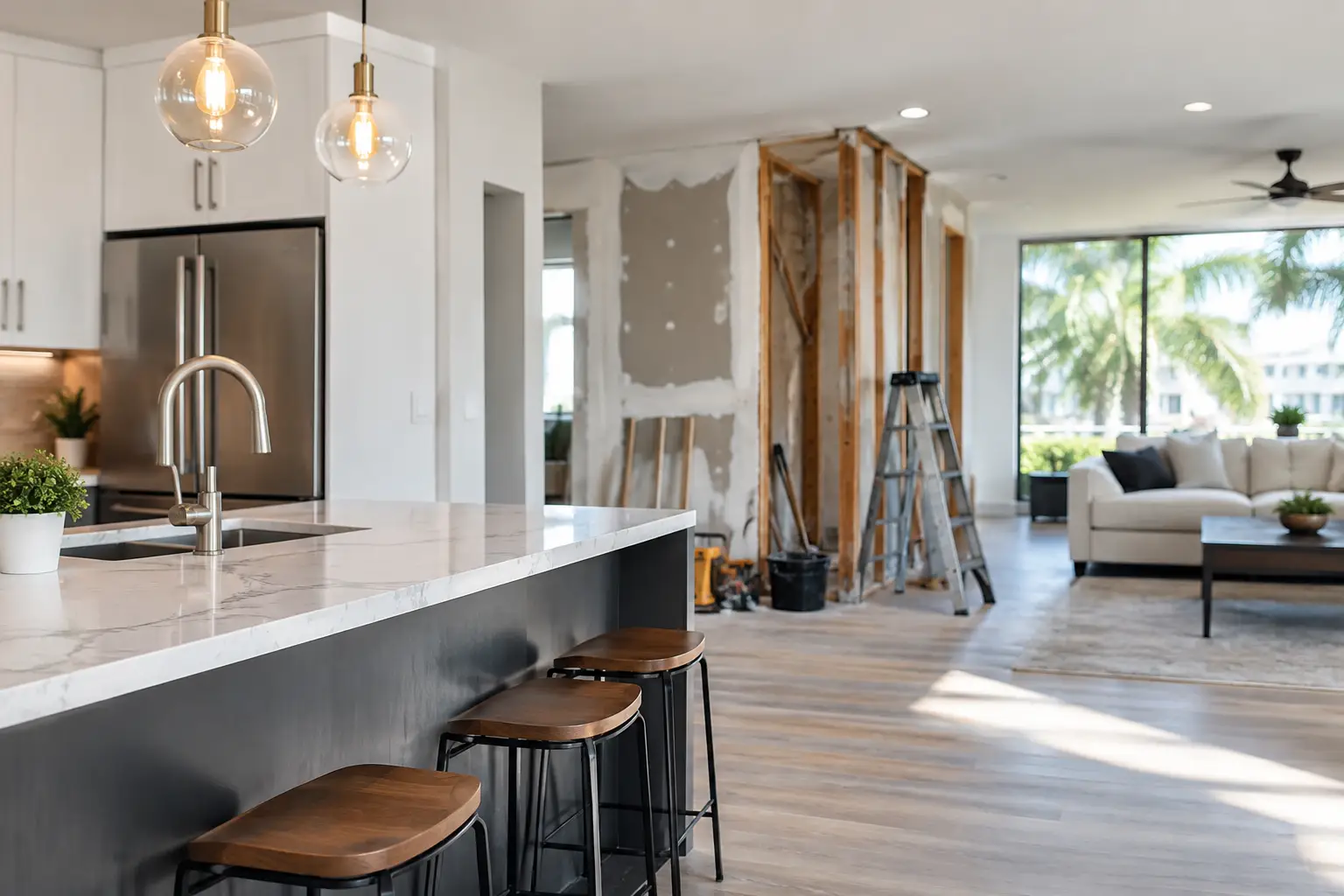
A vacant Miami rental loses money every day it sits unfinished, but rushing the work can create a different problem: repairs that look acceptable at move-in and fail before the next turnover. A well-planned rental property renovation Miami landlords and property managers can rely on is not about adding every possible upgrade. It is about making targeted improvements that protect the asset, support stronger leasing appeal, and hold up under regular use.
For a single condominium, a multi-unit building, or an investor portfolio, the right renovation plan balances appearance, durability, building requirements, and a realistic schedule. The goal is a clean, market-ready space that feels current without creating unnecessary maintenance costs later.
Start With the Rental Strategy, Not the Finish Selections
Before choosing tile, paint colors, or cabinet hardware, define the property’s role in your portfolio. A long-term rental, furnished corporate unit, vacation-oriented condo, and apartment community turnover do not need the same level of finish or the same budget allocation.
For a long-term rental, durable flooring, washable paint, practical kitchen storage, and dependable bathroom finishes often deliver more value than highly customized design features. In a unit competing for higher rents, a refreshed kitchen, modern lighting, coordinated fixtures, and spa-like bathroom finishes may help the property stand apart. The best choice depends on the rent range, neighborhood expectations, tenant profile, and condition of comparable available units.
This early decision prevents a common mistake: spending heavily in areas tenants may not value while overlooking items that affect daily living. A beautiful vanity will not solve poor lighting, damaged drywall, sticking doors, or worn flooring throughout the unit.
Build a Scope That Solves the Real Problems
A thorough walkthrough should separate cosmetic needs from functional repairs. Cosmetic work includes painting, baseboards, flooring, cabinet hardware, and updated light fixtures. Functional work may include water-damaged drywall, loose tile, failing caulk, deteriorated grout, damaged doors, or kitchen and bathroom components that no longer perform as intended.
In Miami, humidity and frequent occupant turnover can expose weak points quickly. Bathrooms, kitchens, laundry areas, and exterior-facing walls deserve particular attention. Signs of moisture should be evaluated before finishes are installed. Covering staining or soft drywall without addressing the source can lead to repeat repairs and a poor tenant experience.
A detailed written scope also makes pricing and scheduling clearer. It should identify what will be repaired, replaced, painted, refinished, or installed, along with the material allowances and any exclusions. This is especially helpful when owners are coordinating approvals from a property manager, condominium association, or investor partner.
Focus First on High-Impact Turnover Work
Not every vacancy requires a full remodel. In many cases, a focused turnover can improve the unit substantially: drywall repair and finishing, full interior painting, replacement flooring, fresh baseboards, updated fixtures, door adjustments, and a deep refresh of kitchen and bath surfaces.
These projects work best when the existing layout is functional and major systems do not require renovation. They can help return a unit to market efficiently while addressing the visible details that shape a prospect’s first impression.
A full renovation becomes more practical when several elements have reached the end of their useful life at once. For example, outdated cabinets, damaged flooring, aging bathrooms, recurring wall repairs, and mismatched finishes can make piecemeal work less efficient than a coordinated project.
Choose Materials for Tenant Use and South Florida Conditions
Rental finishes should look polished, but they also need to be easy to clean, replace, and maintain. This is where practical material decisions protect the property’s long-term return.
Porcelain tile remains a strong option for many Miami rental properties because it handles moisture well and offers a wide range of looks. Quality luxury vinyl plank can also be appropriate for certain interiors when the product, subfloor preparation, and installation conditions are right. The choice often comes down to the building, expected tenant use, desired appearance, and budget.
For walls, a consistent neutral color palette makes touch-ups and future turnovers easier. Higher-quality washable paint in high-traffic areas can reduce scuff-related repainting. In kitchens and bathrooms, select surfaces that tolerate regular cleaning and avoid overly delicate materials that may be difficult to repair after normal wear.
Cabinetry deserves a similar approach. Well-built, simple door styles with durable hardware tend to age better than trend-driven selections that are difficult to match later. If cabinets are structurally sound, refinishing or repainting may be a sensible alternative to replacement. If boxes, doors, or layout are failing, replacement may offer better value over multiple lease cycles.
Renovate Kitchens and Bathrooms With Leasing in Mind
Kitchens and bathrooms influence how renters judge the whole property. They do not always need expansive layouts or expensive features to make an impact. They need to feel clean, functional, bright, and coordinated.
In a rental kitchen, prioritize usable counter space, reliable storage, durable countertops, working drawers and doors, practical lighting, and a backsplash that is easy to maintain. Replacing worn cabinet pulls, updating a dated faucet, correcting damaged drywall, and installing a cohesive floor can change the room dramatically. When a larger kitchen renovation is justified, keep the design timeless enough to appeal to a broad tenant base.
Bathroom upgrades should begin with condition. Address loose tile, deteriorated grout, water-damaged finishes, failing caulk, and ventilation-related staining before adding decorative elements. A modern vanity, clear mirror lighting, clean tile lines, and well-chosen fixtures can create the calm, spa-like finish prospective tenants notice without turning the space into a fragile showpiece.
Plan Around Building Rules, Permits, and Access
Miami-Dade rentals often sit within condominium or managed residential communities, where renovation work may involve association applications, insurance documentation, elevator reservations, work-hour restrictions, parking rules, and debris procedures. These operational details can affect the schedule as much as the work itself.
Projects involving layout changes, plumbing, electrical work, or other regulated scopes may also have permit requirements. The exact path depends on the property, municipality, and project scope. Confirming requirements before work begins helps avoid delays, stop-work issues, or the need to revise completed work.
Good planning also includes access. Is the unit vacant? Are there tenant notices required? Can materials be staged safely? Is the building requesting floor protection or specific delivery times? A contractor who understands the sequence of interior work can organize these moving pieces so flooring, painting, cabinetry, trim, and punch-out work happen in the right order.
Protect the Budget With Clear Decisions Up Front
Renovation budgets are affected by more than square footage. Existing conditions behind walls, material lead times, building access, demolition needs, and owner change requests can all influence cost. The most reliable way to control spending is to make major decisions before construction starts and document the scope clearly.
Allowances can be useful when selections are not final, but they should be realistic. A low allowance may make an initial estimate look attractive while creating a surprise once the owner selects materials that fit the intended design. Ask which items are included, what preparation is anticipated, and how changes will be handled if hidden conditions are discovered.
It is also wise to reserve contingency funds for older properties or units with visible water damage, uneven surfaces, or prior unpermitted-looking repairs. That does not mean every project will encounter major surprises. It means the owner has a responsible plan if the walls reveal more than the initial walkthrough could show.
Finish With a Proper Punch-Out and Ready-to-Lease Standard
The final stage is where a renovated rental becomes a property ready for photographs, showings, and occupancy. A punch-out review should cover paint touch-ups, caulk lines, door operation, cabinet alignment, trim details, flooring transitions, outlet and switch plates, and general cleanup. Small details matter because prospects read them as signs of how the property has been maintained.
For property managers with several units, consistency can simplify future turnovers. Using repeatable paint colors, flooring selections, fixture families, and cabinet hardware reduces decision fatigue and makes replacement parts easier to source. It can also create a more recognizable standard across the portfolio.
JT Express Solutions helps Miami-Dade owners, investors, and property managers organize rental improvements from targeted turnover work to complete interior renovations. When you are ready to prepare a unit for its next tenant, request an estimate built around the property’s condition, leasing goals, and practical scope.