Townhouse Renovation Miami: Plan It Right
By JT Express Solutions ·
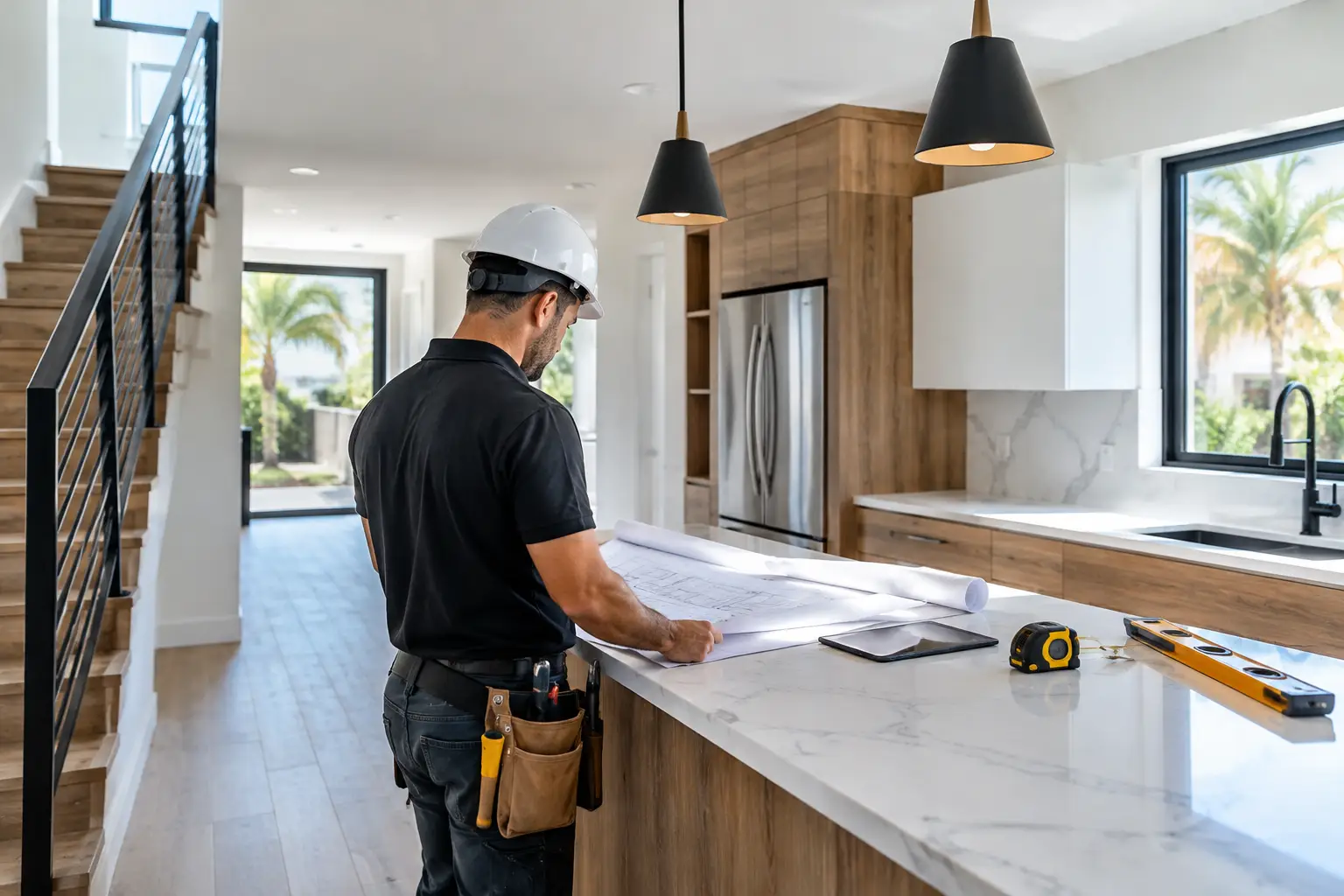
A townhouse renovation Miami owners are proud of is rarely just a matter of choosing tile and paint colors. These homes often share walls, parking areas, utility routes, and association rules with neighbors. Add South Florida humidity, concrete-block construction, and storm-season scheduling, and the best projects begin with a clear plan long before demolition starts.
For homeowners, landlords, and investors, the goal is usually the same: create an extraordinary living environment that looks refined, functions better, and holds up to daily use. The route to that result depends on the townhouse’s age, layout, building rules, and the condition hiding behind its finishes.
Start With the Limits of the Townhouse
Townhouses can look similar from the street while having very different renovation requirements. Some are fee-simple homes with more owner control. Others sit within an HOA community where exterior changes, work hours, contractor access, flooring materials, and debris removal all need advance approval.
Before finalizing a design, review the association documents and ask practical questions. Are there approved work hours? Is a certificate of insurance required from the contractor? Does the HOA require a refundable deposit for elevator, gate, or common-area protection? Can materials be staged in a driveway or garage? These details influence the schedule and the cost of labor.
Shared walls also call for more care than a detached home. Removing a wall, relocating plumbing, or changing electrical circuits may affect construction that is not visible in the room itself. A professional site visit helps determine whether a wall is structural, whether plumbing is accessible, and what work may need permits or approvals in Miami-Dade County.
Permitting is not a formality to leave until the end. Interior painting, flooring replacement, trim, and many cosmetic updates may have a straightforward path. Structural changes, electrical alterations, plumbing relocation, and major kitchen or bathroom work can require a more involved review. The exact timeline depends on scope, plans, municipal requirements, and any HOA process. Building those steps into the schedule prevents a beautiful design from sitting idle.
Design the Layout Before Selecting Finishes
The most expensive mistake in a townhouse renovation is buying finishes before solving the layout. A dramatic porcelain slab or custom vanity will not fix a kitchen with poor storage, a narrow circulation path, or a bathroom door that conflicts with the shower.
Start with how the home is actually used. A family may need a durable entry floor, concealed storage, and a kitchen that handles busy mornings. An investor may prioritize hard-wearing flooring, easy-to-maintain paint, and bathroom finishes that make a rental feel elevated without complicating future turnover. A homeowner planning to stay for years may choose custom cabinetry, layered lighting, and spa-like finishes that make the space feel personal.
Townhouses often benefit from visual continuity. Using the same flooring through the main living level can make a compact footprint feel larger. Extending cabinetry to the ceiling creates useful storage and a more tailored look. In a narrow kitchen, the right cabinet depth and appliance placement can recover inches that make the room easier to use.
That does not mean every surface must match. Bedrooms may call for warmer materials and softer acoustics, while bathrooms need finishes selected for moisture resistance and easy cleaning. The strongest designs balance a consistent overall palette with rooms that serve their own purpose.
Kitchens Need Clear Decisions Early
Kitchen renovations affect multiple trades, so cabinet layout should be settled before work begins. Moving a sink, range, or dishwasher can change plumbing, electrical, ventilation, and permit requirements. Keeping key utilities near their existing locations can control cost, but it is not always the right choice if the current layout wastes valuable space.
In Miami homes, cabinetry material and installation quality matter. Kitchens are exposed to heat, humidity, frequent cleaning, and the occasional leak. Durable cabinet boxes, properly installed hardware, moisture-conscious sink bases, and a backsplash that is fully finished behind countertop edges all contribute to a kitchen that stays sharp after the reveal.
Bathrooms Need Moisture Control, Not Just Style
A bathroom can look luxurious on day one and still fail early if moisture management is ignored. Proper substrate preparation, waterproofing in wet areas, correctly sloped shower floors, sealed penetrations, and grout and caulk details are foundational. Tile is a finish, not a waterproofing system.
For townhouse bathrooms, access can also shape the plan. Second-floor bathrooms may require careful material handling and protection of stairs, halls, and common areas. If a shower layout changes, confirm that the revised plumbing route is practical before purchasing fixtures. A floating vanity and frameless glass can create a lighter, more open look, but they should be selected around real wall conditions, not only a showroom image.
Materials That Work in South Florida
Miami’s climate has a way of exposing weak material choices. Humidity can affect wood products, drywall repairs, adhesives, and paint performance. A small plumbing leak behind a vanity or under a kitchen sink can become a much bigger repair if materials were not installed and sealed properly.
Porcelain tile remains a strong choice for many townhouse floors because it is durable, moisture-resistant, and available in finishes that range from understated stone looks to high-end large-format styles. Luxury vinyl plank can also make sense for certain interiors, especially where speed, comfort underfoot, and budget are priorities. The right choice depends on subfloor condition, desired look, HOA sound requirements, and how much direct moisture the area sees.
For walls and ceilings, repair and preparation matter as much as the final paint color. Cracks, uneven texture, old patchwork, and moisture staining should be addressed before painting. In a humid environment, a quality coating system applied to properly prepared drywall produces a cleaner and more durable result than rushing straight to color.
Baseboards, door casing, and trim are easy to overlook until they are missing. Updated trim can make a renovated townhouse feel complete, especially when flooring and wall finishes have changed. It also needs to be installed with the right attention to wall irregularities, transitions, and paint finishing.
Plan Around Access, Weather, and Occupancy
A renovation schedule is more than a list of trade dates. In a townhouse community, access and coordination can determine whether work moves steadily or loses days to avoidable delays. Material deliveries, dumpster placement, parking restrictions, gate access, and association work-hour rules should be discussed before the project starts.
Storm season deserves attention as well. Even interior renovations can be affected by heavy rain, delivery disruptions, and power interruptions. If exterior openings, windows, or doors are part of the approved scope, timing and temporary protection become especially important. Interior-only projects have fewer weather dependencies, but a realistic schedule still allows for inspections, product lead times, and unforeseen conditions behind walls or under flooring.
Occupied homes require another level of planning. Some homeowners choose to stay in place during phased work, especially when renovating one bathroom at a time or completing flooring room by room. That can be workable, but it typically extends the sequence and requires clear daily cleanup, dust-control, and access expectations. For rental turnovers, the priority may be getting the property clean, finished, and market-ready without sacrificing the details that prevent callbacks.
Where Renovation Budgets Usually Shift
A clear estimate should separate the visible finishes from the work required to install them correctly. Demolition, wall repairs, leveling, electrical updates, plumbing changes, waterproofing, cabinetry, tile labor, paint preparation, and disposal all affect the final investment.
The biggest budget shifts usually come from hidden conditions and late design changes. Old water damage, uneven slabs, aging plumbing, unplanned electrical needs, or a wall that cannot be removed as expected can alter scope. Changing tile after installation has started or relocating fixtures after rough-in creates the same problem. Allowing a sensible contingency is not pessimism. It is how a project stays organized when an older home reveals something unexpected.
Value does not always mean choosing the least expensive finish. It means matching materials and labor to the property’s use. A primary residence may justify custom details that create a true masterpiece. A rental or investment townhouse may benefit more from durable, attractive finishes that are easy to replace and maintain between tenants.
A Better Way to Move From Idea to Construction
Bring inspiration photos, measurements if available, and a short list of priorities to the first consultation. Be honest about whether the project is a personal home, a resale update, or a rental improvement. Those goals shape recommendations on layout, materials, and where to invest.
JT Express Solutions helps Miami-Dade clients organize interior remodeling projects around real site conditions, clear scopes, and design-conscious finishes. The most successful townhouse projects are not rushed into demolition. They are planned around approvals, access, moisture protection, and the details that make the finished space feel intentional. Request an estimate when you are ready to turn your townhouse into a more polished, practical place to live or lease.