Spray Knockdown Finish Miami for Smooth Walls
By JT Express Solutions ·
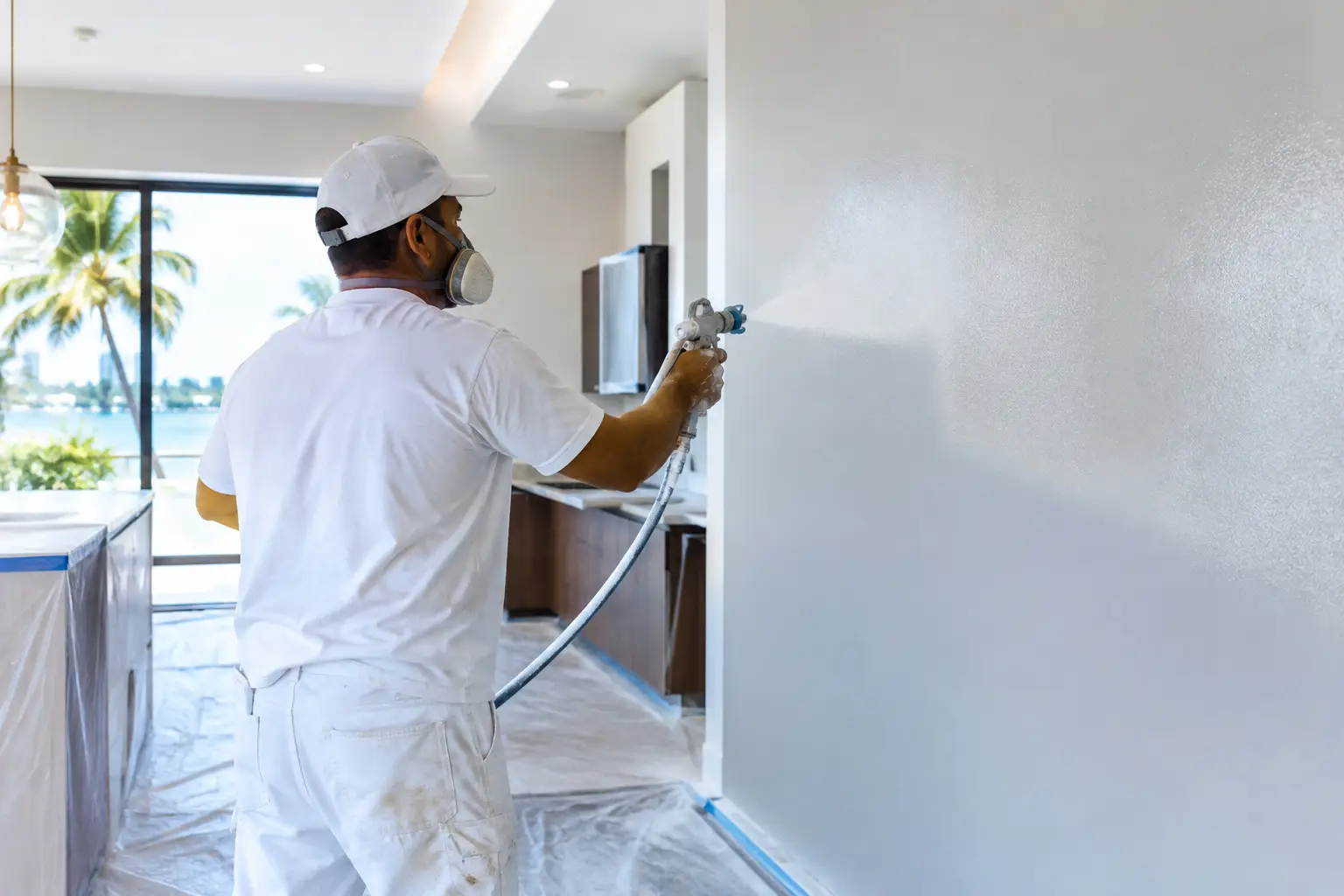
A wall can be perfectly drywalled and still look unfinished under Miami light. Afternoon sun through a sliding door, recessed lighting, and glossy paint all expose small seams, patches, and uneven texture. A spray knockdown finish Miami property owners choose can soften those visual distractions while giving rooms a clean, updated look that fits condos, single-family homes, rentals, and commercial interiors.
Knockdown is not a shortcut for poor drywall work. When it is done well, it is a controlled finish built on properly prepared walls, repaired joints, and the right texture pattern for the room. When it is rushed, it can look heavy, inconsistent, or impossible to blend after a repair. The difference is in the prep, the timing, and the person applying it.
What a Spray Knockdown Finish Actually Is
Spray knockdown starts with a thin layer of drywall joint compound or texture material applied in a fine, scattered pattern. After the material begins to set, the applicator lightly drags a broad knockdown knife across the surface. That flattens the peaks while leaving a subtle, irregular texture behind.
The final result is softer than popcorn texture and more forgiving than a perfectly smooth Level 5 wall finish. It has enough movement to hide minor surface variation, but it should not feel rough, sharp, or visually busy. In most interiors, the goal is a low-profile pattern that looks intentional after primer and paint.
For Miami-Dade homes, this finish is especially useful where wall repairs are common: after electrical updates, plumbing access, tenant turnover work, water-related drywall replacement once the source has been corrected, or removal of dated textures. It can also help create consistency when an addition, remodeled kitchen, or renovated bathroom meets older areas of the home.
Where Knockdown Looks Best
A light spray knockdown finish works well in living rooms, hallways, bedrooms, stairwells, and ceilings. It is a practical choice for rental properties and apartment turnovers because it can make everyday wall wear less noticeable than a completely smooth painted surface.
It also works well in open-concept interiors, provided the texture remains consistent. A living room with a light knockdown ceiling and walls can feel polished and relaxed, especially with warm white paint, modern baseboards, and clean trim details. In a high-end renovation, the texture should support the design rather than become the focal point.
There are places where another finish may be the better call. If a client wants dramatic wallcovering, highly reflective paint, or a gallery-like contemporary interior, smooth drywall may better suit the vision. Knockdown can interfere with the crisp look of certain wallpapers and makes glossy paint less forgiving. The right choice depends on lighting, design direction, existing finishes, and how much wall repair is required.
Bathrooms and moisture-prone areas
Texture itself is not a moisture solution. In bathrooms, laundry rooms, and other humid areas, the wall assembly must be sound before any finish is applied. That means addressing active leaks, damaged drywall, failed caulk, or poor ventilation conditions first. Applying texture over compromised drywall may improve the appearance briefly, but it does not correct the underlying issue.
For a bathroom remodel, a light knockdown finish can be appropriate on walls outside the wet zone when paired with quality primer and suitable paint. Shower walls and other direct water-exposure areas need materials designed for that use, not standard textured drywall.
The Preparation Determines the Result
The spray portion is fast. The preparation is where a professional finish earns its value. Before texture is applied, the walls need to be inspected for loose paint, damaged paper facing, cracks, old patchwork, and uneven transitions around doors, windows, outlets, and ceiling lines.
A proper scope may include protecting floors and furnishings, removing or masking switch plates and fixtures, repairing drywall, taping and mudding seams, sanding repaired areas, and spot-priming where needed. In occupied homes, containment matters. Fine drywall dust travels easily, and spray texture can land where it is not wanted without disciplined masking.
Concrete-block construction adds another consideration in South Florida. Interior walls may have furring, drywall over masonry, or a mix of materials from past renovations. Cracks, moisture staining, and uneven wall planes should be evaluated before texture is used to blend the surface. A texture can reduce the visibility of small imperfections, but it cannot stabilize a moving crack or correct an active moisture problem.
Matching Existing Spray Knockdown Finish in Miami
Matching an existing wall is often harder than finishing a new room. Texture has variables: the compound consistency, spray pressure, nozzle size, distance from the wall, drying conditions, knockdown timing, blade angle, and paint sheen. Even skilled work can look different if the existing texture is unusually heavy, painted many times, or patched in several eras.
The best repair process begins with a test area. The installer can adjust the pattern before applying it across the repaired section. After the texture dries, primer and paint are used to bring the repair into the surrounding surface. In many cases, painting the full wall from corner to corner produces a more uniform result than touching up only the patch.
Ceilings require even more care. Light rakes across a ceiling surface, especially near windows and recessed lights. A small mismatch can stand out from below, so ceiling repairs may call for a wider blend area or refinishing the entire ceiling plane. That is not unnecessary upselling. It is often the realistic path to a finished appearance that does not announce where the repair occurred.
Cost Drivers for a Knockdown Texture Project
A spray knockdown estimate is based on more than square footage. A vacant, open room with bare drywall is straightforward. A furnished condo with high ceilings, wall-mounted televisions, detailed trim, and selective repairs requires more protection, labor, and coordination.
The main cost drivers are the condition of the existing walls, the amount of drywall repair, access and ceiling height, furniture protection, texture removal, primer and paint requirements, and whether the project involves one repaired area or a whole-home finish. For condos, elevator reservations, work-hour restrictions, insurance documentation, and association approval procedures can also affect scheduling.
Miami-Dade permit requirements vary by project scope. Cosmetic texture and painting work may be handled differently from renovations that include structural changes, plumbing, electrical work, or substantial drywall replacement. A clear walkthrough helps define the work accurately and avoids treating a larger remodel like a simple paint job.
Choosing the Right Texture Level
Most clients benefit from a light or medium knockdown pattern. Light knockdown gives a refined, contemporary surface and works well with upscale interior paint colors. Medium knockdown can better disguise uneven older walls or extensive repair history. Heavy texture is usually best reserved for situations where it already exists and needs to be matched.
Paint selection changes the final look. Flat ceiling paint is common because it reduces glare. On walls, eggshell or satin can be practical for households and rentals, though higher sheen will reveal more surface variation. Dark colors and strong side lighting deserve extra attention because they can expose flaws that disappear under soft white paint.
If you are renovating for resale or preparing a rental, consistency usually matters more than making every wall perfectly smooth. A clean, even knockdown finish with fresh paint, repaired baseboards, and orderly trim can make an ordinary interior feel cared for and ready for the next chapter.
A Better Way to Plan the Work
Before approving a finish, walk the space at different times of day. Look at the walls with window light, overhead lights, and the lights you actually use in the evening. Point out old repairs, cracks, stains, and areas where furniture will remain. Those details shape the scope more than a quick square-foot estimate ever can.
JT Express Solutions can assess drywall condition, texture matching needs, painting requirements, and access considerations for interior projects in Miami-Dade County. For selected South Florida finishing and turnover work, the appropriate scope can be reviewed before scheduling.
The best knockdown finish is one you stop noticing. It lets the room's flooring, cabinetry, trim, lighting, and furnishings take center stage while the walls quietly look clean, balanced, and ready to live with.