Ceiling Repair Miami That Actually Lasts
By JT Express Solutions ·
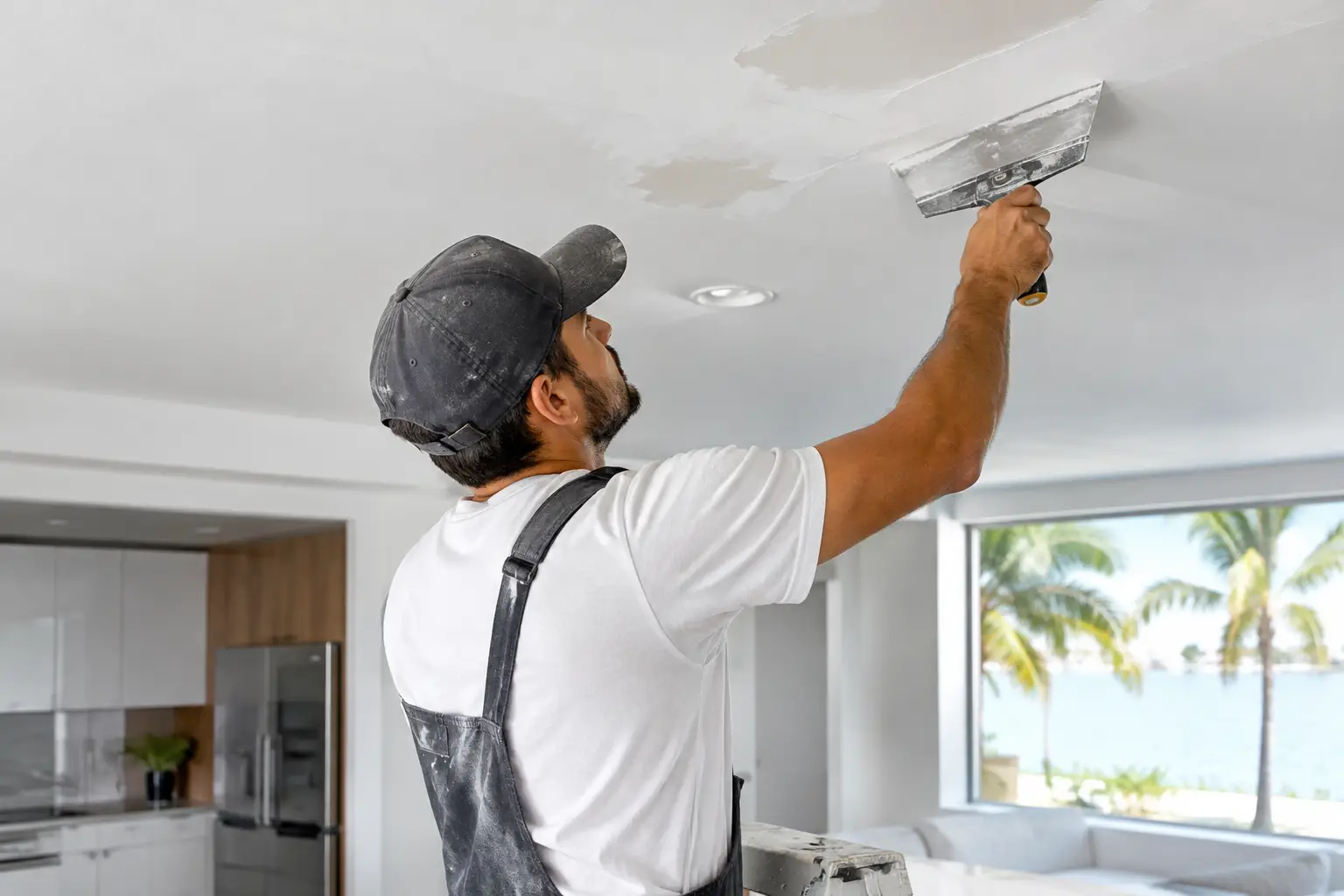
A brown ring above the dining table is rarely just a paint problem. In Miami, a stained, soft, cracked, or sagging ceiling can point to moisture trapped above the drywall, a plumbing leak, an air-conditioning drain issue, or storm-related water intrusion. Effective ceiling repair Miami homeowners can rely on starts by finding out why the damage appeared - then rebuilding the surface correctly.
A ceiling can look clean for a few weeks after a quick patch and fresh paint. If the moisture source is still active or the drywall was not dried and secured properly, the stain, crack, or sag often returns. For homeowners, landlords, and property managers, that means a small visible issue can become a larger turnover, tenant, or interior remodeling problem if it is ignored.
Why Miami Ceilings Need a Different Repair Approach
South Florida humidity changes how interior damage should be evaluated. Drywall can absorb moisture, joint compound can soften, and enclosed cavities may take longer to dry than they appear to from the room below. During storm season, even minor water entry can leave a ceiling stain far from the actual point of intrusion.
Many Miami-Dade homes also combine concrete-block exterior construction with drywall ceilings, soffits, furdowns, and framed interior partitions. A crack at a drywall joint is not automatically structural, but it should not be dismissed without looking at its pattern, width, location, and whether it keeps reopening. Straight hairline cracks near seams may be a finishing issue. A broad crack, a bowed section, or a ceiling that feels soft calls for a closer inspection.
In condominiums, the first question may be ownership and responsibility. Water can originate from an upstairs unit, a common plumbing line, a roof system, or an in-unit fixture. Building management and HOA procedures can affect access, documentation, work hours, elevator reservations, insurance communication, and approval of interior repairs. Addressing those details early keeps an otherwise straightforward repair organized.
Start With the Cause, Not the Stain
The right sequence is simple: stop the water, assess the material, dry the affected area, and then repair the ceiling. Skipping any part of that sequence risks covering up an unresolved problem.
A contractor should look for signs beyond the obvious stain. These include bubbling paint, loose tape at drywall seams, a musty odor, discoloration around recessed lights, rusted fasteners, damp insulation, or a ceiling plane that has started to dip. If water has affected electrical fixtures, the area should be handled carefully and the appropriate electrical professional may need to be involved before interior finishes are restored.
Not every stain requires removing an entire ceiling. If the drywall is dry, firm, and sound, localized preparation and stain-blocking primer may be enough. But drywall that has swollen, softened, crumbled, or pulled away from its fasteners should generally be removed and replaced. The goal is not to create more demolition than necessary. It is to remove compromised material so the new finish has a stable base.
For rental properties and apartment turnovers, documentation matters as much as appearance. Clear photos of the affected area, the suspected source, the repair scope, and the completed finish help owners and managers track recurring conditions and communicate with residents or associations.
What Proper Ceiling Repair Miami Work Includes
The scope depends on the cause and extent of the damage, but a quality repair usually has several connected stages. First comes protection of the room. Flooring, furniture, cabinets, and nearby finishes should be covered before cutting or sanding begins. Dust control matters in occupied homes, furnished condos, and commercial interiors where the space may need to stay operational.
The damaged drywall is then removed only as needed. The opening may be expanded beyond the visible stain to reach solid material and inspect the cavity. If framing or backing needs attention, it is addressed before new drywall is installed. A patch without adequate backing can move over time and create a visible seam.
After fitting new drywall, the joints are taped and finished in multiple coats. This is where ceiling repairs often succeed or fail visually. A patch may be technically closed but still show as a raised rectangle when light crosses the ceiling. Proper feathering extends the finish beyond the patch so it blends with the existing plane. Once dry and sanded, the repaired area receives primer and paint matched as closely as practical to the surrounding ceiling.
Texture adds another layer of judgment. Smooth ceilings require careful blending because imperfections are easy to see, especially under recessed lighting or in rooms with large windows. Orange peel, knockdown, and other textures can be matched, but age, prior paint coats, and application style affect how invisible the final result will be. In some cases, painting the full ceiling plane produces a more consistent result than spot painting alone.
When a Patch Is Enough - and When It Is Not
A small plumbing-access opening, a limited water stain with sound drywall, or a minor seam crack may be resolved with a localized repair. This is often the most efficient approach for a well-maintained property.
A larger repair may make more sense when the ceiling has repeated water damage, multiple failing seams, widespread peeling paint, or texture that cannot be blended convincingly. If a room is already part of a bathroom remodel, kitchen update, or unit turnover, treating the entire ceiling can create a cleaner finish and avoid a patchwork appearance.
The trade-off is cost versus long-term appearance. A smaller repair reduces immediate work, but it can leave slight color or texture variation. Replacing or refinishing a broader section costs more and requires more preparation, yet it can deliver the polished look expected in a primary residence, luxury rental, or client-facing commercial space.
Cost Drivers to Expect Before Requesting an Estimate
Ceiling repair pricing is based on access and conditions, not just the size of a stain. A small patch in an empty room is very different from a repair above custom cabinetry, in a high foyer, or inside an occupied condo with restricted work hours.
The main cost drivers are the cause of damage, the amount of drywall that must be removed, ceiling height, access above the ceiling, drying requirements, texture matching, painting scope, and protection of surrounding finishes. Condo requirements can also affect scheduling and logistics. If the repair is tied to a broader interior improvement project, combining work may be more efficient than arranging separate visits for drywall, paint, trim, and punch-out items.
Be cautious with estimates based only on a photo when water damage is involved. Photos are useful for an initial conversation, but the condition behind the drywall may not be visible until the area is inspected. A clear estimate should explain what is included, what condition assumptions are being made, and what may require adjustment if concealed damage is found.
Timing Repairs Around Storm Season and Building Rules
If a ceiling stain appears during heavy rain, do not wait for the stain to become dramatic. Take photos, note the weather or fixture use associated with the issue, and notify the appropriate party if the home is part of an association. Early action can limit the area that needs replacement.
For planned work in Miami-Dade, allow time for condominium approvals, insurance documentation requests, building access rules, and any permits that may apply to the project scope. Cosmetic drywall and paint repairs are not the same as work involving plumbing, electrical systems, or significant alterations. A professional contractor can help define the interior repair scope and coordinate the work responsibly rather than treating every ceiling issue as a simple paint touch-up.
JT Express Solutions provides practical interior repair and finishing support for Miami-Dade properties, from isolated drywall damage to larger remodeling, turnover, and punch-out scopes. The objective is a ceiling that looks refined, feels solid, and fits the rest of the room - not a temporary cover-up that distracts from an otherwise extraordinary living environment.
If you have a ceiling stain, crack, sagging area, or unfinished repair, request an estimate while the condition is still manageable. A clear assessment now can protect the finish, the timeline, and the value of the space you are maintaining.