12 Living Room Accent Wall Ideas That Feel Finished
By JT Express Solutions ·
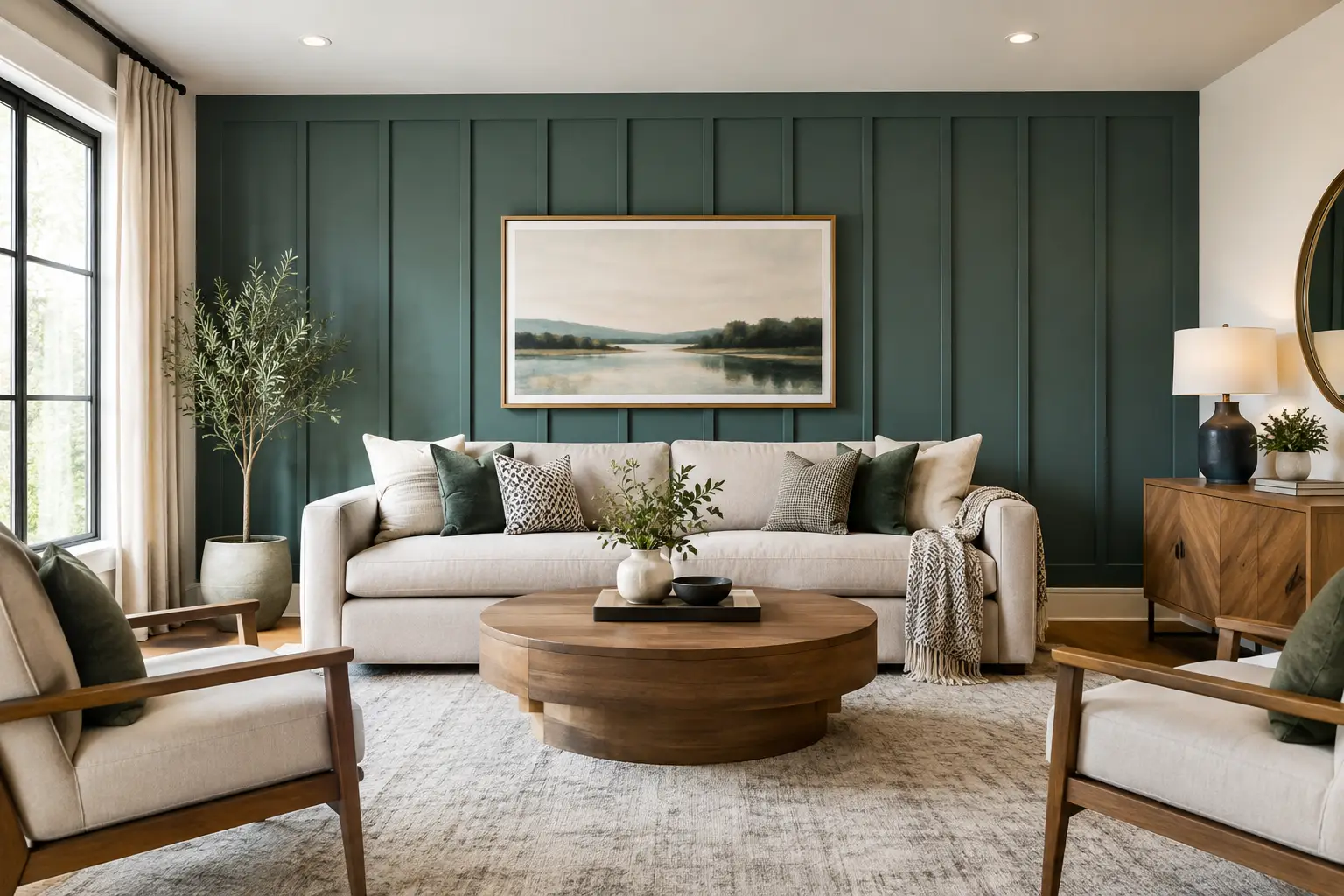
A well-planned accent wall can change how a living room feels before any furniture is moved. The best living room accent wall ideas create a focal point, add architectural interest, and make the entire room feel more intentional - without competing with the space’s natural light, flooring, or layout. For Miami homes, condos, and rental properties, the right choice also needs to suit humidity, sun exposure, and the level of maintenance the property requires.
An accent wall does not need to be loud to make an impact. Often, the strongest result comes from selecting one material, color, or finish that gives the room depth while supporting everything around it. The key is choosing a wall that deserves attention and a treatment that fits the way the property is actually used.
How to Choose a Living Room Accent Wall
Start with the wall your eye lands on first when entering the room. In many homes, this is the wall behind the sofa, the wall facing the seating area, or the location planned for a television and media cabinet. A fireplace wall can also work beautifully, although the material selection should be coordinated carefully with surrounding finishes.
Scale matters. A dark color or detailed wall treatment may make a large, open living room feel grounded, but it can overwhelm a smaller apartment if it is paired with limited lighting and dark furnishings. Before selecting materials, consider ceiling height, window placement, existing floor color, and whether the wall will need to accommodate outlets, televisions, shelving, or artwork.
For South Florida properties, durable finishes are especially valuable. Condos with strong afternoon light may benefit from paint with a low-sheen, washable finish. Rental units and high-traffic homes often need wall treatments that can be repaired or touched up without replacing an entire installation.
12 Living Room Accent Wall Ideas for a Polished Space
1. Deep, saturated paint
A painted accent wall remains one of the most effective choices because it delivers a noticeable transformation with minimal disruption. Navy, charcoal, olive, warm terracotta, and muted black can all add dimension when balanced with light flooring and furnishings. In bright Miami interiors, deeper colors often read crisp rather than heavy because natural light keeps the room from feeling closed in.
The paint sheen matters as much as the color. Matte or eggshell finishes tend to look refined on feature walls, while a washable finish may be the better practical choice for active households and rental properties.
2. Warm neutral paint with contrast
An accent wall does not have to be dramatically darker than the other walls. A warm taupe, mushroom, clay, or soft greige can bring definition to a white or pale-gray living room without making it feel smaller. This approach works particularly well in condos where a calm, cohesive palette supports an open floor plan.
Use contrast through undertones rather than intensity. A subtle color shift can make the space look professionally designed while remaining flexible for future furniture changes.
3. Vertical wood slats
Wood slat walls introduce texture and a tailored architectural look. Vertical lines can make standard-height ceilings appear taller, which is useful in apartments and living rooms with limited square footage. Natural oak tones work well with coastal and contemporary interiors, while darker walnut-inspired finishes can create a more dramatic media wall.
Placement and proportion are critical. A full wall installation makes a strong statement, while a centered panel behind a television or sofa can provide a cleaner, more budget-conscious result. A contractor can also coordinate outlet extensions and cable management so the finished wall looks organized rather than interrupted by visible cords.
4. Painted board-and-batten paneling
Board-and-batten creates depth without relying on a bold color. The design can be traditional, transitional, or modern depending on the width of the battens and the paint color selected. For a contemporary look, use simple rectangular or square grids painted in one consistent tone.
This is a smart option for a wall with minor surface imperfections because the new finish visually redirects attention. Proper wall preparation still matters. Drywall repairs, level layout lines, clean caulking, and precise paint work are what make paneling feel like a finished design feature rather than an afterthought.
5. Picture-frame molding
Picture-frame molding is a quieter alternative to board-and-batten. It brings elegance to formal living rooms, entry-adjacent spaces, and properties with existing trim details. Keeping the molding and wall in the same color produces a soft, sculptural effect. Painting the inset areas a complementary shade creates more contrast.
This treatment works best on walls that are relatively open. If the wall already holds large artwork, tall bookcases, and a television, simpler paneling or a painted finish may offer a better visual balance.
6. Textured plaster-style finishes
A plaster-style accent wall can make a modern room feel warmer and more layered. Limewash-inspired, Venetian plaster-style, and soft mineral finishes add movement that changes with the light throughout the day. These finishes are especially attractive in spaces built around neutral furnishings, stone-look flooring, or natural wood.
They require thoughtful sample testing. Color and texture can look quite different under warm evening lamps than under direct daylight. The goal is a controlled variation, not a finish that appears uneven because of inconsistent application.
7. Stone-look or porcelain slab features
Large-format porcelain slabs and stone-look panels can create an elevated focal point behind a television, fireplace, or built-in cabinetry. Porcelain is often a practical choice because it offers the visual character of natural stone with straightforward maintenance. It also works well when the desired look is clean and contemporary rather than rustic.
This idea has more installation requirements than paint or trim. Wall condition, panel weight, layout, edges, and outlet placement must all be planned before work begins. A well-executed slab wall can become the anchor of the room, but it needs precise finishing to look its best.
8. Brick veneer in a controlled palette
Thin brick veneer can add texture and history to a newer home or apartment. Whitewashed brick feels light and casual, while a medium red or brown brick can suit industrial and transitional interiors. The right mortar color has a major effect on the final appearance, so it should be selected alongside the brick rather than treated as a minor detail.
In humid climates, appropriate material selection and professional installation help protect the wall assembly. Brick veneer also adds visual texture, so keep nearby finishes simple enough that the room does not feel overly busy.
9. Wallpaper with an architectural pattern
Wallpaper is useful when the room needs pattern more than physical depth. Grasscloth-inspired textures, understated geometric prints, murals, and botanical designs can create a memorable setting behind a sofa or reading chair. It is a strong option for a smaller wall where an entire room of pattern would feel excessive.
Choose a pattern that supports the room’s scale. Large, high-contrast designs tend to work best on broad walls with limited competing decor. In rental or turnover situations, paint may be the more adaptable long-term choice.
10. A built-in media wall
A media wall combines function and style by integrating the television, storage, lighting, and display niches into one organized feature. It can include lower cabinets for equipment and clutter, open shelving for books or decor, and a finished backdrop in paint, paneling, or slab material.
The best designs plan for the practical details first: television height, ventilation for equipment, outlets, wiring access, and room circulation. This is particularly valuable in living rooms where the television is central to daily use but homeowners do not want it to dominate the design.
11. Floating shelves with a painted backdrop
For a lighter alternative to full built-ins, floating shelves can create a composed accent wall without closing off the room. Paint the wall behind the shelves in a contrasting color, then keep styling intentional with a limited mix of books, ceramics, framed pieces, and greenery.
This solution is versatile, but the shelves must be properly anchored for the wall type and intended load. It also needs restraint. Overfilling every shelf can quickly turn an attractive focal point into visual clutter.
12. Two-tone paint with a clean transition
A two-tone wall can define a seating area with simple materials. The division can be horizontal, vertical, or shaped around an architectural detail. A lower darker shade with a lighter upper wall is a classic approach, while a centered painted block behind a sofa can provide a modern graphic effect.
Crisp layout is the difference between intentional and uneven. Clean lines, careful masking, and thoughtful alignment with furniture heights make this economical option feel designed rather than temporary.
Avoiding Common Accent Wall Mistakes
The most common mistake is selecting a feature before considering the rest of the room. An accent wall should coordinate with the flooring, baseboards, window treatments, and furniture plan. If multiple strong elements already compete for attention - patterned tile, a large sectional, bold artwork, and dark cabinets - a subtle painted or molded wall is usually the better choice.
Another issue is poor surface preparation. Cracks, uneven drywall, old patching, and nail pops become more visible once a dark paint color or directional paneling is installed. Addressing drywall repair and finish quality first protects the appearance of the completed wall.
Finally, do not treat lighting as an afterthought. Wall texture, deep paint colors, and shelving all change under different lighting conditions. Test samples in the room at different times of day, then consider whether recessed lighting, sconces, or lamps will support the final look.
Make the Feature Wall Fit the Whole Room
The most successful living room accent walls feel connected to the home rather than borrowed from a photo. A dark painted wall may echo kitchen cabinetry. Wood slats may relate to flooring or furniture tones. Decorative molding may continue trim details already present in the hallway or dining area. Those repeated elements are what make an interior feel composed.
For homeowners, landlords, and property managers planning a living room update in Miami-Dade County, JT Express Solutions can help assess wall conditions, coordinate drywall and painting work, install trim or finishing details, and create a clear scope for the project. A thoughtful estimate and material plan can turn one wall into the detail that makes the entire room feel finished.