Painting Contractor Miami: What Quality Looks Like
By JT Express Solutions ·
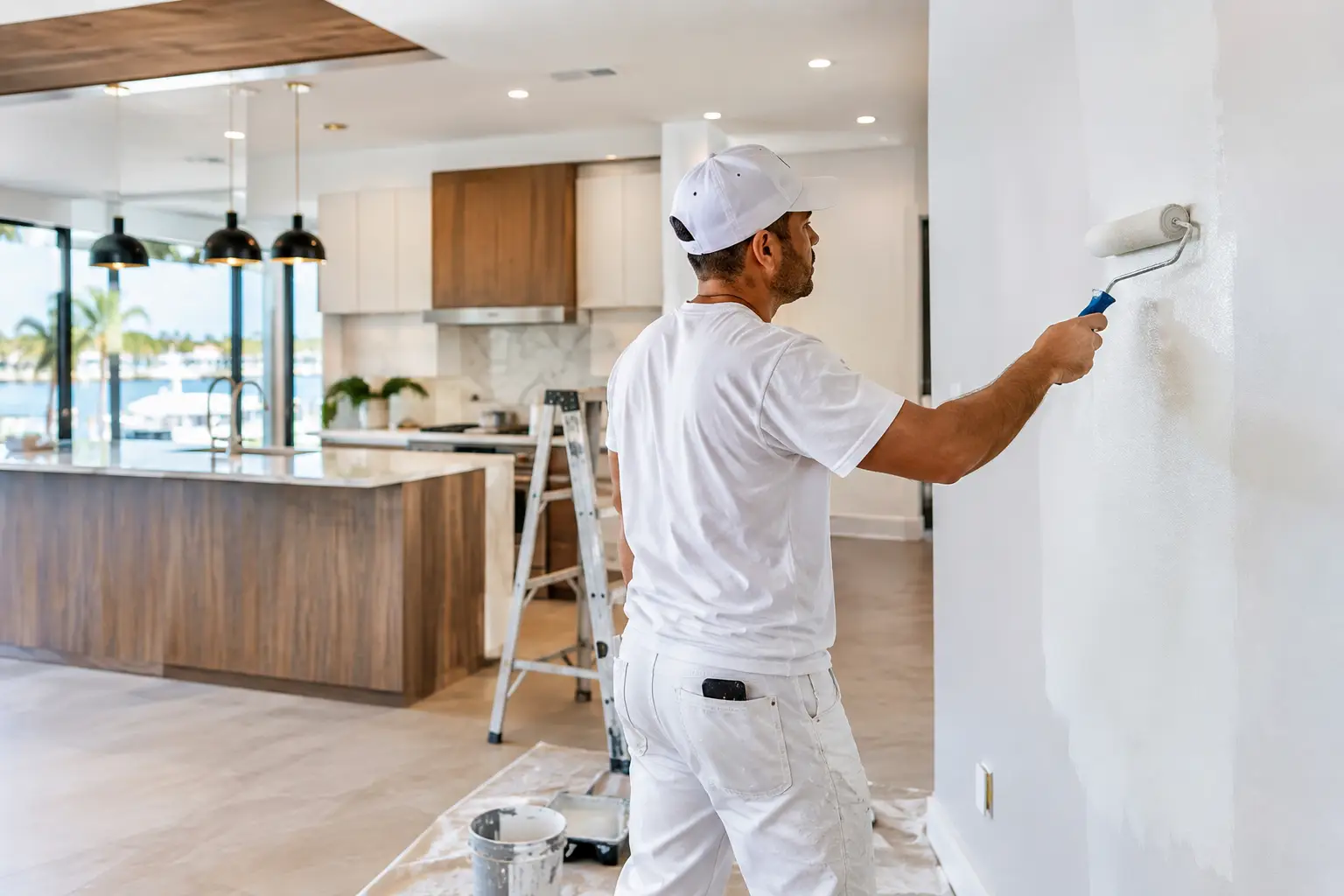
A painting contractor Miami property owners hire should do more than arrive with rollers and a color deck. In South Florida, a clean-looking paint job depends on what happens before the first coat: checking for moisture, repairing drywall correctly, protecting floors and furnishings, and selecting finishes that can handle daily humidity, cleaning, and bright natural light.
For a condo refresh, rental turnover, occupied home, or commercial interior, paint is often the detail that makes the entire space feel finished. It can sharpen modern trim, make a remodeled kitchen feel intentional, and give a bathroom or primary suite the polished, spa-like finish clients want. But it only performs as well as the preparation underneath it.
What a Miami Painting Contractor Should Assess First
Miami interiors bring a few conditions that deserve attention before color selection begins. Concrete-block walls can hold or transfer moisture. Older apartments may have patched areas, prior water staining, hairline cracks, or uneven texture. Condensation around windows, plumbing leaks behind a vanity, and a recently repaired roof or exterior opening can all leave problems that paint should not be asked to hide.
A professional walkthrough should identify peeling paint, soft drywall, staining, mold-like discoloration, loose joint tape, and areas where the wall is not flat enough for the finish being requested. The right next step may be a small repair and primer. In other cases, the source of moisture needs to be corrected before interior painting starts. Applying premium paint over an active moisture issue may improve the room for a short time, but it does not solve the underlying condition.
Surface type also changes the scope. Smooth drywall, orange-peel texture, plaster repairs, exposed concrete, painted masonry, doors, baseboards, and crown molding each need different preparation and products. A flat wall finish can be elegant in a low-traffic living room, while washable eggshell or satin is often more practical for hallways, rentals, kitchens, and family spaces. Semi-gloss is commonly used on trim because it stands up to cleaning, though an overly shiny trim color can reveal imperfections if the surface has not been properly sanded and caulked.
Preparation Is Where the Finish Is Won or Lost
The visible painting stage moves quickly. Prep is the work that separates a temporary cosmetic cover-up from an interior that looks crisp under daylight and remains presentable after normal use.
A well-managed scope typically starts with protecting adjacent surfaces, moving or covering furniture as agreed, and masking floors, cabinets, fixtures, and hardware. Walls are cleaned where needed, loose paint is removed, cracks are addressed, and damaged drywall is repaired. Nail holes and dents receive compound, followed by sanding and spot priming. Gaps at trim, baseboards, and casings may need paintable caulk for a more finished line.
For drywall repairs, matching the existing texture matters as much as filling the opening. A repair that looks acceptable at night can stand out in Miami's intense afternoon light if the texture or sheen does not match the surrounding wall. That is why sample areas, proper sanding, and primer are worth discussing before a large room is painted.
Primer is not automatically required on every surface, but it has a clear role when covering repairs, stains, bare drywall, major color changes, or walls with inconsistent porosity. Stain-blocking primer may be appropriate after a verified and resolved water issue. The correct product depends on the condition of the surface, not simply the paint color chosen.
Choosing Paint Colors and Finishes for Real Life
Color is personal, but lighting should guide the decision. A warm white can soften a room with gray tile and concrete finishes. A clean neutral can make a rental unit feel brighter and easier to market. Deep blue, charcoal, or emerald accent walls can add character, but they demand straighter repairs and more careful coverage than soft neutrals.
Before committing, view larger samples on more than one wall. Miami sunlight changes throughout the day, and a color that feels calm in a showroom can read too yellow, blue, or stark against existing flooring and cabinetry. For occupied homes, it is smart to consider how the color works with artwork, window treatments, and the transition into nearby rooms rather than judging it in isolation.
Sheen deserves the same attention. Flat finishes minimize minor wall imperfections but can be harder to clean. Matte and eggshell finishes offer a refined look with more practicality in many living areas. Satin is a strong option for high-touch walls, while bathrooms and kitchens need coatings suited to humidity and routine cleaning. The best choice depends on traffic, wall condition, desired appearance, and whether the property is owner-occupied or prepared for tenants.
Condo Rules, Access, and Scheduling Matter
For many Miami-Dade condo owners, the paint itself is simple. Building operations are the more important part of the job. Associations may require a certificate of insurance, contractor registration, elevator reservations, work-hour restrictions, protective measures in common areas, or approval before work begins. Some buildings limit noisy prep work or require coordination with management for material deliveries.
A painting contractor should ask about these requirements early, especially when drywall repair, trim replacement, or other interior improvements are part of the scope. Waiting until the crew is ready to begin can create avoidable delays. If a project includes more extensive remodeling work, permit requirements and approval timelines may also affect the schedule. The exact process depends on the property, municipality, and scope of work.
Occupied homes require a different plan than vacant apartments. In a lived-in space, work may be phased room by room so residents can continue using key areas. In a turnover, speed matters, but rushing past patching, cleaning, and dry time can create callbacks. A realistic schedule should account for the number of coats, repair complexity, ventilation, furniture movement, and the condition of the walls.
Questions to Ask Before You Approve a Painting Scope
A clear estimate should explain what areas are included and what is not. “Paint the interior” can mean very different things depending on whether ceilings, closets, doors, trim, baseboards, cabinets, repairs, or accent walls are included. It should also clarify who supplies paint, the expected finish level, and how changes discovered after preparation will be handled.
Ask how surfaces will be protected, whether repairs are included by quantity or billed after inspection, and how the crew will manage dust from sanding. For a rental or apartment community, ask how punch-out items will be documented and whether work can be coordinated around unit access. For commercial interiors, confirm the plan for keeping pathways, customer areas, and work zones organized.
Price is a valid consideration, but the lowest number often leaves out the labor-intensive parts of the job. Extensive patching, skim coating, tall ceilings, dark-to-light color changes, detailed trim, occupied-space protection, and condominium access requirements all affect cost. A transparent estimate helps you compare scopes fairly instead of comparing a complete proposal with a basic coat of paint.
When Painting Should Be Paired With Interior Repairs
Painting is often the final stage of a larger improvement. Replacing worn baseboards before painting can give a room a cleaner architectural line. Repairing damaged drywall, correcting uneven transitions, refreshing interior doors, or updating trim can make a modest property feel substantially more polished without taking on a full renovation.
For landlords and investors, coordinating these items together can reduce vacancy time and prevent one trade from damaging another's finished work. For homeowners, it creates a more cohesive result: walls, baseboards, repaired ceilings, and new flooring meet cleanly instead of looking like separate projects completed months apart.
JT Express Solutions works with Miami-Dade homeowners, property managers, investors, and commercial clients on interior painting, drywall finishing, turnover work, and related interior improvements. The goal is not to oversell a paint job. It is to define the condition of the space, prepare it correctly, and deliver a finish that supports the rest of the property.
If your walls show water staining, failed patches, worn trim, or a color scheme that no longer fits the space, start with a detailed estimate and an honest conversation about preparation. The right plan gives the final color a clean surface to live on, and that is what makes an interior feel truly complete.