Drywall Installation Miami for Humid Homes
By JT Express Solutions ·
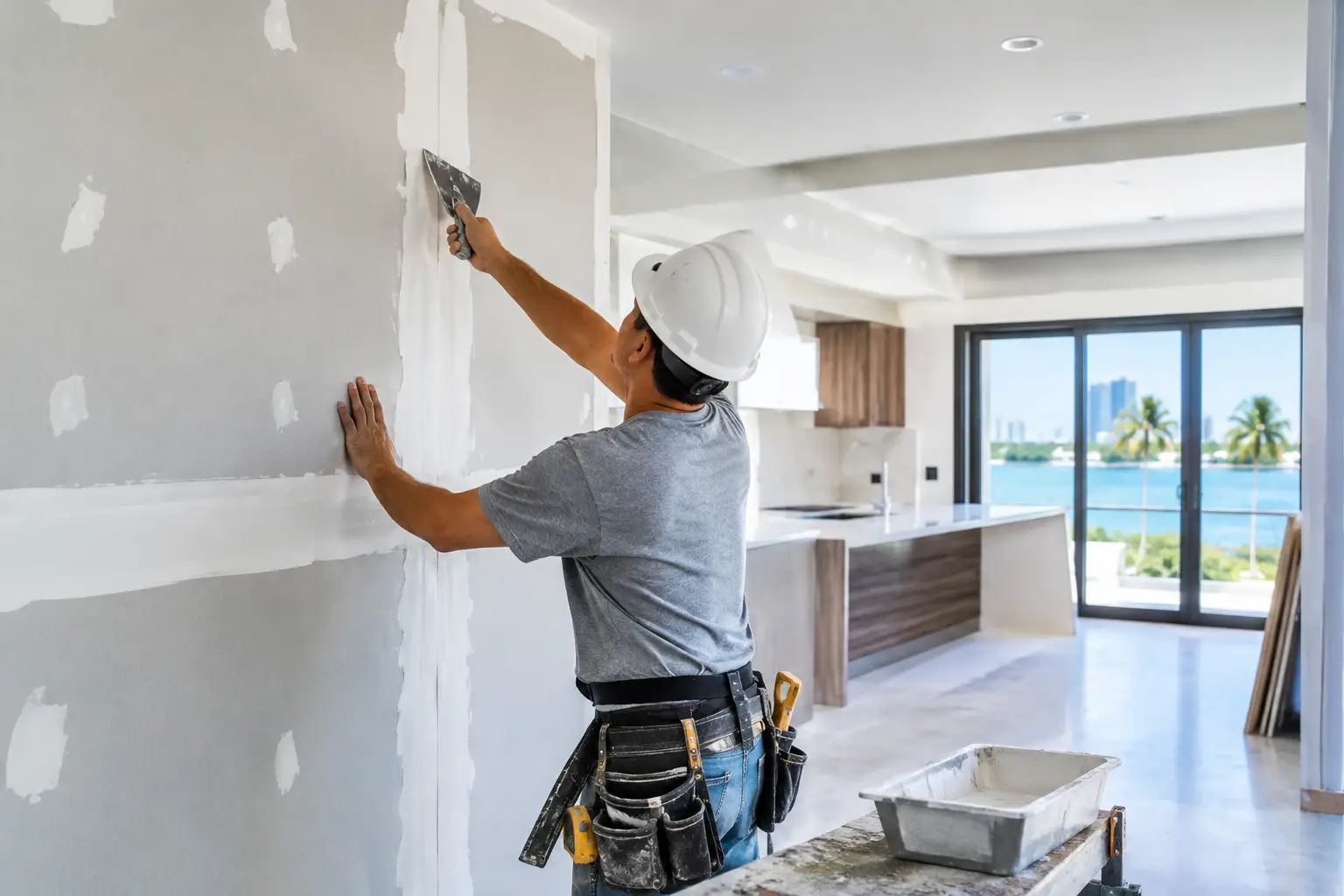
A new drywall wall can look flawless when it is painted, then reveal every weak seam, uneven corner, or moisture issue months later. That is why drywall installation Miami property owners can count on is not just about hanging boards quickly. It is about choosing the right materials, preparing the structure properly, controlling dust and moisture, and delivering a finish that holds up in a demanding climate.
For a single-family home, condo renovation, rental turnover, or commercial interior refresh, drywall often becomes the surface that makes the entire project feel complete. It creates the clean backdrop for custom kitchens, spa-like bathrooms, fresh flooring, modern trim, and carefully selected paint colors. When the installation is poor, even high-end finishes lose their impact.
Drywall Installation in Miami Starts With Conditions
Miami walls face conditions that are different from those in drier markets. High humidity, wind-driven rain during storm season, condensation around exterior openings, and occasional plumbing leaks can all affect drywall assemblies. The goal is not to treat every wall as if it has a moisture problem. The goal is to identify where moisture exposure is realistic and specify the work accordingly.
Standard drywall may be appropriate for dry, conditioned living areas. In bathrooms, laundry rooms, utility spaces, or areas near plumbing, moisture-resistant board can be the better choice. Cement board or another approved tile backer is typically needed behind tile in wet shower areas, rather than relying on regular drywall. These material decisions matter because paint alone is not a solution for recurring moisture.
Before new boards go up, the crew should look for the cause of stains, soft drywall, peeling paint, or mildew odors. Covering damaged material without addressing a leaking pipe, failed shower waterproofing, or water intrusion at an opening only postpones the repair. A clean wall begins with a dry and stable wall cavity.
Concrete Block Walls Need a Different Approach
Many Miami-Dade properties have concrete block exterior walls. When an interior wall is being finished over block, the method depends on the project conditions. Some spaces may need furring, framing adjustments, insulation considerations, or leveling work to create a straight plane for drywall. Others may only need targeted patching and skim coating.
The key is avoiding shortcuts that leave a wavy surface or create unnecessary voids where moisture can be trapped. A contractor should assess the actual wall, not assume every room can be handled with the same assembly. This is particularly relevant in older homes, additions, converted garages, and properties that have been renovated in phases over the years.
Framing and Backing Determine the Finish
Drywall is only as flat as the framing behind it. Studs that are bowed, corners that are out of square, and missing backing at seams can lead to cracked joints and visible ridges. Before installation, framing should be checked and corrected where needed. Blocking may be added for cabinets, grab bars, televisions, shelving, mirrors, and other planned wall-mounted items.
That conversation should happen early. It is much easier to install proper backing before drywall than to open a newly painted wall later. For kitchen and bathroom remodeling, coordination between the drywall scope, cabinetry layout, plumbing, electrical work, and tile plan prevents expensive rework.
The Difference Is in the Taping and Finishing
Hanging drywall is the visible part of the process, but taping and finishing are where craftsmanship becomes obvious. Seams need tape and joint compound applied in multiple coats, with adequate drying time and careful sanding between stages. Rushing the process can leave flashing, joint lines, pinholes, rough texture, or corners that catch the eye after paint is applied.
Lighting exposes poor drywall work. Recessed lights, pendant fixtures, large windows, and LED strip lighting can cast shadows across a wall and make minor imperfections easy to see. In areas with strong side lighting, a higher level of finish may be appropriate, especially for smooth walls with satin or semi-gloss paint.
Texture is a design choice, not a cover-up plan. A light orange peel texture can be practical in some homes and rental properties because it helps disguise minor surface variation. A smooth finish has a more refined, contemporary appearance, but it requires greater preparation and attention. Neither is automatically better. The right choice depends on the room, lighting, paint sheen, existing finishes, and the look the owner wants to achieve.
Condo Rules and Project Timing Matter
Condo drywall work can involve more coordination than a similar project in a house. Building management may require proof of insurance, contractor registration, elevator reservations, designated work hours, debris procedures, and approval before work begins. Some associations also have rules for protecting common areas and removing construction waste.
These requirements should be addressed before materials arrive. A drywall project may be relatively contained, but it can still create dust, require deliveries, and involve noise from demolition, cutting, sanding, and fastening. A clear work plan protects the unit, the building, and the project schedule.
Permit requirements also depend on the scope. Cosmetic patching and finishing are different from work tied to a larger remodel that includes altered walls, plumbing, electrical, or structural changes. Miami-Dade permit timelines can vary based on the work and review requirements, so the schedule should allow for proper planning rather than promises that ignore the approval process.
When a Repair Is Enough and When Replacement Makes Sense
Not every damaged wall needs full replacement. Small nail holes, minor dents, isolated settlement cracks, and limited areas of damaged texture can often be repaired and blended into the surrounding finish. The challenge is matching the existing texture and paint well enough that the repair does not stand out.
Replacement is more sensible when drywall has absorbed water, become soft, developed broad staining, or has repeated cracking caused by an underlying issue. Large openings from plumbing or electrical repairs may also look cleaner when a larger, properly supported section is replaced instead of piecing together several small patches.
For landlords and property managers, the decision often comes down to durability and presentation. A fast patch may be suitable for a low-visibility utility area. In a unit being prepared for a new tenant, a clean repair, fresh paint, and consistent texture can make the entire space feel better maintained. For investors preparing a property for sale or lease, those finish details influence the first impression.
What Drives Drywall Project Cost
Drywall pricing is not based on square footage alone. The scope can change significantly based on demolition, access, ceiling height, framing corrections, board type, number of seams, corner details, texture matching, paint preparation, and whether the area is occupied.
A simple partition wall in an open room is usually more straightforward than repairing a ceiling after a leak in a furnished condo. Likewise, a small bathroom can require detailed labor because of tight spaces, moisture-resistant materials, tile transitions, soffits, plumbing penetrations, and corners around vanities and showers.
The most useful estimate describes what is being repaired or installed, the finish level expected, what preparation is included, and whether painting is part of the scope. Clear expectations reduce change orders and help owners compare proposals based on the actual work, not just the lowest starting number.
A Cleaner Process for Occupied Properties
Drywall work creates dust, particularly during sanding and demolition. In an occupied home, rental unit, office, or retail space, containment and cleanup should be treated as part of the job. Floors, furniture, vents, and adjacent rooms may need protection, while work areas should be isolated as practical for the project.
Timing also matters. A property owner may prefer drywall repairs coordinated with painting, flooring, baseboard installation, or a broader turnover scope so the space is disrupted once rather than repeatedly. This type of planning is especially valuable for apartment communities and commercial clients managing multiple rooms or units.
JT Express Solutions Corp approaches interior improvement work with the same focus: assess the existing conditions, define the scope clearly, protect the property, and complete the visible details that make the finished space feel intentional. For full remodeling projects in Miami-Dade, drywall should support the larger vision, whether that vision is a polished rental refresh or an extraordinary living environment with custom finishes.
A wall is easy to overlook when it is done right. Request an estimate or consultation before the first board is installed, and make sure the drywall plan accounts for the room, the building rules, the moisture conditions, and the finish you want to live with every day.