Choosing a Drywall Contractor Miami Homeowners Trust
By JT Express Solutions ·
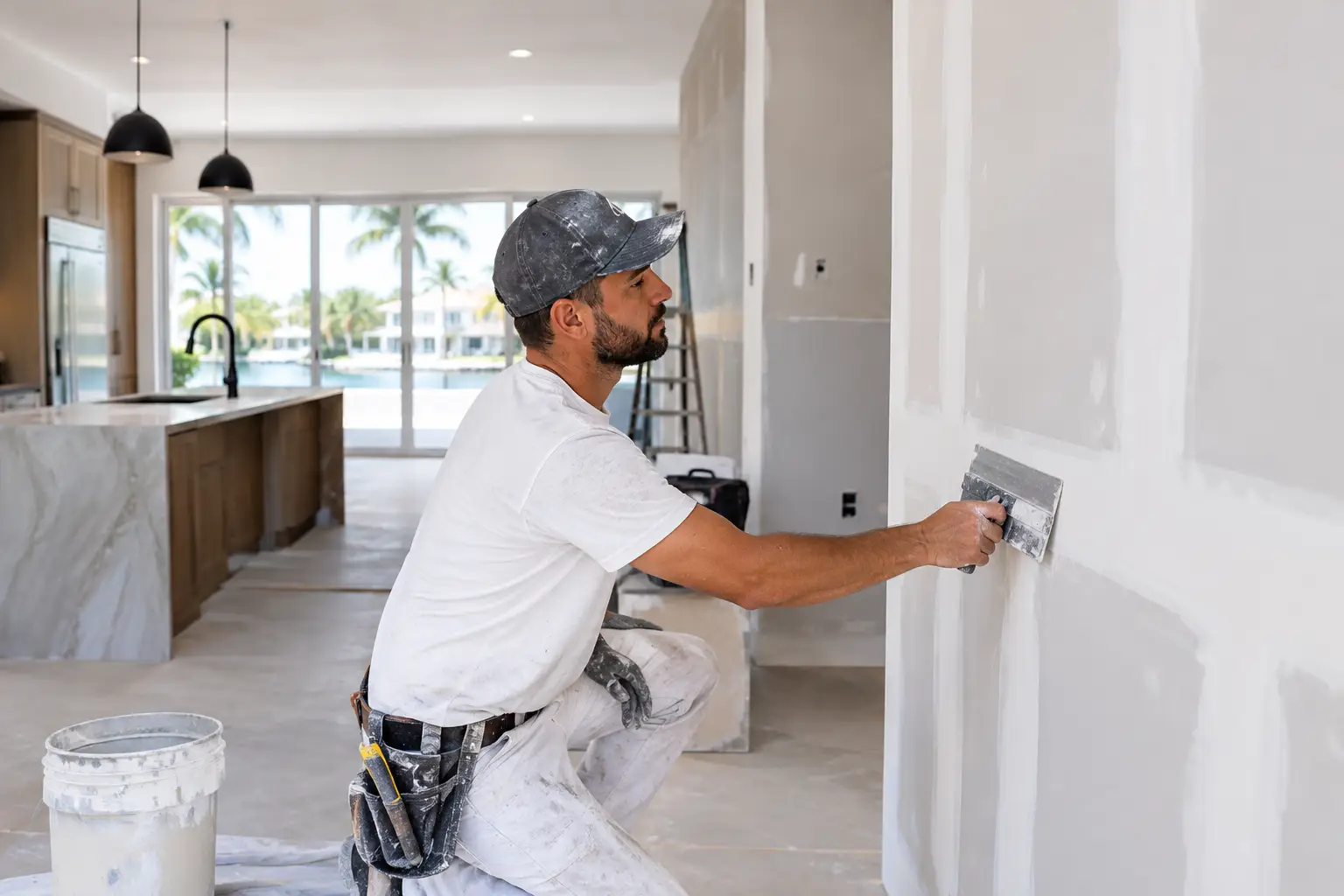
A wall can look perfectly fine until afternoon light hits it from the side and reveals every seam, patch, and uneven texture. That is why choosing a drywall contractor Miami property owners can rely on is about more than covering a hole or hanging new board. The quality of the framing check, repairs, taping, sanding, texture matching, and paint preparation determines whether the finished room feels polished or unfinished.
For a Miami home, rental unit, office, or apartment turnover, drywall work often sits at the center of a larger interior project. A bathroom renovation may require opening walls for plumbing changes. A kitchen update can involve soffit removal, new electrical locations, or damaged drywall behind old cabinets. Even a small water-related repair may call for careful moisture assessment before new material is installed.
What a Drywall Contractor Miami Clients Need Should Handle
Drywall is frequently treated as a simple finishing trade, but it has a major visual impact on the entire space. Quality work starts with understanding what is behind the surface and what the room needs after the repair is complete.
A qualified contractor should evaluate the source and extent of damage before suggesting a repair. A cracked seam can result from normal movement, but it can also point to moisture, framing movement, or a previous repair that was not properly reinforced. Covering the crack without addressing its cause may produce a quick visual improvement, but the issue can return.
The right scope also depends on the area. A small dent in a guest bedroom may need a targeted patch and careful paint blending. A ceiling affected by a past leak could require removal of compromised material, inspection of the surrounding area, replacement drywall, finishing, stain-blocking preparation, and repainting. When water is involved, the source should be corrected before closing the wall.
For remodels, drywall work should be coordinated with electrical, plumbing, cabinetry, flooring, trim, and painting. This sequencing matters. Installing baseboards before wall repairs are complete, for example, can create avoidable touch-up work. A contractor who sees the entire interior project can organize those steps more effectively.
Repair, Replacement, and New Installation Are Different Jobs
Not every damaged wall needs full replacement, and not every repair should be limited to a small patch. The best option depends on the condition of the board, the location of the damage, and the finish expected in the room.
Targeted drywall repair can be a practical choice for nail pops, door-handle damage, minor cracks, small access openings, and isolated imperfections. It preserves sound material and can control costs. The trade-off is that matching an older wall texture and existing paint can take more care than homeowners expect, especially where sunlight makes inconsistencies visible.
Replacement is often appropriate when drywall is soft, deteriorated, repeatedly patched, or affected by moisture. In bathrooms, laundry areas, and other spaces exposed to humidity, material selection and proper preparation deserve special attention. Miami's climate does not automatically mean every interior wall needs specialty board, but moisture-prone locations should be assessed thoughtfully.
New drywall installation is common during room reconfigurations, kitchen and bathroom remodeling, office updates, and commercial interior improvements. The visible result depends on the work that happens before the final coat of compound. Boards should be properly supported, seams treated correctly, corners protected, and fasteners set without breaking the paper face. Rushed installation usually shows up later as uneven joints, visible fastener marks, or cracking.
The Finish Level Changes the Final Look
Drywall finishing is not one-size-fits-all. A utility area, a rental turnover, and a newly remodeled living room may require different approaches based on budget, lighting, wall texture, and design goals.
Smooth walls create a clean, modern appearance, particularly in kitchens, bathrooms, and contemporary interiors. They also demand more preparation because natural and artificial light can reveal subtle waves or sanding marks. If a room has large windows, recessed lighting, or a strong side-lighting effect, discuss this with the contractor before work begins. The finish needs to meet the conditions of the space, not just look acceptable from one angle.
Textured finishes can help match surrounding walls and may be practical in certain homes. However, texture matching requires judgment. An overly heavy or noticeably different repair can draw more attention than a smooth, well-blended area. Before approving a broad repair or entire-room finish, ask how the new work will transition into existing surfaces.
Paint sheen matters too. Flat paint is generally more forgiving of minor wall variations, while eggshell, satin, and higher-sheen paints reflect more light and make flaws easier to spot. This does not mean homeowners should avoid a preferred paint finish. It means drywall preparation and painting should be planned together.
What to Expect From a Clear Estimate
A useful estimate should help you understand the work, not leave you guessing what is included. For drywall projects, the proposal should identify the affected areas, expected repair or replacement work, the intended finish, and whether painting is included. If the project involves opening walls for another trade, it should also clarify who handles restoration once that work is complete.
Be cautious with vague descriptions such as “repair drywall as needed” when the project involves a large area, water damage, or a renovation. Some unknown conditions are reasonable, especially behind walls, but the contractor should explain how changes will be communicated if hidden issues appear.
It is also worth discussing protection and cleanup. Drywall sanding creates fine dust, even when work is contained carefully. A professional plan should address how nearby floors, furnishings, and occupied areas will be protected. For apartment communities, occupied rentals, and commercial interiors, access hours, noise, debris removal, and return-to-service timing may be just as important as the patch itself.
A low estimate can be tempting, but compare scope before comparing totals. One price may include proper preparation, multiple finishing steps, texture work, primer, and paint touch-ups, while another may cover only the most basic patch. The better value is the proposal that clearly matches the result you expect.
Questions Worth Asking Before Work Begins
Good communication prevents many drywall disappointments. Ask whether the contractor expects to match an existing texture or create a new finish across the area. Confirm whether paint matching is part of the scope, and whether a full wall or ceiling repaint may be recommended for a more consistent appearance.
For larger projects, ask about sequence and access. Will electrical or plumbing work happen before the walls are closed? When will sanding occur? Can the area remain usable during portions of the project? These practical details are especially useful for landlords preparing a unit between tenants and businesses planning interior improvements with minimal disruption.
You should also ask what conditions could change the scope. Hidden moisture, deteriorated framing, mold concerns, damaged insulation, or outdated work behind a wall may require a different plan. A dependable contractor does not ignore those possibilities, but explains them plainly and presents practical next steps if they arise.
Drywall Work That Supports the Whole Interior
Well-finished drywall gives a room its clean lines. It makes new cabinetry look sharper, tile transitions look intentional, fresh paint appear richer, and baseboards sit against a straight, finished surface. Conversely, poorly finished walls can diminish even a well-designed remodel.
For homeowners and property managers, it is often efficient to combine drywall repair with interior painting, trim replacement, flooring updates, or punch-out work. Coordinating related improvements can reduce repeated disruption and create a more consistent result. The right approach depends on the property, the timing, and whether the project is a focused repair or part of a full remodel.
JT Express Solutions Corp helps Miami-Dade clients plan drywall repair, finishing, painting, and broader interior improvement work with clear communication and attention to the details that show after the job is done. If your walls, ceilings, or renovation plans need professional evaluation, request an estimate and start with a scope that fits the condition of your space and the finish you want to live with.