Baseboard Installation Miami That Finishes a Room
By JT Express Solutions ·
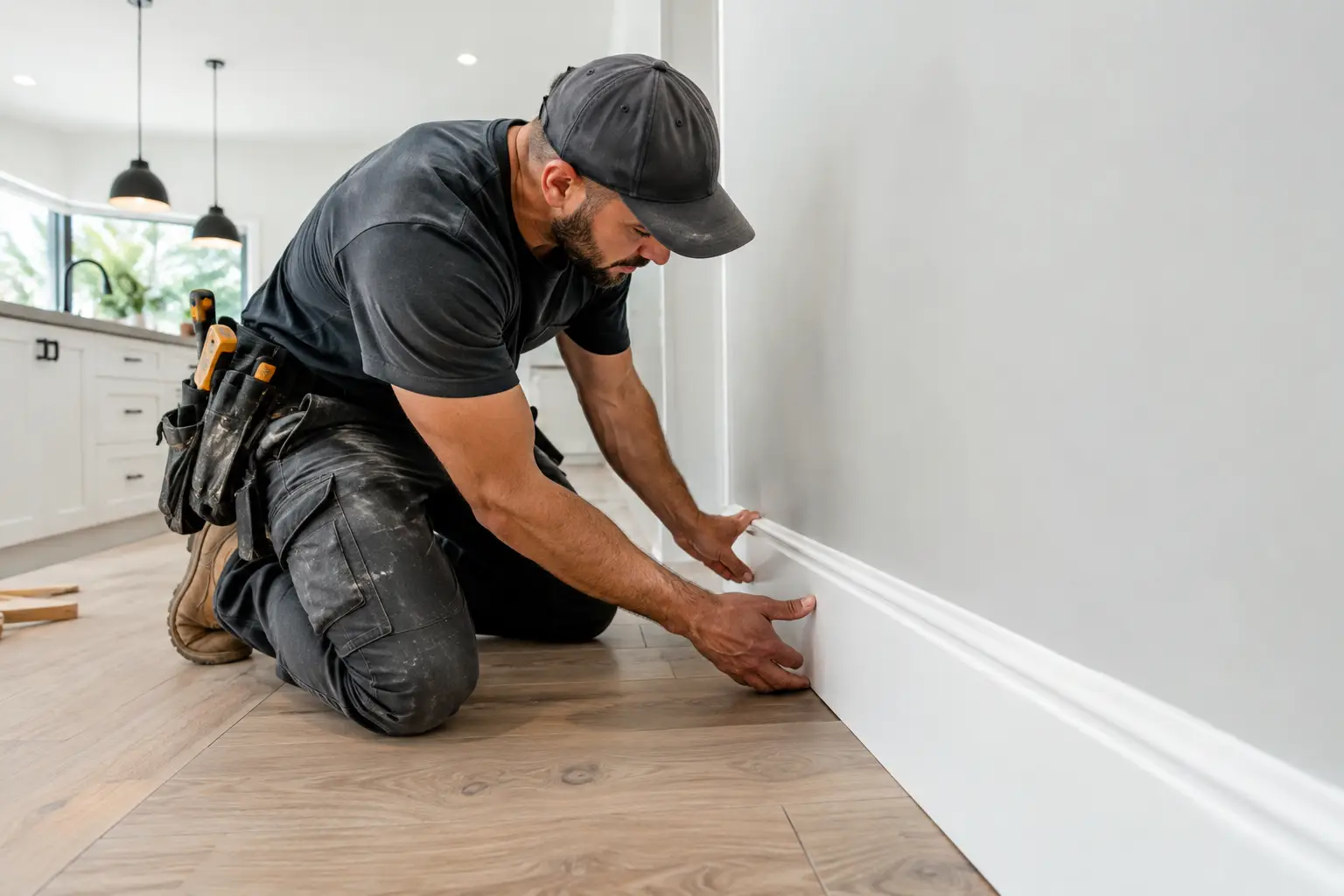
A fresh floor, newly painted walls, or a renovated bathroom can still look unfinished when the baseboards are worn, uneven, or poorly fitted. Quality baseboard installation Miami homeowners choose is one of those final details that changes how the entire room reads. It creates a clean transition from wall to floor, covers the necessary expansion space around many flooring types, and gives the space a more intentional finish.
For a single room, new baseboards may be a focused cosmetic improvement. Across a condo, rental unit, or full-home renovation, they become part of a larger system involving flooring, drywall, paint, doors, and trim. Getting that system right takes careful measuring, material selection, and finishing work that holds up to South Florida living.
Why Baseboards Matter More Than Most People Expect
Baseboards do practical work, but their visual role is just as significant. They protect the lower portion of the wall from furniture, vacuums, and everyday traffic. They also conceal small gaps where flooring meets the wall, which is especially useful after installing laminate, vinyl plank, engineered wood, or tile.
Their proportion matters. A narrow profile can make sense in a compact apartment with simple contemporary finishes. Taller boards can bring presence to a larger living room, primary bedroom, or renovated home with higher ceilings. The best choice depends on ceiling height, door casing, flooring tone, wall condition, and the look you want to carry from room to room.
A common mistake is treating baseboards as an afterthought. If the profile clashes with existing door trim, corners are visibly open, or caulk lines are heavy and uneven, the room can look incomplete even when the larger renovation work is well done. Clean trim installation is a small detail with a highly visible payoff.
Baseboard Installation Miami Homes Need to Consider
Miami's humidity and varied housing stock influence material choices and installation methods. Older homes may have walls that are not perfectly straight. Condos can have concrete walls, while other properties may have drywall partitions, patched areas, or different flooring levels from one room to the next. These conditions are manageable, but they require accurate preparation rather than a one-size-fits-all approach.
Material choice affects appearance and maintenance
Paint-grade MDF is popular because it offers a smooth, consistent surface and works well for many interior spaces. It is often a practical option for straight walls and painted trim packages. However, MDF is not the best fit for every situation. Areas with recurring moisture exposure, such as a bathroom with ventilation issues or a location near an exterior entry, may call for a more moisture-tolerant material.
PVC trim is resistant to moisture and can be a sensible choice for certain wet-prone interior areas. Finger-jointed pine and other wood options provide a traditional feel and can be useful where stain-grade trim is desired, though natural wood requires thoughtful finishing and may react differently to changing conditions. Composite materials can also offer durability and a clean painted finish.
The right material is not automatically the most expensive one. It is the one that fits the room, expected use, existing finishes, and maintenance expectations. A clear estimate should identify the proposed material and profile so there is no confusion about what will be installed.
Walls, floors, and corners determine the final look
Baseboards are rarely installed against perfectly flat walls. Minor bows, uneven drywall, and out-of-square corners are common, especially in older properties or spaces that have been repaired over time. A quality installer accounts for these realities through proper cuts, scribing where needed, careful fastening, and controlled caulking.
Inside corners often look best when they are coped rather than simply joined with two angled cuts. Outside corners need crisp miters and secure attachment because they are exposed to more contact. When trim meets door casing, transitions should look deliberate instead of crowded or improvised.
Flooring also matters. Floating floors need room to expand and contract, while tile and other hard surfaces may create slight height variations that require thoughtful detailing. The goal is a finished edge that looks straight and balanced without restricting how the floor is designed to perform.
What Professional Installation Should Include
The visible result starts well before the first board is attached. A professional scope should account for measuring, material quantity, removal of existing baseboards if needed, wall inspection, installation, filling, caulking, and final paint touch-ups. If walls need drywall repair before new trim goes in, that should be addressed early rather than hidden behind the baseboard.
Preparation is especially valuable in occupied homes and rental properties. Existing trim may be painted in place many times, leaving damage when it is removed. Flooring may be newly installed and require protection. Furniture, closets, door jambs, and built-in cabinetry all affect how the work is planned.
During installation, boards should be cut and fitted with attention to wall movement and room layout. Fastening methods should match the wall construction and trim material. After joints and nail holes are filled, caulk is used to create a finished line at the wall, not to disguise large gaps caused by poor fitting. Paint is the final step that brings the trim package together.
For larger projects, consistency is essential. The profile, height, color, sheen, and transition details should stay aligned throughout the home unless there is a purposeful design change. This is particularly important for landlords and property managers preparing units for new tenants, where clean, durable finishes support a stronger presentation and easier turnover process.
Choosing a Style That Fits Your Space
Simple square-edge or craftsman-style baseboards suit many modern Miami interiors. They offer clean lines and pair well with contemporary cabinetry, large-format tile, neutral paint, and streamlined door casings. Colonial-style profiles can add more traditional detail, particularly in homes where the doors, crown molding, or existing millwork already carry that character.
Height is another key decision. A 3 1/4-inch or 4 1/4-inch board can work well in standard-height rooms, while 5 1/4-inch and taller options often give renovated living spaces a more substantial appearance. Bigger is not always better. In a low-ceiling room, an overly tall baseboard can feel out of scale. Matching the trim to the room's proportions produces a more polished result.
Color and sheen should be selected with the whole finish palette in mind. Bright white trim remains a dependable choice against many wall colors, but warmer whites and soft contrasting trim colors can create a more tailored look. Satin or semi-gloss paint is commonly used because it is easier to clean than flat wall paint and helps define the profile without excessive shine.
When to Replace Baseboards During a Remodel
Baseboard replacement makes the most sense after major wall repairs and before final paint touch-ups. It is also often included with new flooring installation, since existing boards may need to come off to allow flooring to be installed correctly. Reusing old baseboards can be possible, but it depends on their condition, the flooring height, and whether removal will damage the boards or walls.
Bathroom and kitchen renovations are also good opportunities to evaluate adjoining trim. New tile, cabinetry, or paint can make aging baseboards stand out for the wrong reasons. Updating them can help carry the refreshed design beyond the main renovation area and create a more cohesive living environment.
For investment properties, the decision usually comes down to condition and durability. If trim is heavily chipped, swollen, mismatched, or difficult to clean, replacement may be more practical than repeated patching. A straightforward, durable profile in a consistent color can improve the appearance of a unit without overcomplicating future maintenance.
A Clear Scope Helps Avoid Surprises
Before work begins, ask how the project handles removal, disposal, wall patching, material selection, painting, and furniture protection. It is also helpful to confirm whether the estimate includes matching existing door casing or installing a new coordinated trim package. These details influence both the final appearance and the project cost.
JT Express Solutions helps Miami-Dade homeowners, landlords, and property managers plan baseboard and interior finishing work with practical recommendations, organized project coordination, and clear estimates. Whether the work is part of a flooring upgrade, apartment turnover, drywall repair, or larger remodel, the focus should remain on clean lines and finishes that make the space feel complete.
A well-fitted baseboard does not demand attention on its own. It lets the flooring, walls, and design of the room look their best. If your trim is ready for an update, request an estimate and start with a plan that fits the condition of your space and the result you want to see every day.