Apartment Turnover Timeline for Miami Rentals
By JT Express Solutions ·
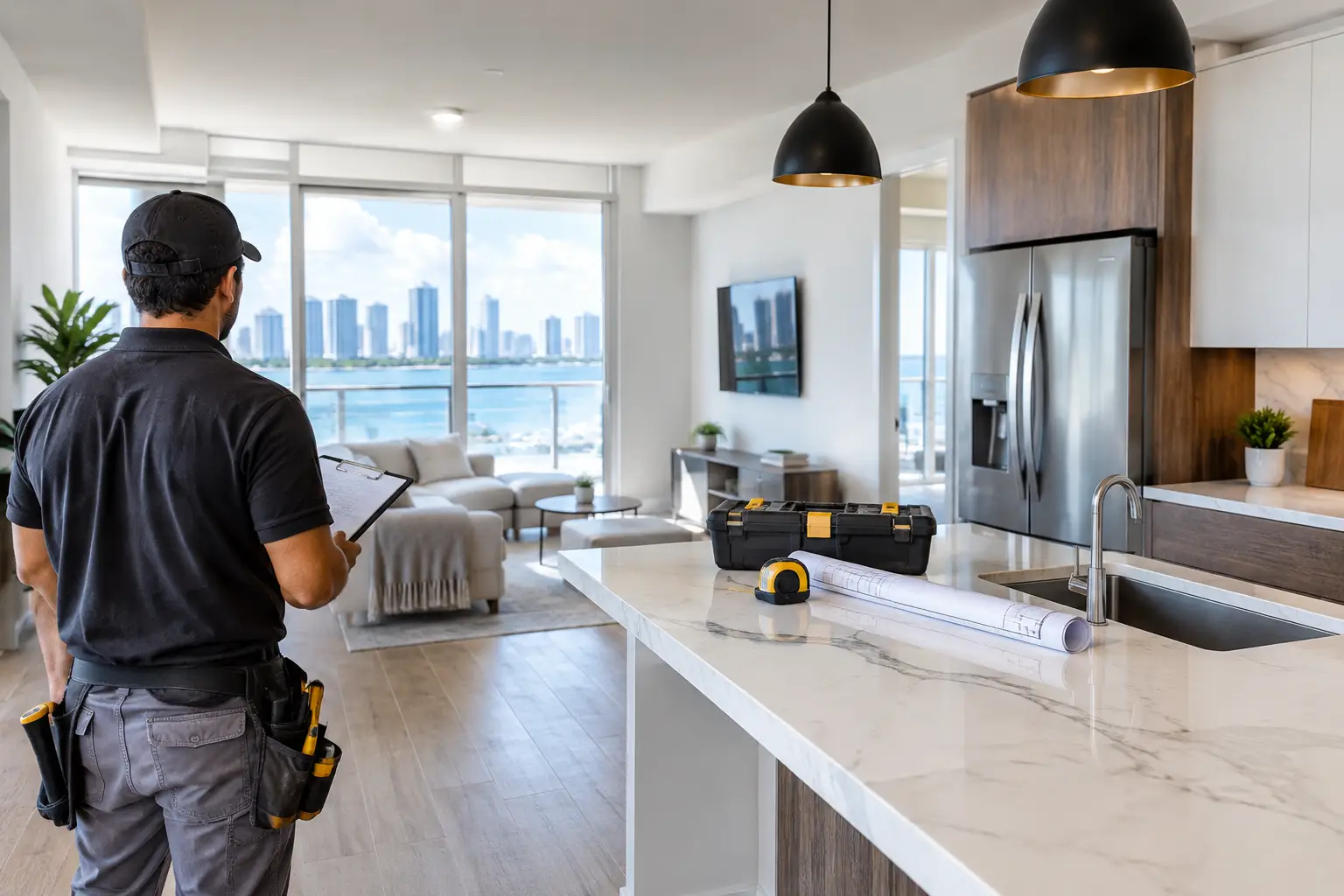
A vacant unit costs money every day it sits unfinished. A realistic apartment turnover timeline gives landlords and property managers a clear path from move-out inspection to a clean, rent-ready home without rushing work that will create callbacks later. In South Florida, that plan also needs to account for humidity, moisture concerns, material availability, condo access rules, and the condition hidden behind furniture, wall art, and old flooring.
For a straightforward cosmetic turnover, seven to 14 days is often reasonable once the unit is vacant and access is clear. A unit with water damage, extensive drywall repairs, flooring replacement, a kitchen refresh, or association approval requirements can take several weeks. The goal is not to promise an artificial finish date. It is to identify the scope early, sequence the work correctly, and protect the quality of the finished apartment.
What Shapes an Apartment Turnover Timeline?
The biggest factor is the condition of the unit at move-out. An apartment that needs cleaning, paint touch-ups, minor caulking, and a few hardware replacements is very different from one with damaged drywall, swollen baseboards, stained grout, worn vinyl flooring, or moisture behind a bathroom vanity.
In Miami-Dade rentals, humidity changes the conversation. Paint must go onto properly prepared, dry surfaces. Flooring cannot be installed over a slab with unresolved moisture issues. A small leak under a sink or around a shower can turn a quick turnover into a repair that needs drying time, wall opening, drywall replacement, texture matching, and repainting.
Access also matters. Many condo buildings require certificates of insurance, elevator reservations, work-hour restrictions, loading dock coordination, or management approval before materials and crews can enter. Those details can add days before work starts, even when the physical scope is modest. For investor-owned units, an early review of building rules keeps the calendar realistic.
A Practical Apartment Turnover Timeline
Days 1-2: Inspect, document, and define the scope
The turnover should begin as soon as the prior resident has fully moved out. A detailed walk-through is more useful than a rushed checklist. Photograph each room, test fixtures and outlets, look below sinks, inspect ceilings for staining, check doors and closet tracks, and note damage to walls, trim, cabinets, countertops, flooring, and appliances.
This is the moment to separate ordinary wear from items that need repair or replacement. It is also where small concerns are caught before they become bigger ones. A soft baseboard near a bathroom, for example, may indicate water exposure. Repainting over a stain without finding its source can produce a clean-looking unit for a short time, then lead to another repair after the new tenant moves in.
A contractor should provide a defined scope with priorities. Safety, moisture control, functional repairs, and code or building requirements come first. Cosmetic upgrades come next. That order prevents money from being spent on finishes that must later be removed to access a problem.
Days 2-5: Complete repairs before cosmetic work
Once the scope is approved, repair work starts with the items that affect everything else. Drywall patches need to be secured, finished, sanded, and primed. Plumbing-related damage should be addressed before vanity touch-ups or painting. Loose tile, damaged cabinet hardware, cracked caulk, and broken interior doors should be corrected before final cleaning begins.
In concrete-block buildings, drywall and furring details may vary from unit to unit, especially in older properties. Matching an existing wall texture or repairing a section around an electrical box may take more than one visit because joint compound and primer need proper drying time. Rushing this stage often creates flashing, uneven texture, or visible patch lines once the walls are painted.
For an occupied building, work hours and elevator reservations can affect productivity. A crew may have a full day of work planned but only a limited delivery window for flooring or cabinets. Planning those logistics before demolition or material removal avoids idle days.
Days 4-8: Paint, flooring, and finish upgrades
Painting usually comes after dust-producing drywall work is complete. A quality turnover paint job includes surface preparation, stain blocking where needed, caulk at trim gaps, and consistent cut lines around ceilings, doors, and baseboards. High-traffic rentals benefit from durable, cleanable finishes, but the right sheen depends on the wall condition. A glossier paint can be easier to wipe, yet it also shows wall imperfections more clearly.
Flooring should be scheduled around the rest of the scope. If baseboards are being replaced, many projects install flooring first and then set new baseboards for a tighter finished look. If the existing flooring is staying, it should be protected during painting and repairs. For vinyl plank flooring over a concrete slab, the condition and moisture level of the substrate must be evaluated before installation. Skipping preparation can lead to lifting, gaps, or a floor that feels uneven underfoot.
This is also a strong point in the schedule to make value-focused upgrades. New baseboards, updated light fixtures, modern cabinet pulls, fresh silicone at tubs and showers, and refinished walls can make a rental feel more intentional without expanding into a full remodel. In the right unit, these details create an extraordinary living environment and support stronger listing photos.
Days 7-10: Kitchens, baths, and punch-out work
A full kitchen or bathroom renovation belongs on a longer timeline, especially if layout changes, plumbing relocation, electrical changes, permits, or building approvals are involved. For a turnover, many owners choose targeted improvements instead: replace damaged vanity components, install new mirrors and accessories, refresh grout and caulk, repair cabinet doors, or upgrade the backsplash and hardware.
Punch-out work is where presentation is won or lost. It includes adjusting doors that do not close smoothly, replacing cracked switch plates, touching up paint at corners, aligning cabinet pulls, cleaning construction dust from vents, and removing leftover materials. These may be small tasks individually, but together they determine whether a prospective tenant sees a well-managed residence or a unit that feels unfinished.
Days 10-14: Final clean, quality check, and move-in readiness
The final phase is more than cleaning. The apartment should be walked room by room with the same attention a prospective renter will give it. Check that wall repairs blend properly, doors latch, drawers operate, toilets and sinks function as expected, and flooring transitions are secure. Confirm that paint is dry, caulk is cured where applicable, and no debris remains in closets, cabinets, or on balconies.
If the property uses a leasing team, schedule the final review before photography and showings. That leaves room for a last touch-up instead of discovering a small issue after the listing is live. It also helps avoid conflicts between maintenance, cleaners, and photographers trying to access the unit at the same time.
When a Turnover Should Take Longer
The fastest schedule is not always the most profitable one. Extending a turnover is justified when there is active or suspected moisture damage, a failing shower surround, damaged subflooring, electrical concerns, major drywall issues, or association requirements that have not been cleared. The same is true when a unit is being repositioned for a higher-quality tenant with upgraded flooring, a refreshed kitchen, or spa-like bathroom finishes.
Storm season can also complicate deliveries, building access, and moisture conditions. A few days of contingency is smarter than committing to a date that leaves no room for weather, material delays, or an unexpected repair behind a wall.
Keep Future Turnovers Shorter
Consistency is the best long-term turnover strategy. Using repeatable paint colors, flooring selections, trim profiles, hardware finishes, and fixture models makes repairs faster and helps units maintain a cohesive look. Keep a record of material selections and past repairs for each apartment. When a wall needs a touch-up or a cabinet pull needs replacement, the answer is already available.
For Miami-Dade landlords, investors, and property managers, a well-planned turnover protects rental income while preserving the finish quality tenants notice immediately. JT Express Solutions can assess the unit, organize the repair sequence, and provide a clear estimate for apartment turnover, punch-out, painting, drywall, flooring, and selected interior improvements. The right time to schedule that conversation is before the vacancy becomes an expensive delay.