How to Schedule Tenant Turnovers Efficiently
By JT Express Solutions ·
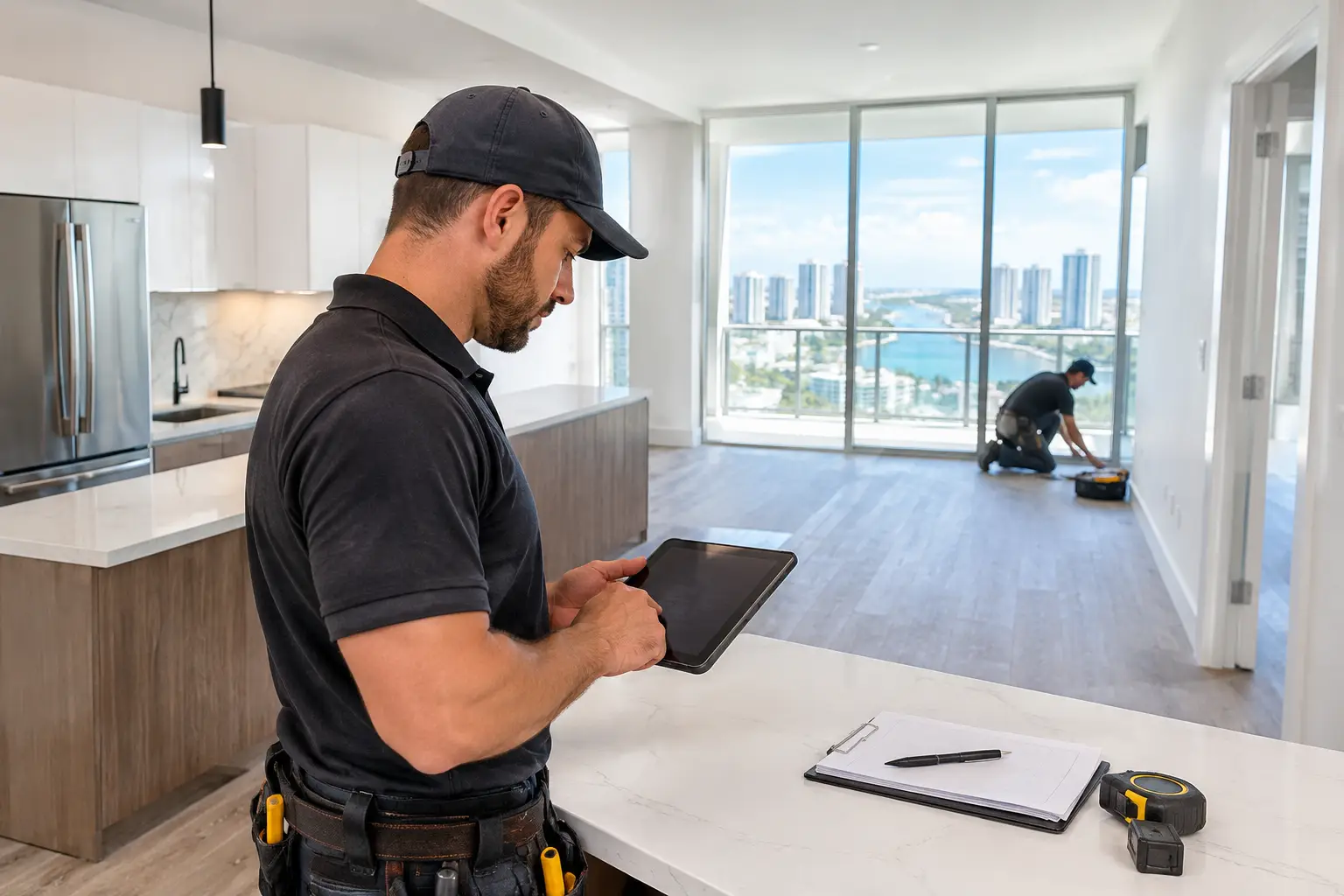
A vacant unit costs money every day, but rushing the work can cost more when a new tenant walks into paint touch-ups, loose baseboards, or a bathroom that still smells damp. To schedule tenant turnovers efficiently, property owners and managers need a repeatable sequence: confirm the move-out date, inspect promptly, approve the scope, order materials, and reserve the right trades before the unit sits empty.
For Miami-area rentals, that sequence has to account for more than a standard cleaning and paint job. Humidity can turn a small drywall issue into a mildew concern. Condo elevator rules can limit delivery windows. Association approvals, access requirements, and occupied neighboring units can change what looks like a simple three-day turnover on paper.
Start the Turnover Before the Tenant Leaves
The best turnover calendar begins 30 to 45 days before lease end, not when keys are returned. Confirm the expected move-out date in writing, identify whether the next tenant is already scheduled, and review any prior maintenance notes for recurring concerns. A unit with repeated bathroom caulk failures, water stains below an air handler, or swelling laminate near a kitchen sink needs a closer look than a routine refresh.
If permitted by the lease and local requirements, schedule a pre-move-out walkthrough with the tenant. This is not the final condition inspection. It is an opportunity to flag items that can slow down the handoff, such as wall damage behind furniture, missing blinds, unapproved paint colors, or personal belongings that may remain after move-out.
At this stage, separate likely work into three lanes: standard turnover items, tenant-chargeable damage where documentation supports it, and owner improvements. That distinction keeps decision-making clean. A scuffed wall may be normal wear. A large hole in drywall is not. Replacing outdated flooring may be the owner’s investment, even when the unit is otherwise ready.
Build a Turnover Schedule Around Critical Path Work
Not every task should happen at once. Flooring installers should not be working around painters, and final cleaning should not be booked before drywall sanding is complete. The fastest schedules follow the work that controls every task after it.
A practical order usually looks like this: inspection and scope approval first; moisture or plumbing-related concerns next; drywall repair and patching; surface preparation and painting; flooring, baseboards, trim, and hardware; then final cleaning, punch-out, and quality control. Appliance service, blind replacement, and minor fixture work can often be coordinated alongside finish work, but only if they will not damage completed surfaces.
Keep the first 48 hours protected
The first two business days after move-out are where turnover schedules are won or lost. The unit should be photographed, inspected, and measured before debris removal hides the real condition. Document walls, floors, cabinets, countertops, bathrooms, closets, windows, and every visible water stain.
Approve the scope quickly once the condition is known. Waiting four days to decide whether to replace a damaged vanity, refinish cabinets, or install new vinyl flooring can leave the contractor with no productive work to perform. If ownership approval involves several people, designate one decision-maker or establish a spending threshold in advance for common repairs.
Avoid false speed with overlapping trades
Putting more workers in a unit does not always shorten the schedule. In a compact apartment, crews can interfere with each other, create safety issues, and damage fresh finishes. It also becomes harder to determine who caused a new scratch or missed repair.
Overlap work only when the spaces are truly separate. For example, a bathroom repair can proceed while another crew prepares bedrooms for painting, provided moisture issues are contained and materials can be moved without crossing wet paint or newly installed flooring. A qualified turnover contractor should sequence work to protect finishes, not simply fill the unit with people.
Inspect for South Florida Conditions, Not Just Cosmetics
A fast inspection must still be thorough. South Florida’s heat and humidity make moisture control a central turnover issue, especially in bathrooms, kitchens, laundry closets, and units that have been closed up for several days. Look for peeling paint, soft drywall, discolored caulk, swollen baseboards, musty odors, and staining under sinks or around toilet bases.
Concrete-block buildings add another consideration. Hairline cracks and patch areas may be cosmetic, but moisture intrusion, failed sealants, and visible efflorescence need proper evaluation before cosmetic repairs are applied. Painting over a damp surface may make a vacancy look ready for a week, then create a visible failure after the new tenant moves in.
Material choices should support the rental’s use level and maintenance plan. Durable washable interior paint, moisture-resistant drywall where appropriate, quality bath caulk, and flooring suited to wet entry conditions can reduce repeat service calls. The least expensive material is not always the lowest turnover cost if it chips, swells, or stains after one lease cycle.
Plan for Condo, HOA, and Building Restrictions
In Miami-Dade rental properties, access rules can be as important as the work itself. Many condominiums require certificates of insurance, contractor registration, elevator reservations, specific work hours, and advance notice for material deliveries. Some communities restrict noisy work or prohibit certain projects on weekends.
Collect the building requirements before locking in the crew schedule. If approval takes several business days, schedule the inspection and pricing immediately but do not promise a completion date that assumes unrestricted access. For occupied high-rise buildings, delivery parking and elevator availability can add meaningful time to a flooring or material replacement project.
Storm season can also affect planning. Heavy rain may not stop interior work, but it can disrupt deliveries, building access, or moisture conditions in open units. If windows, doors, or exterior-adjacent areas show signs of water intrusion, address the source and allow affected materials to dry before closing walls or installing finish flooring.
Use a Scope That Is Clear Enough to Schedule
A vague request for a "full refresh" leads to vague timelines. Your turnover scope should identify the rooms involved, visible repairs, finish selections, and responsibility for materials. It should also state what is excluded until further inspection, particularly where moisture damage, concealed plumbing issues, or subfloor conditions may be present.
For repeat rentals, standardize the finish package when possible. Using the same wall color, baseboard profile, door hardware finish, and flooring line across units makes ordering faster and produces a more consistent property presentation. It also gives maintenance teams a clearer path for future touch-ups.
That does not mean every unit should receive the same scope. A well-located apartment with dated finishes may justify a more elevated kitchen, bathroom, or flooring update between tenants. The right question is whether the improvement supports rent, tenant demand, and the expected hold period - not whether it can be completed in the shortest possible vacancy window.
Add a Final Punch-Out Before Marketing Photos and Move-In
The last inspection should happen after all workers and cleaners are finished, not while the final crew is packing up. Walk the unit room by room with the original scope, checking paint coverage, drywall texture, flooring transitions, baseboard joints, cabinet alignment, caulk lines, doors, outlets, switches, and visible hardware.
Run water at sinks and showers, flush toilets, test lights, and look beneath vanities. Check closets, utility areas, and behind doors, where small misses often survive until move-in day. Photograph completed rooms after the punch-out so the property has a clear record of the delivered condition.
A clean, finished unit photographs better, rents with more confidence, and sets a higher standard for the incoming tenant. It is also the moment to confirm that keys, remotes, access fobs, and building move-in procedures are ready. A beautiful apartment still creates a poor first impression if the tenant cannot get through the lobby or into the unit.
When a Short Vacancy Is Worth the Extra Day
There are times when holding a unit for one additional day is the smarter financial choice. Letting paint cure before heavy cleaning, correcting a moisture concern before installing baseboards, or waiting for approved flooring materials can prevent a much larger repair after occupancy. The goal is not merely to turn a unit fast. It is to deliver a clean, durable, move-in-ready home without creating a second turnover in a few weeks.
For landlords and property managers who need organized apartment turnover, punch-out, painting, drywall, flooring, and finish work in Miami-Dade, JT Express Solutions can help define the scope and schedule the work around the real conditions of the property. Request an estimate early, before the keys change hands, and give the next tenant a home that feels properly prepared from day one.