Property Turnover Services Miami Owners Can Rely On
By JT Express Solutions ·
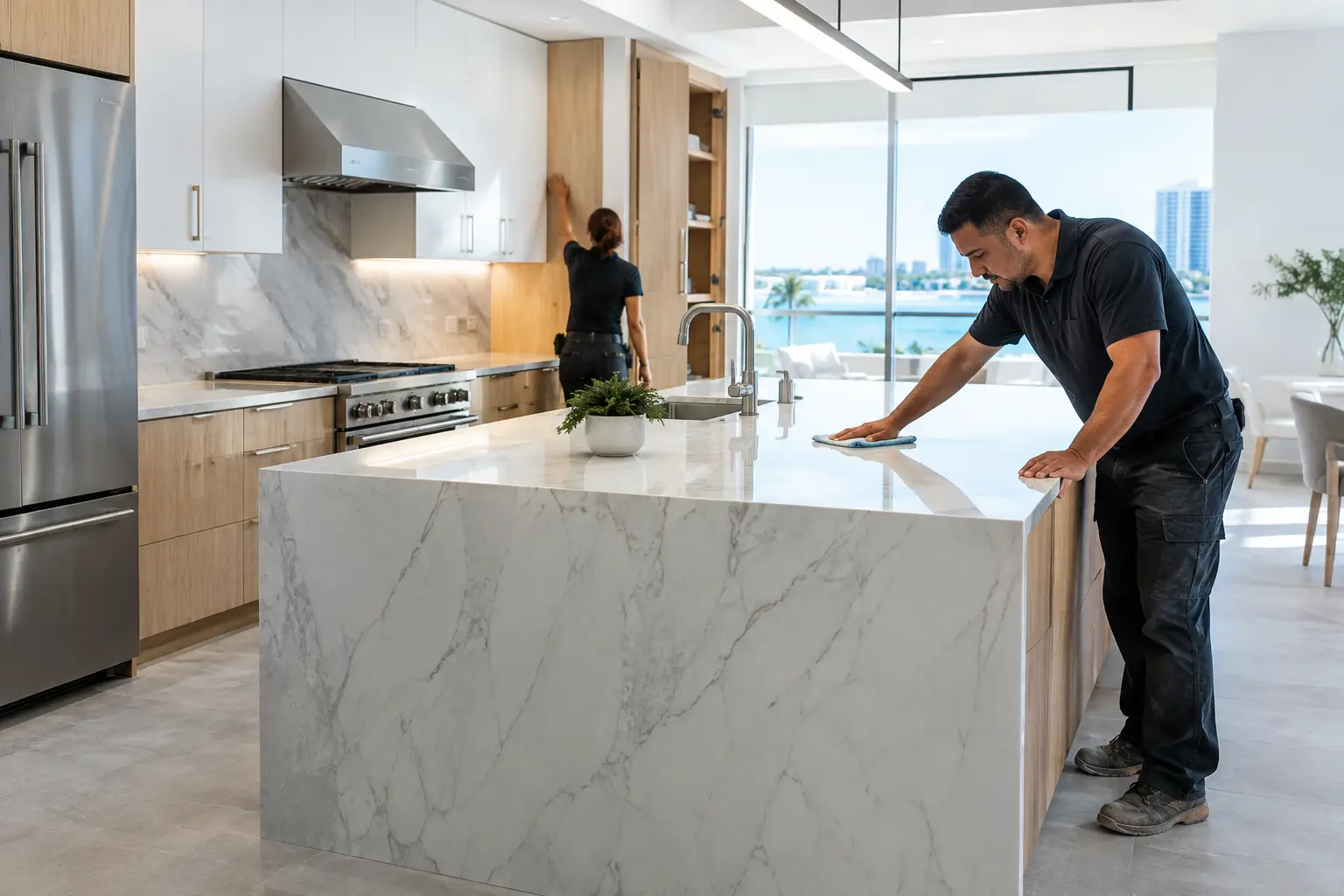
A vacant unit costs more than lost rent when small issues turn into move-in complaints. Effective property turnover services Miami owners and managers rely on are built around one goal: returning an apartment, rental home, condo, or commercial suite to clean, functional, market-ready condition without overlooking the details that create callbacks.
In South Florida, turnovers are rarely as simple as a fresh coat of paint. Humidity can expose drywall damage, bathroom caulking can fail, flooring can lift, and a rushed punch-out can leave a new tenant with a list of problems on day one. A well-managed turnover protects the condition of the property, supports better tenant experiences, and helps keep the next leasing cycle moving.
What a Complete Turnover Should Address
The right scope depends on the age of the unit, the outgoing tenant’s condition, and how quickly the property needs to be listed. Some properties need targeted repairs and cosmetic refreshes. Others need a more complete interior reset before they are ready to compete in Miami’s rental market.
A typical turnover may include drywall patching and finishing, interior painting, baseboard replacement, door and trim repairs, flooring installation or repair, kitchen and bathroom updates, fixture replacement, and detailed punch-out work. For a unit that has experienced water exposure, the first step is not paint. The source of moisture should be identified and corrected before damaged finishes are closed up or refinished.
The most valuable turnover work is often the work tenants do not immediately notice. Doors should close correctly. Cabinets should align. Baseboards should be secured and caulked where appropriate. Drywall patches should disappear under the final paint finish. These details shape whether a unit feels professionally maintained or merely rushed back onto the market.
The difference between a refresh and a renovation
A refresh is appropriate when the layout, major finishes, and core systems are in good condition. It may involve paint, repair work, new baseboards, selected flooring replacements, updated hardware, and bathroom or kitchen touch-ups. This approach is often the fastest way to improve presentation between leases.
A renovation makes more sense when repeated patching has stopped being cost-effective, the kitchen or bath is dated enough to affect rental appeal, or moisture damage has compromised multiple surfaces. In Miami-Dade, a larger interior remodeling scope may also involve permits and building approval procedures. That can be the right investment, but it should be planned around realistic timelines rather than a vacant-unit deadline alone.
Why Miami Turnovers Need a Different Eye
Miami interiors deal with conditions that affect both materials and scheduling. High humidity can slow drying times for joint compound, paint, and caulk. Bathrooms and kitchens need close attention around tubs, showers, sinks, and cabinetry because small leaks can damage drywall, baseboards, and adjacent flooring. In concrete-block buildings, repairs can also require different fastening methods and preparation than a typical wood-framed property.
Condo and HOA rules add another layer. Many buildings require a certificate of insurance, approved work hours, elevator reservations, contractor registration, or prior approval before work begins. Some limit noisy work, debris removal, or material deliveries. Owners and property managers who address these requirements early avoid the expensive problem of having a crew ready but unable to start.
Storm season should also influence turnover planning. Exterior access, material deliveries, and building operations can be disrupted by severe weather. While most turnover work is interior-focused, a smart schedule leaves room for weather-related delays and does not assume every vacant-unit project can be completed on a fixed, overly aggressive date.
A Practical Turnover Process That Prevents Surprises
A property turnover should begin with a detailed walkthrough, not a general request to “make it rent-ready.” During the walkthrough, each room is assessed for visible damage, wear, moisture concerns, incomplete prior repairs, and items that affect marketability. Photos and a written scope help establish what is included before materials are ordered or work begins.
The first phase is protection and repair. Damaged drywall, loose trim, failed caulk, worn flooring transitions, and visible wall imperfections should be addressed before final finishes. If there is evidence of moisture, that condition needs attention before installing new flooring or repainting. Covering a problem may improve photos for a week, but it does not protect the property.
Next comes the finish work. Paint colors should be selected for durability, touch-up practicality, and broad appeal. Neutral colors are often the better turnover choice, particularly in units with varied natural light. In high-traffic rentals, finish selection matters too. A quality washable wall paint and a clean semi-gloss or satin finish on trim can make future maintenance easier without making the space look overly commercial.
The final phase is punch-out. This is when the team checks the details: paint consistency, caulk lines, outlet covers, cabinet hardware, door operation, flooring transitions, trim joints, and visible cleanup. It is also the phase where small omissions are caught before the owner, manager, or incoming tenant finds them.
Cost Drivers Owners Should Plan For
Turnover pricing is tied to scope, condition, access, materials, and the level of finish expected. A vacant ground-floor apartment with straightforward paint and patch work is very different from a high-rise condo requiring scheduled loading access, approved work hours, and elevator coordination.
The largest cost drivers are usually damaged drywall, water-related repairs, flooring replacement, bathroom or kitchen repairs, custom trim needs, and work requiring permits or association approvals. Material choices can also shift the budget significantly. Luxury vinyl plank may be a practical option for many rentals because it handles normal wear well and offers a polished look, while tile repairs may require matching availability and more detailed labor.
Owners should be cautious about approving a low number before the unit has been properly evaluated. A vague allowance can create friction later when hidden damage, failed prior work, or building restrictions appear. A clear scope with identified assumptions is a better foundation for transparent pricing and a controlled project.
When Speed Matters, Coordination Matters More
Fast turnovers are possible when decisions are made early and the work is sequenced correctly. Waiting to choose flooring until after paint is complete, or discovering a condo approval requirement after demolition has started, can add unnecessary days. The goal is not to rush every trade into the unit at once. It is to organize the work so repairs, finishes, deliveries, and final touch-ups happen in the right order.
For property managers with multiple units, consistency is especially valuable. Standard paint colors, approved flooring selections, common baseboard profiles, and repeatable fixture choices simplify ordering and make future repairs easier. That does not mean every unit needs to look identical. It means the property has a maintenance standard that supports efficient operations and a polished presentation.
Property Turnover Services in Miami-Dade
JT Express Solutions Corp provides apartment turnovers, punch-out work, rental property improvements, and interior remodeling services for qualified projects in Miami-Dade County. Whether a unit needs focused cosmetic work or a more substantial interior transformation, the scope should fit the property’s condition, leasing goals, building requirements, and timeline.
For selected projects in Broward, Palm Beach, and other South Florida locations, interior improvement, finishing, maintenance, painting, drywall, flooring, and turnover services may be available based on project scope and local requirements.
A rental should feel ready before the listing photos are taken, not after a tenant moves in. Request an estimate from JT Express Solutions to review the condition of your unit, define a practical scope, and prepare an interior that supports the next lease with confidence.