What Defines a Luxury Kitchen Remodel in Miami?
By JT Express Solutions ·
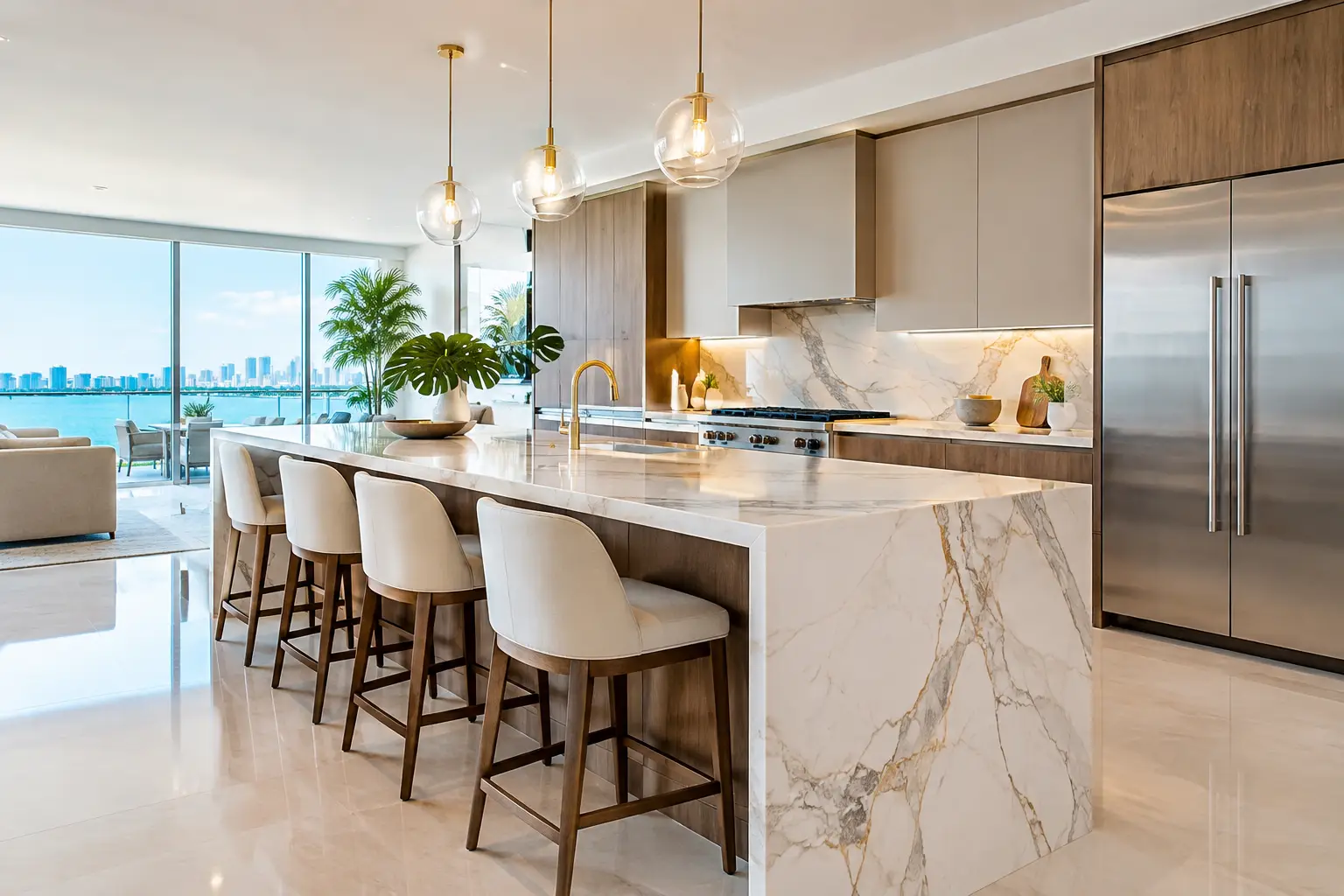
A kitchen can have expensive finishes and still feel ordinary. The difference is in how every decision works together: proportions, storage, lighting, material transitions, and the way the space supports real life. For a luxury kitchen remodel Miami homeowners can enjoy for years, the goal is not simply to select premium appliances or striking stone. It is to create a composed, highly functional room that feels effortless from the first cup of coffee to a full evening of entertaining.
Miami homes bring a distinct set of opportunities to that process. Bright natural light, open-concept living, coastal influences, high-rise constraints, and a preference for indoor-outdoor connection all affect what a successful kitchen should be. A thoughtful remodel respects those conditions while giving the home a more refined point of view.
Luxury Begins With a Better Plan
The most exceptional kitchens are resolved before demolition begins. A clear plan considers traffic patterns, sightlines from adjacent rooms, appliance placement, storage requirements, and the habits of the people who use the space every day. A family that cooks together needs a different layout than a Brickell condo owner who hosts intimate dinners, even if both prefer the same contemporary aesthetic.
This is why a kitchen island should not be treated as a default feature. In some homes, a large island becomes the social center and adds valuable prep space. In others, it narrows circulation or interrupts a cleaner galley layout. The right solution depends on the room’s dimensions and how it connects to the dining and living areas.
A well-considered plan also avoids one of the costliest remodeling mistakes: choosing finishes before the layout is settled. Cabinet elevations, appliance specifications, electrical needs, and plumbing locations should inform the design early. When these elements are coordinated from the start, the finished kitchen appears calm and intentional rather than assembled from separate ideas.
Design for Miami Light and Living
Miami light can be generous, but it is also revealing. It exposes uneven finishes, poorly chosen sheens, and material combinations that compete for attention. Natural stone, wood cabinetry, metal accents, and painted surfaces need to be selected with the home’s daylight and evening lighting in mind.
For many luxury residences, warmth is returning to the kitchen. Clean-lined cabinetry remains popular, but all-white rooms are increasingly balanced with walnut tones, textured oak, softly veined quartzite, satin brass, or bronzed details. These choices add depth without making the room feel heavy. In a modern condo, a quiet palette may preserve an expansive view. In a Coral Gables home, custom millwork and a more architectural range wall can complement traditional character.
The strongest designs do not follow one trend too closely. They use current ideas selectively, then anchor the room in materials and proportions that will remain appealing long after a particular finish has had its moment.
Custom Cabinetry Changes the Experience
Cabinetry is often the largest visual surface in a kitchen and one of its most consequential investments. Stock cabinets may work in a straightforward renovation, but they can leave awkward fillers, wasted corners, and limited options for appliance integration. In a luxury kitchen, bespoke cabinetry allows the room to be designed around the architecture and the homeowner’s routines.
That can mean full-height pantry storage, a concealed coffee station, deep drawers for cookware, pull-out spice storage, or a dedicated bar cabinet with integrated lighting. It can also mean carefully matching door profiles, paint finishes, and grain direction across visible panels. These details are not decorative extras. They reduce visual clutter and make daily use more intuitive.
There are practical trade-offs. Custom cabinetry typically requires a larger investment and a longer lead time than ready-made alternatives. It also demands meticulous field measurements and coordination with flooring, countertops, appliances, and wall conditions. When handled correctly, however, custom work eliminates the compromises that make an otherwise beautiful kitchen feel unfinished.
The Details That Separate Premium From Ordinary
Luxury is often recognized in the details homeowners do not immediately name. Cabinet doors align cleanly. Drawer interiors are organized. The range hood is proportioned to the room. The stone backsplash is carefully book-matched or composed with restraint. Outlet placement is planned so it does not interrupt the visual rhythm of the backsplash.
Hardware deserves the same attention. Knobs and pulls should feel substantial in the hand, suit the cabinet style, and coordinate with plumbing and lighting without becoming overly matched. A kitchen can combine finishes successfully, but each one should have a clear purpose. For example, polished nickel may suit faucets and task lighting while darker bronze gives an island or pantry a more tailored accent.
Appliance selection should be guided by use, not status alone. A serious cook may prioritize induction performance, ventilation capacity, refrigeration zones, and double ovens. A homeowner who entertains frequently may value an ice maker, beverage refrigeration, or discreet warming drawers. Integrated appliances offer a sculptural, furniture-like appearance, while professional-style units make a stronger visual statement. Neither is automatically better. The right choice is the one that supports the lifestyle and design direction of the home.
Materials Must Perform as Beautifully as They Look
Premium materials should be selected for both appearance and longevity. Miami’s humidity, frequent use, and bright conditions make performance particularly relevant. Natural quartzite can provide dramatic movement and remarkable durability, but it may require periodic sealing depending on the slab. Quartz offers consistent color and low maintenance, although it does not deliver the same organic variation as natural stone. Porcelain slabs can be an excellent option for homeowners who want a durable, contemporary surface with minimal upkeep.
The same balance applies to flooring. Large-format porcelain can create a clean, continuous appearance and holds up well to active households. Engineered wood introduces warmth and can soften a modern kitchen, but it requires the right product selection and careful protection from standing water. The best material is not the most expensive one. It is the one that fits the design, maintenance expectations, and conditions of the property.
Backsplashes are another opportunity to bring character into the room. A full-height stone slab creates a polished, architectural result, especially behind a range. Handcrafted tile adds texture and dimension, though its grout lines require more maintenance. In either case, precise installation matters. Premium materials lose their impact when seams, corners, or transitions are treated casually.
Lighting Should Support Every Hour of the Day
A luxury kitchen needs layered lighting because no single fixture can do every job. Recessed ceiling lights provide general illumination, pendants define an island or dining zone, and under-cabinet lighting makes prep work easier while creating a warmer evening atmosphere. Interior cabinet lighting can elevate glass-front displays, bar areas, and open shelving when used sparingly.
Controls are just as important as fixtures. Dimmers and thoughtfully grouped switches allow the kitchen to shift from bright morning activity to relaxed entertaining. Color temperature should be consistent throughout the room. Mixing warm and cool light sources can make even premium finishes look disjointed.
If the kitchen opens to a living room, lighting should be designed as part of the larger interior composition. The goal is to create distinction between zones without making the kitchen feel isolated from the home around it.
Execution Protects the Investment
An elevated design requires equally elevated project management. Remodeling involves a sequence of decisions and trades: demolition, framing, electrical, plumbing, cabinetry, countertops, tile, paint, flooring, and finishing. When the work is not carefully coordinated, delays and avoidable revisions can affect both the experience and the final result.
This is especially relevant in Miami condominiums, where building approvals, delivery restrictions, work-hour rules, elevator reservations, and insurance requirements may shape the schedule. In single-family homes, concealed conditions behind existing walls or changes to plumbing locations can influence scope. A dependable remodeling partner addresses these realities early, explains the implications clearly, and maintains direct communication as the project moves forward.
Transparent estimates are part of that confidence. Homeowners should understand what is included, where allowances apply, and which selections may change the overall investment. The lowest initial quote is not always the best value if it omits key finish work, project supervision, protection of adjacent spaces, or the craftsmanship needed for a precise installation.
JT Express Solutions approaches each kitchen as a complete interior project, pairing premium design direction with licensed, insured execution and attentive communication. The objective is not only to deliver a beautiful reveal, but to make the path to that reveal organized, accountable, and worthy of the home.
A lasting kitchen begins with an honest conversation about how you live, what you value, and where detail will make the greatest difference. Start there, and the materials, layout, and finishing touches can become something more meaningful than a renovation: a room that makes everyday life feel exceptionally considered.