Kitchen Cabinet Refinishing Near Me in Miami
By JT Express Solutions ·
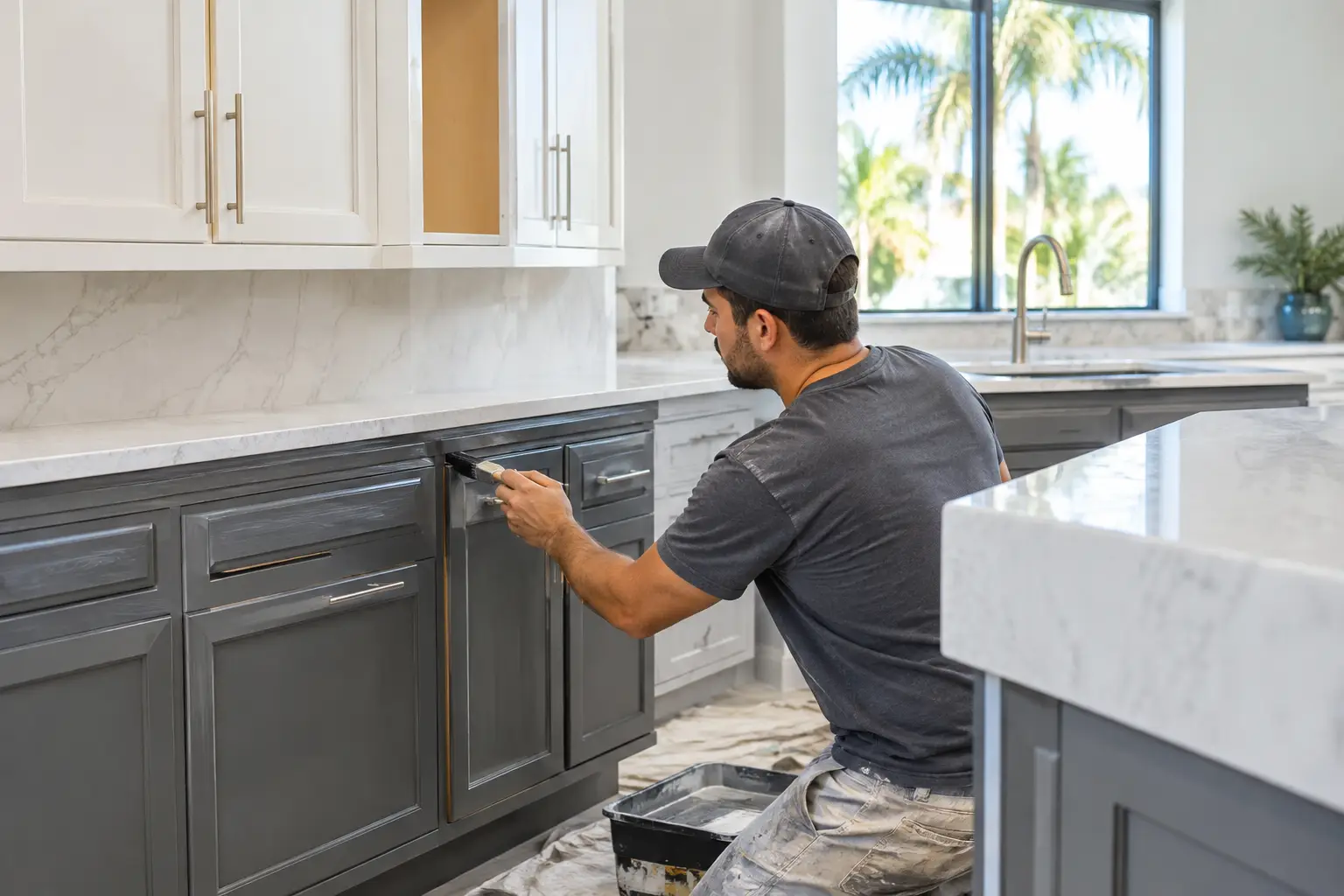
A kitchen can feel dated even when the layout still works. Yellowed white doors, chipped paint around the pulls, dark stain that absorbs light, and worn cabinet boxes can pull attention away from otherwise beautiful stone, tile, and flooring. When you search for kitchen cabinet refinishing near me, the right result is not simply a painter with a spray gun. It is a team that can assess what your cabinets are made of, how they have held up in South Florida humidity, and whether refinishing will deliver the polished transformation you expect.
For many Miami-Dade homes, condos, rentals, and investment properties, cabinet refinishing is the most efficient way to create an extraordinary kitchen without taking on the expense and disruption of a full cabinet replacement. It can turn a tired room into a brighter, more current living space while preserving a layout that already functions well.
When Kitchen Cabinet Refinishing Makes Sense
Refinishing works best when the cabinet boxes are structurally sound, doors close correctly, and there is no widespread water damage. Solid wood cabinets and quality wood veneer cabinets are often strong candidates. With proper surface preparation, they can be refinished in a clean painted color, refreshed in a similar stain, or updated with new hardware for a more tailored look.
It is also a practical choice when the kitchen footprint is staying the same. If you like your storage, appliance locations, and countertop layout, refinishing focuses the budget on the visible surfaces that define the room. For landlords and property managers, it can be an effective part of a turnover scope when cabinets are functional but no longer present well to prospective tenants.
The trade-off is that refinishing cannot correct every cabinet problem. Particleboard boxes swollen from sink leaks, delaminating thermofoil doors, deeply warped panels, or failing hinges may need repair or replacement before a finish is applied. A good site visit should identify these conditions early rather than covering them with a fresh coat of paint and hoping they disappear.
What to Expect From Kitchen Cabinet Refinishing Near Me
A durable cabinet finish begins long before the final color goes on. Kitchen cabinetry collects cooking residue, hand oils, cleaning-product film, and moisture around the sink and dishwasher. Skipping careful preparation is one of the main reasons painted cabinets begin to chip, peel, or show rough texture too soon.
The process generally starts with an on-site review of the cabinet construction, door style, condition, and surrounding finishes. The contractor should discuss whether the goal is a painted finish, a stain refresh, a color change, or a larger cosmetic update that includes new pulls, hinges, backsplash, countertops, trim, or interior painting.
Doors and drawer fronts are typically removed, labeled, and prepared separately so they can be coated evenly. Cabinet frames are protected and prepared in place. Surfaces are cleaned thoroughly, repaired where needed, sanded or mechanically abraded, and primed with products suited to the substrate. The finish system matters. Cabinets need a coating designed to handle repeated wiping, opening, closing, and kitchen moisture, not the same wall paint used in a bedroom.
After coating and reassembly, doors and drawers should be adjusted so reveals are even and hardware sits straight. That final alignment is a small detail, but it is part of what separates a quick cosmetic job from a kitchen that feels intentional and upscale.
Painted cabinets versus stain refinishing
A painted finish is often the most dramatic update. Warm white, soft greige, muted sage, charcoal, and deep blue can reshape the entire mood of a kitchen. Painted finishes are especially useful when different wood tones, minor cosmetic repairs, or dated orange and red undertones are distracting from the design.
Stain refinishing keeps more of the wood character visible. It may suit cabinetry with attractive grain and a style that still belongs in the home. However, changing stain from very dark to very light can be labor-intensive, and not all doors accept a new stain evenly. Wood species, previous coatings, sun exposure, and old repairs all affect the result.
A consultation should be honest about these limits. A sample or test area can help confirm how a selected color or stain will look under the kitchen's actual lighting before the full scope moves ahead.
South Florida Conditions Change the Preparation
Miami kitchens ask more of their finishes than kitchens in drier climates. Humidity can slow cure times, and moisture problems under a sink or near an exterior wall can damage cabinet materials before they become obvious. If cabinets sit on a concrete slab, water intrusion, leaking plumbing, or failed caulking at nearby openings should be addressed before refinishing begins.
Ventilation and scheduling matter as well. A kitchen needs controlled conditions for cleaning, sanding, priming, and curing. During storm season, a project team should protect interior work areas from wind-driven rain and avoid leaving a home vulnerable while doors or hardware are removed. The goal is not to rush the process, but to sequence it so the finish has the time and conditions it needs to perform.
Condo owners should also plan for building rules. Many Miami-Dade buildings require advance notice for contractors, approved work hours, elevator reservations, insurance documentation, and protection of common areas. Some associations restrict noisy work or require a specific procedure for debris removal. These requirements can affect scheduling even on a cabinet-only project, so it is wise to review them before materials are ordered.
The Details That Drive the Cost
Cabinet refinishing costs depend far more on condition and scope than on the number of doors alone. A compact kitchen with flat-front doors in good shape is a different project from a large kitchen with raised panels, glass inserts, extensive damage, or multiple colors.
The main cost drivers include the cabinet material, number of doors and drawers, level of sanding and repair, finish selection, hardware replacement, masking requirements, and access conditions. An occupied condo on an upper floor may require more coordination than a single-family home with easy work access. Adding drywall repair, wall painting, backsplash work, baseboards, or countertop removal also changes the project scope and sequence.
Be cautious with estimates that offer one simple price without inspecting the cabinets. A clear estimate should explain what is being refinished, how surfaces will be prepared, what repairs are included, whether doors will be removed, and which related items are excluded. That clarity helps prevent surprises once work begins.
Choosing a Finish That Holds Up and Looks Right
The best cabinet color is not always the color that is trending online. Miami homes often have strong daylight, glossy tile, warm flooring, and open living areas that change how paint reads throughout the day. A crisp white can look elegant with cool marble-look surfaces but feel stark beside creamy porcelain flooring. A warm neutral may create a softer, more cohesive result.
Hardware is equally influential. Brushed nickel, satin brass, matte black, and polished chrome each shift the personality of the cabinetry. Pull size should fit the door and drawer scale, while new holes should be planned carefully to avoid unnecessary patching. If aging hinges are visible or doors no longer sit square, that should be part of the discussion rather than an afterthought.
For rentals, durability and easy touch-up may take priority over a highly customized finish. For an owner-occupied kitchen intended as a centerpiece of the home, it may be worth coordinating cabinet color with a new backsplash, upgraded lighting, and carefully selected hardware to create a more complete masterpiece.
A Practical Timeline for an Occupied Kitchen
Most refinishing projects require planning around limited kitchen access. Preparation, coating, drying, curing, and reinstallation are separate steps, and the exact duration depends on cabinet count, repairs, building rules, weather conditions, and the finish system selected. The kitchen may remain partially usable at certain stages, but homeowners should expect some inconvenience and keep daily essentials accessible elsewhere.
Before work begins, clear cabinets and countertops, remove fragile items from nearby areas, and make arrangements for pets and children to stay away from active work zones. Ask how dust containment, floor protection, ventilation, and daily cleanup will be handled. These operational details protect the rest of the home and make the renovation feel organized rather than disruptive.
Start With a Cabinet Assessment
A cabinet finish should make the kitchen look renewed, not temporarily covered. The right approach balances the visual goal with the reality of the existing doors, boxes, moisture exposure, and building requirements.
JT Express Solutions can assess your kitchen cabinetry, discuss refinishing alongside related interior improvements, and provide a clear estimate for projects in Miami-Dade County. Bring photos, inspiration colors, and any condo or HOA requirements to the consultation. A thoughtful assessment is the first step toward a kitchen that feels fresh, refined, and ready for the way you live.