Investment Property Renovation That Pays Off
By JT Express Solutions ·
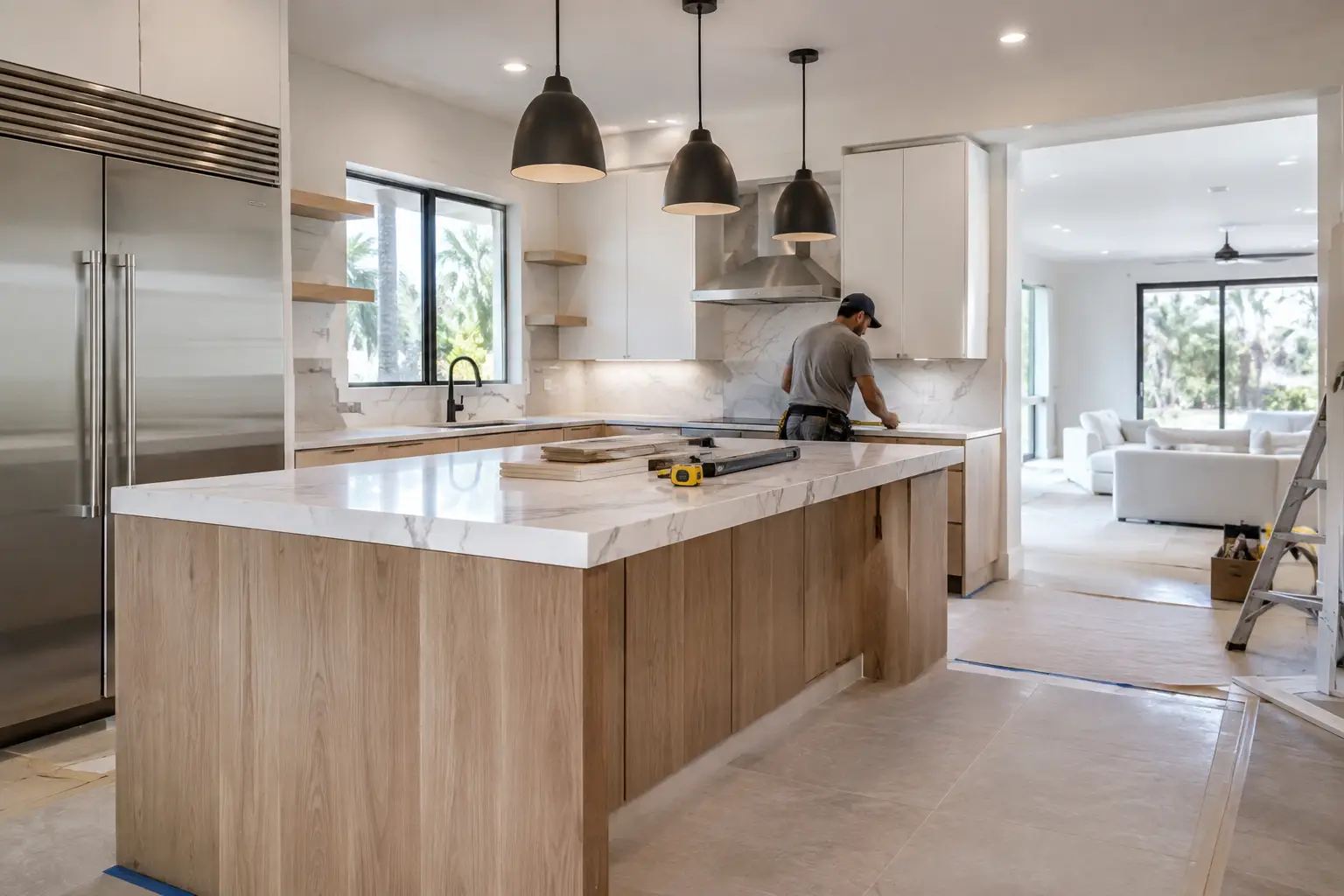
A vacant rental can lose money every day it sits unfinished, but overspending on upgrades can weaken returns just as quickly. A successful investment property renovation is not about making every room look expensive. It is about making smart improvements that help the property rent faster, operate more reliably, and remain competitive for the right tenant or buyer.
For Miami-Dade owners and property managers, that usually means balancing clean, modern finishes with materials that can handle humidity, frequent turnovers, and everyday use. The best renovation plan starts with the property’s financial goal, then directs the budget toward the changes that support it.
Start With the Property’s Real Objective
Before selecting tile, paint colors, or cabinetry, decide what the renovation needs to accomplish. A long-term rental, a unit being prepared for sale, and an apartment turnover may all need interior work, but their priorities are different.
A rental intended to attract stable, long-term tenants should emphasize durability, easy maintenance, and a cohesive appearance. A sale-focused renovation may justify more attention to kitchen presentation, bathroom finishes, and details that photograph well. For a quick turnover, the priority is often correcting visible wear, completing punch-out items, and delivering a clean, move-in-ready unit without reopening systems that do not need work.
This distinction prevents a common investor mistake: applying the same scope to every property. A full kitchen replacement may be worthwhile in one unit, while new cabinet hardware, a refreshed countertop, updated lighting, and professional painting may produce a better return in another.
Build an Investment Property Renovation Budget Around Priorities
The most profitable budgets are not simply the lowest budgets. They are organized around what protects the asset and what prospective tenants or buyers notice first.
Begin with issues that affect safety, function, moisture control, or the condition of surrounding finishes. Water-damaged drywall, deteriorated flooring, poorly finished repairs, and worn bathroom surfaces can make an otherwise attractive unit feel neglected. Addressing these items early also helps prevent small problems from becoming larger and more disruptive repairs.
Next, focus on high-visibility spaces. Kitchens, bathrooms, flooring, walls, doors, trim, and lighting shape a person’s first impression of a property. These areas often determine whether a prospective tenant sees the unit as clean and current or decides to keep looking.
Reserve part of the budget for conditions discovered after work begins. Older buildings can reveal concealed wall damage, uneven substrates, prior patchwork, or plumbing-related deterioration once finishes are removed. A transparent estimate should identify the planned scope while explaining how unforeseen conditions will be reviewed before additional work moves forward.
Spend Where Tenants Feel the Difference
In many rental properties, a practical kitchen refresh delivers strong visual impact without requiring a complete redesign. Depending on the existing layout and condition, improvements may include cabinet replacement or refinishing, new hardware, durable counters, backsplash updates, improved lighting, and fresh wall finishes. Keeping a functional layout can reduce disruption and preserve more of the budget for quality materials.
Bathrooms deserve the same focused approach. A dated vanity, stained grout, damaged drywall, poor caulking, and tired fixtures can undermine the whole unit. Updated vanities, modern lighting, clean tile work, refreshed paint, and spa-like finishes can make a compact bathroom feel substantially more inviting. The right scope depends on whether the existing surfaces are sound and whether moisture damage needs to be corrected first.
Flooring is another decision with an outsized effect. For many South Florida rentals, durable, water-resistant flooring with a consistent look across living areas can simplify maintenance and improve the sense of space. Material selection should account for the building, subfloor condition, expected traffic, and the level of sound control required. The least expensive material is not always the least expensive ownership decision if it scratches, lifts, or needs replacement after a short period.
Avoid Improvements That Outrun the Market
An investment property should feel well finished, not overbuilt for its rent range or neighborhood. Highly specialized layouts, fragile finishes, and design choices that appeal only to a narrow audience can be difficult to justify in a rental.
Neutral, warm color palettes, straightforward cabinetry, durable hardware, and easy-to-clean surfaces tend to serve a broader pool of prospects. That does not mean making the property bland. Thoughtful contrast in a backsplash, vanity, feature wall, or lighting package can create a polished result without tying the space to a short-lived trend.
Plan the Scope Before the Unit Is Vacant
Vacancy is often the best time to complete interior improvements, but it should not be the first time the scope is discussed. Owners who inspect the unit before a tenant moves out can identify likely repairs, order materials early, and schedule work with less pressure.
A useful walkthrough looks beyond obvious cosmetic damage. Check drywall around bathrooms and kitchens, baseboards near exterior walls or wet areas, flooring transitions, door operation, paint condition, cabinetry, and trim. Documenting the starting condition helps define the scope and gives property managers a clearer record for turnover planning.
Material availability also matters. A renovation schedule can be affected by cabinet lead times, tile selection, flooring quantities, fixture availability, and building access rules. Choosing materials after demolition begins can create avoidable gaps in the work. For occupied buildings or apartment communities, coordinate delivery windows, elevator reservations, parking, and debris procedures in advance.
Know When Permits and Building Rules Affect the Work
Cosmetic interior work and more extensive remodeling do not follow the same process. In Miami-Dade County, permit requirements can depend on the scope, building type, and changes being made. Work involving layout changes, plumbing, electrical systems, or other regulated components may require approvals and inspections.
Condominium and multifamily properties may also have association rules that affect work hours, insurance documentation, material transport, noise, and contractor access. These requirements can shape the schedule as much as the physical renovation itself.
The practical approach is to define the work clearly before it begins and confirm the applicable project requirements. A qualified remodeling team can help owners understand the scope, coordinate interior work professionally, and avoid treating a larger renovation like a simple cosmetic refresh.
Choose Finishes for Turnovers, Not Just Photos
A listing photo should be appealing, but the unit must also hold up after move-in. This is where workmanship and finish selection matter together. Crisp drywall finishing, properly installed baseboards, clean paint lines, secure flooring transitions, and durable caulk work may seem like small details, yet they influence how the property ages between tenants.
Paint is a good example. A consistent interior color plan makes touch-ups easier and keeps future turnover work more efficient. Selecting a finish that is appropriate for the room helps walls stay cleaner while preserving a refined appearance. In bathrooms and kitchens, proper preparation is as important as the final coat because humidity can expose shortcuts quickly.
The same principle applies to trim and hardware. Standardizing door levers, cabinet pulls, light fixtures, and paint colors across a portfolio can make replacement and maintenance easier. For a single investment property, consistency still creates a more intentional look and reduces future guesswork.
Work With a Contractor Who Understands Rental Timelines
Investment renovations move best when communication is direct and the scope is organized. Owners and property managers need to know what work is planned, what materials are needed, what conditions may affect cost, and when the unit can reasonably be ready for the next stage.
Look for a remodeling partner that provides clear estimates, pays attention to finish quality, and understands the difference between a full renovation and a targeted turnover. In Miami-Dade, JT Express Solutions helps investors, landlords, and property managers with interior remodeling, kitchens, bathrooms, flooring, painting, drywall repair, trim, and rental property improvements designed around the property’s practical goals.
The right investment property renovation does more than update a unit for the next listing. It gives the owner a cleaner operating plan, gives tenants a home they are more likely to value, and gives the property a stronger position in a competitive market. If you are preparing a rental, turnover, or value-focused interior renovation, request an estimate early enough to make decisions with confidence.