Property Turnovers That Protect Rental Value
By JT Express Solutions ·
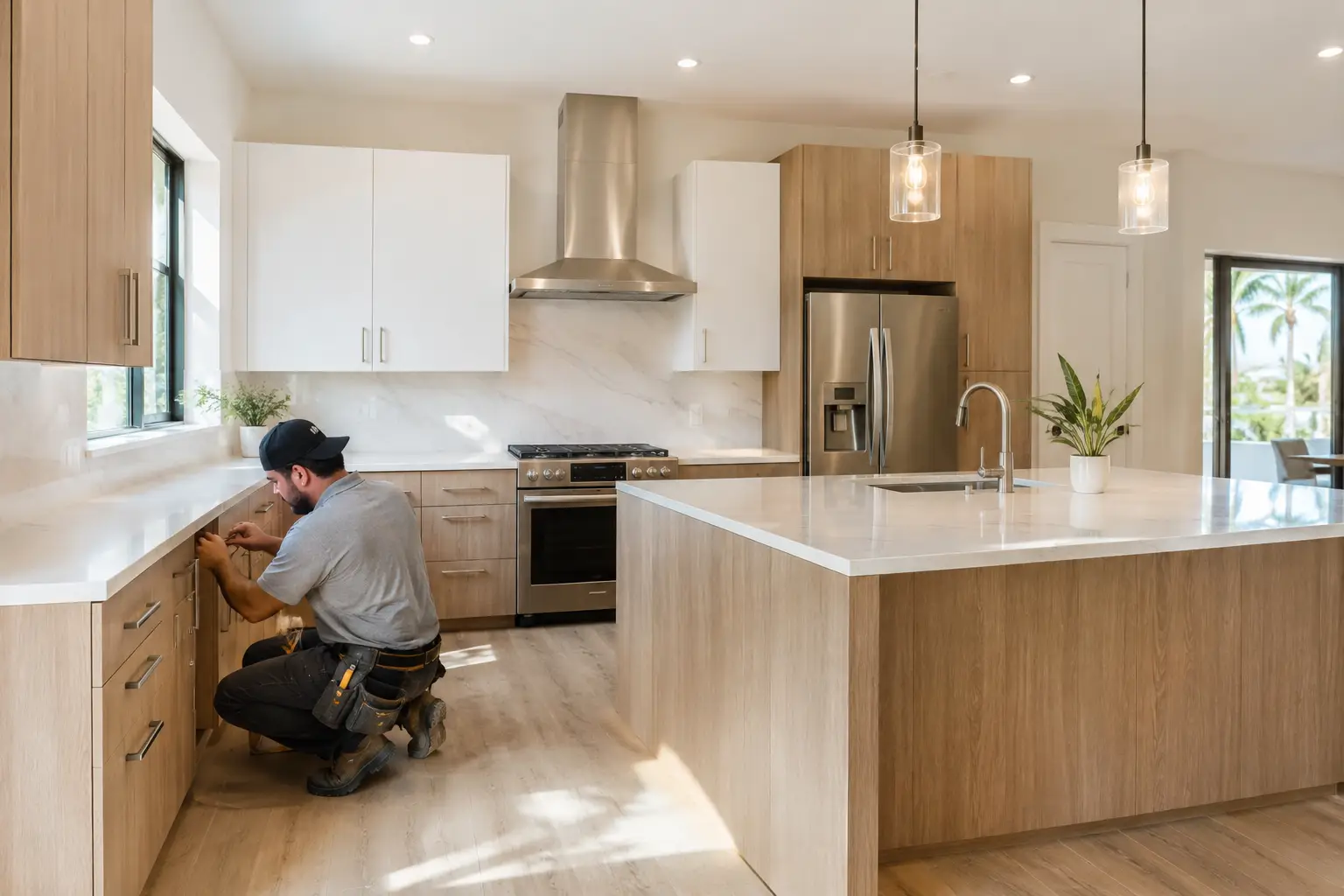
A vacant unit can lose money long before it sits empty for a month. In South Florida, property turnovers are not just about fresh paint and a quick cleaning. They are the short, critical window to correct moisture damage, worn flooring, failing caulk, damaged drywall, and incomplete punch-out items before the next resident or tenant sees them.
For landlords, investors, property managers, and apartment communities, the objective is simple: return a clean, functional, well-finished space to the market without paying twice for rushed work. The right scope depends on the unit's condition, the building rules, and how long you expect the next tenant to stay.
Start With a Turnover Walk-Through, Not a Work Order
The fastest way to create expensive surprises is to authorize work from photos alone. A proper walk-through should separate ordinary wear from repairs that need immediate attention. It should also identify work that is visible to a prospective tenant, such as chipped baseboards, stained ceilings, loose cabinet hardware, cracked tile, and poor paint touch-ups.
In Miami-Dade rentals, moisture deserves special attention. Air conditioning condensation, plumbing leaks, shower failures, and wind-driven rain can leave damage behind walls or beneath flooring. A brown ceiling spot may be old, but it should still be checked for an active source before it is sealed and painted. Covering a problem without correcting it can lead to another vacancy, a complaint, or a larger repair later.
A useful turnover scope records each item by room, notes whether it is a repair or replacement, and identifies any building approval or access requirement. For condos, that can include approved work hours, elevator reservations, proof of insurance requests, debris rules, and flooring sound-control requirements. Those operational details often determine whether a turnover stays on schedule.
What a Complete Property Turnover Usually Includes
A turnover is not always a full renovation. Many units need targeted interior improvements that make the space feel cared for and move-in ready. The strongest results come from coordinating the work in the right order, rather than sending separate trades in at random.
Walls, Ceilings, and Paint
Drywall repair should happen before painting, including nail holes, door-handle impacts, settling cracks, damaged corners, and water-stained areas after the source has been addressed. In concrete-block buildings, repairs may involve a mix of drywall, plaster, skim coating, and patching around openings. Matching the wall texture matters as much as applying a fresh coat of paint.
For rental units, a quality interior paint system with washable finishes is usually a better value than the lowest-cost option. Flat paint can look clean at turnover, but it marks easily in hallways and high-touch areas. Eggshell or satin is often more practical for walls, while the best sheen still depends on the surface condition and the look of the property.
Flooring, Baseboards, and Trim
Flooring is one of the first things a new tenant notices. Scratched laminate, lifting vinyl planks, cracked tile, and uneven transitions immediately make a unit feel neglected. In humid South Florida interiors, material selection and preparation both matter. Flooring installed over a damp or uneven substrate is more likely to fail, regardless of how attractive it looked on day one.
When replacing flooring, plan baseboards and door transitions as part of the same scope. Reusing damaged trim around new floors can undercut the finished look. New or repaired baseboards, properly caulked and painted, give a unit a sharper, more complete presentation for a relatively controlled investment.
Kitchens and Bathrooms
Kitchen and bath turnovers often come down to condition rather than age. A cabinet box may be serviceable while the doors need adjustment, hardware needs replacement, and the sink caulk has failed. In bathrooms, loose toilet bases, cracked grout, deteriorated silicone, swollen vanity panels, and soft drywall near a shower should never be treated as cosmetic details only.
A focused bathroom refresh can include drywall repairs, vanity replacement, fixture updates, tile repairs, fresh grout where appropriate, and moisture-resistant finishing around wet areas. For units with dated but functioning kitchens, new cabinet hardware, durable countertop replacement, backsplash repairs, painting, and better lighting can make a major difference without expanding into a full remodel.
Sequence Work to Avoid Rework
Turnover schedules get delayed when the work is performed out of order. Repairs involving plumbing access or wall openings should happen before drywall finishing. Drywall should be repaired before paint. Flooring should be protected from overhead work and installed after messy repairs are complete. Final hardware, touch-up paint, and detailed punch-out work belong near the end.
This sequence sounds basic, but it prevents common waste: repainting a wall after a cabinet repair, damaging new floors while moving materials, or scheduling a cleaner before caulk and paint have cured. A coordinated scope also gives property managers a clearer picture of what is actually holding up the unit.
For occupied-to-vacant transitions, access can be as important as labor. Confirm key handoff, parking, loading access, elevator rules, utility status, and any condo association requirements before the start date. A contractor waiting on building clearance is not a contractor making progress.
Decide What to Repair and What to Replace
The repair-versus-replace decision should be based on lifecycle cost, not just the lowest immediate invoice. A small drywall repair is usually sensible. Repeated repairs to water-damaged bathroom cabinetry may not be. A few replaceable vinyl planks can be a practical fix, while widespread flooring movement may point to a substrate or moisture issue that needs a broader solution.
Consistency also protects rental value. If a property has several units, standardizing paint colors, baseboard profiles, cabinet pulls, flooring selections, and fixture styles makes future property turnovers faster. It simplifies touch-ups, reduces material mismatch, and helps the portfolio present as professionally managed.
That does not mean every unit needs the same level of finish. A luxury condo, a workforce apartment, and a small commercial suite have different expectations. The right finish level should match the location, target tenant, lease rate, and anticipated hold period. Spend where the tenant will feel the difference: clean walls, reliable bathrooms, durable flooring, good lighting, and crisp finishing details.
Plan for Permits and Building Rules Early
Cosmetic work such as interior painting, minor drywall repair, baseboard replacement, and certain flooring updates may have a straightforward path, but project requirements vary. Work involving plumbing, electrical changes, altered layouts, or other regulated scope may require permits and inspections. In Miami-Dade, permit timelines can affect a unit's return-to-market date, especially when the work extends beyond finishing items.
Condo and HOA approval can be a separate issue from permitting. Some associations require contractor documents, work-hour restrictions, floor protection, and approvals before materials arrive. The best time to identify those requirements is during the initial turnover assessment, not after a tenant has already been promised a move-in date.
Build a Scope That Keeps Pricing Clear
A clear estimate should describe the rooms, materials, preparation, repair limits, and finish work included. It should also state what may require further review after demolition or material removal. Hidden conditions are possible in any turnover, particularly behind vanities, beneath flooring, or around prior water damage. Clear communication does not eliminate surprises, but it prevents them from becoming arguments.
For property managers, photos before, during, and after work help document condition and simplify owner reporting. They are also useful when distinguishing tenant damage from normal wear. The goal is not paperwork for its own sake. It is a smoother decision process when several people are responsible for the unit.
JT Express Solutions helps Miami-Dade owners and managers organize interior turnover scopes that balance appearance, durability, and practical scheduling. For selected South Florida projects, the appropriate scope may be painting, drywall finishing, flooring, trim, punch-out work, or other interior improvements based on the property and local requirements.
A well-run turnover should leave the next tenant noticing the space, not the repairs. Request an estimate or consultation before the vacancy window starts, so the unit can return to the market looking intentional, clean, and ready for its next chapter.