Apartment Turnover Miami That Protects Your Rental
By JT Express Solutions ·
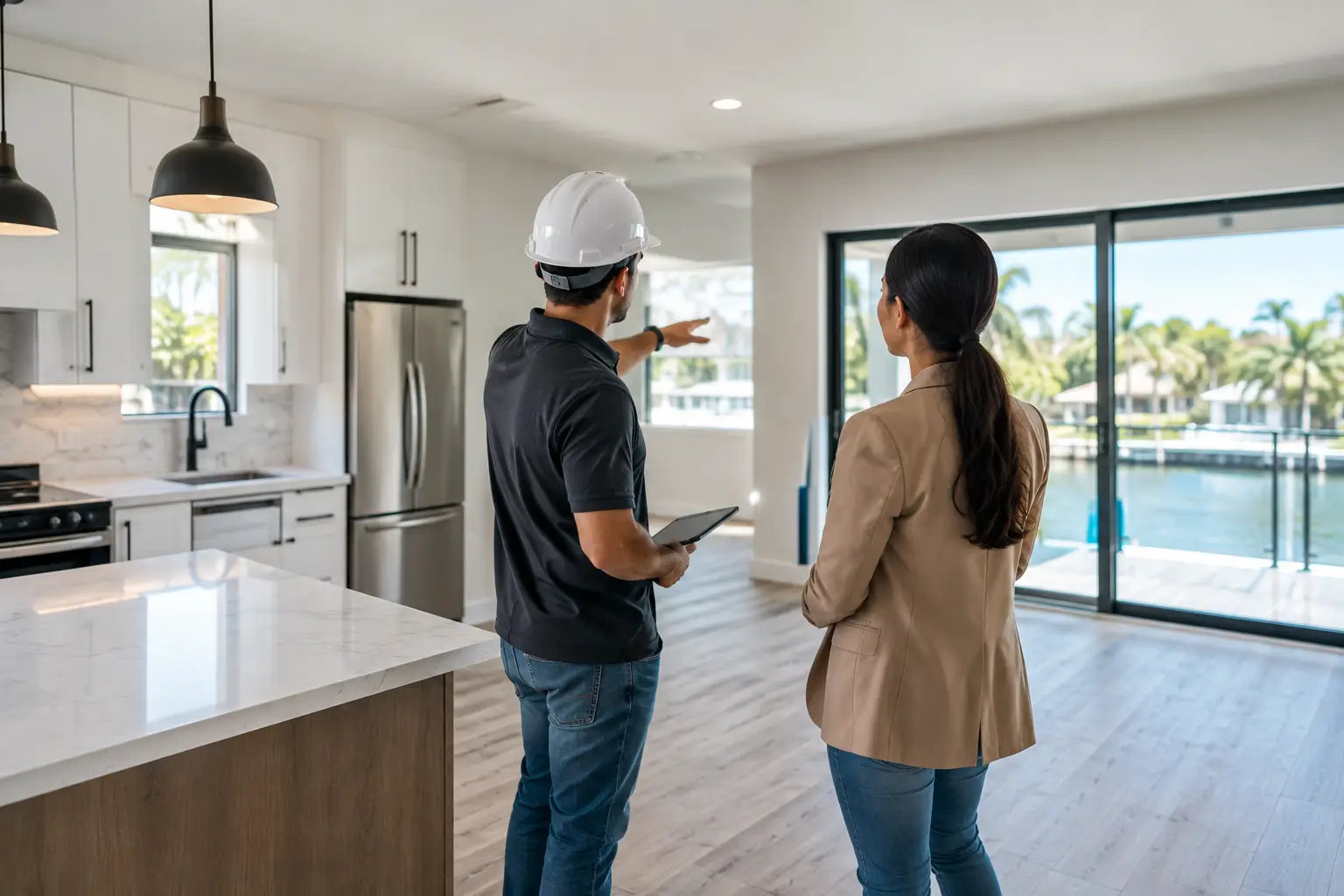
A vacant apartment is not simply an empty unit. It is a paused revenue stream, a scheduling challenge, and a new resident’s first impression waiting to happen. A well-managed apartment turnover Miami project brings the unit back to market with clean finishes, functional details, and a clear scope that avoids last-minute surprises.
For Miami-Dade landlords, investors, and property managers, turnover work often moves quickly. The goal is not to renovate every unit the same way. It is to make smart improvements based on the lease cycle, the property’s market position, the unit’s condition, and the time available before the next move-in. JT Express Solutions helps organize that process through dependable interior repairs, finishing work, and rental-ready improvements.
What a Successful Apartment Turnover Includes
A strong turnover starts with an honest assessment after the prior resident has moved out. Some units need only paint touch-ups, cleaning coordination, and minor punch-out work. Others reveal water-damaged drywall, worn flooring, dated baseboards, damaged cabinet hardware, or bathrooms that need more meaningful attention before they can be shown with confidence.
The right scope depends on what will protect the property and support the next lease. Repainting a unit can make sense when the walls are sound and the finish is simply marked or faded. Replacing flooring may be the wiser investment when worn carpet, lifting vinyl, cracked tile, or heavily scratched surfaces make the apartment feel neglected. A quick fix that must be redone after the next tenant moves in is rarely the most economical choice.
A typical turnover may include interior painting, drywall repair and finishing, flooring installation, baseboard replacement, trim work, cabinet and door adjustments, caulking, fixture updates, and a detailed punch-out list. When several of these items are planned together, the finished unit feels intentional rather than patched from one vacancy to the next.
Apartment Turnover Miami Priorities for Rental Owners
Miami rentals face conditions that can accelerate interior wear. Humidity, frequent rain, sand tracked in from outside, high tenant turnover in some neighborhoods, and the demands of seasonal leasing all affect maintenance planning. Bathrooms, kitchens, entry areas, and laundry spaces deserve particular attention because moisture and daily use show up there first.
Start with the Issues That Affect the Next Resident
Not every item carries the same urgency. Wall damage, loose trim, stained ceilings, deteriorated caulk, damaged flooring, and doors that do not close correctly can affect how a prospective tenant views the entire apartment. These details also create more work later if they are ignored between leases.
It is useful to separate turnover items into three groups: necessary repairs, marketability improvements, and future upgrades. Necessary repairs address visible damage and functionality. Marketability improvements may include fresh neutral paint, updated baseboards, consistent hardware, or better-looking flooring. Future upgrades are items that are worth budgeting for but may not need to delay the next lease, such as a full kitchen refresh in an otherwise functional unit.
This approach keeps decisions practical. A landlord does not need to transform every vacant apartment into a full remodel. But the unit should feel clean, cared for, and ready for the renter the property is trying to attract.
Choose Materials for Repeat Use, Not Just First Impressions
Rental finishes need to look good and hold up under normal use. For flooring, the best choice depends on the property, the room, the existing subfloor, and the target tenant. Durable vinyl plank is often a practical option for many interiors because it offers a clean appearance and handles everyday traffic well. Tile can be a strong choice in moisture-prone areas, although replacement and grout maintenance should be considered. Flooring transitions and proper installation matter as much as the material itself.
For walls, durable paint in appropriate finishes can make future touch-ups easier. Neutral, consistent colors also simplify maintenance across multiple units and help apartments photograph well for listings. In kitchens and baths, properly finished drywall, secure cabinetry, refreshed caulk, and clean edges can do more for the unit’s appearance than a collection of mismatched cosmetic changes.
The best material is not always the least expensive one upfront. It is the one that balances appearance, maintenance needs, replacement cost, and the type of tenancy the property experiences.
Build the Scope Before Work Begins
Turnovers lose time when the scope is unclear. A property manager may request paint and flooring, then discover damaged drywall behind furniture marks or failed caulk around a tub once work begins. Some discoveries are unavoidable, but many delays can be reduced with a thorough walkthrough and documented punch list before scheduling labor and materials.
A useful turnover walkthrough looks beyond the obvious. Check walls and ceilings for stains or cracks, inspect baseboards and door casings, test interior doors and cabinet operation, review flooring edges, and look closely at bathrooms and kitchens for finish failures. Take note of items that require owner approval versus items that can be handled as standard maintenance.
For larger improvements, the scope should also account for building access rules, elevator reservations, approved work hours, material deliveries, and any association requirements. Depending on the project, permits or local approvals may apply. Planning for those details early helps protect the schedule and keeps the work organized.
Coordinate Trades in the Right Order
The sequence of interior work affects both quality and timing. Drywall repair and sanding should be completed before final painting. Flooring installation generally needs to be coordinated with baseboards, transitions, and painting touch-ups. Cabinet, trim, and hardware adjustments often come after the primary repair work so they are not damaged by other tasks.
Trying to rush every trade into the unit at once can create avoidable problems: paint splatter on new flooring, damaged trim, repeated cleaning, or incomplete punch-out items. A focused schedule is usually faster than a crowded one. Clear communication also gives the property manager a more accurate picture of what is complete, what is pending, and what requires a decision.
When a Turnover Should Become a Larger Update
There comes a point when repeated spot repairs cost more than a coordinated refresh. If a unit has several patched walls, inconsistent flooring, worn baseboards, old paint colors, and dated bathroom finishes, a broader interior improvement may help improve rental appeal and reduce recurring maintenance calls.
That does not automatically mean a complete renovation. Sometimes the right middle ground is new flooring throughout, fresh paint, drywall restoration, modern baseboards, improved lighting, and targeted kitchen or bathroom updates. These changes can give an older apartment a more cohesive, move-in-ready look without expanding the project beyond the property’s goals.
For owners of multiple units, creating a repeatable finish standard can be especially helpful. Selecting a consistent wall color, flooring family, baseboard profile, and hardware style makes future turnovers easier to estimate and manage. It also supports a more recognizable look across the building or portfolio.
What Property Managers Should Expect From a Turnover Partner
A dependable turnover contractor should help make the process clearer, not more complicated. That means defining the work scope, identifying visible concerns, discussing material options, and providing transparent estimates before work moves forward. It also means respecting occupied-property procedures, common-area rules, and the deadlines tied to leasing activity.
Communication matters just as much as craftsmanship. Property managers need to know when a unit is ready for an inspection, whether an unexpected condition affects the budget, and what remains on the final punch list. A finished apartment should not leave behind loose ends that delay photography, showings, cleaning, or move-in.
JT Express Solutions provides apartment turnover, punch-out, painting, drywall, flooring, trim, and interior improvement services for qualified projects in Miami-Dade County. For properties in Broward, Palm Beach, and other South Florida locations, selected cosmetic, finishing, maintenance, and turnover services may be available based on project scope and local requirements.
A vacancy is a chance to reset the standard of the unit. With a thoughtful scope, durable finishes, and a team that respects the schedule, the next resident can walk into a space that feels cared for from the first showing. Contact JT Express Solutions to discuss your upcoming turnover and request an estimate that fits your property’s needs.