Commercial Painting Miami That Holds Up Well
By JT Express Solutions ·
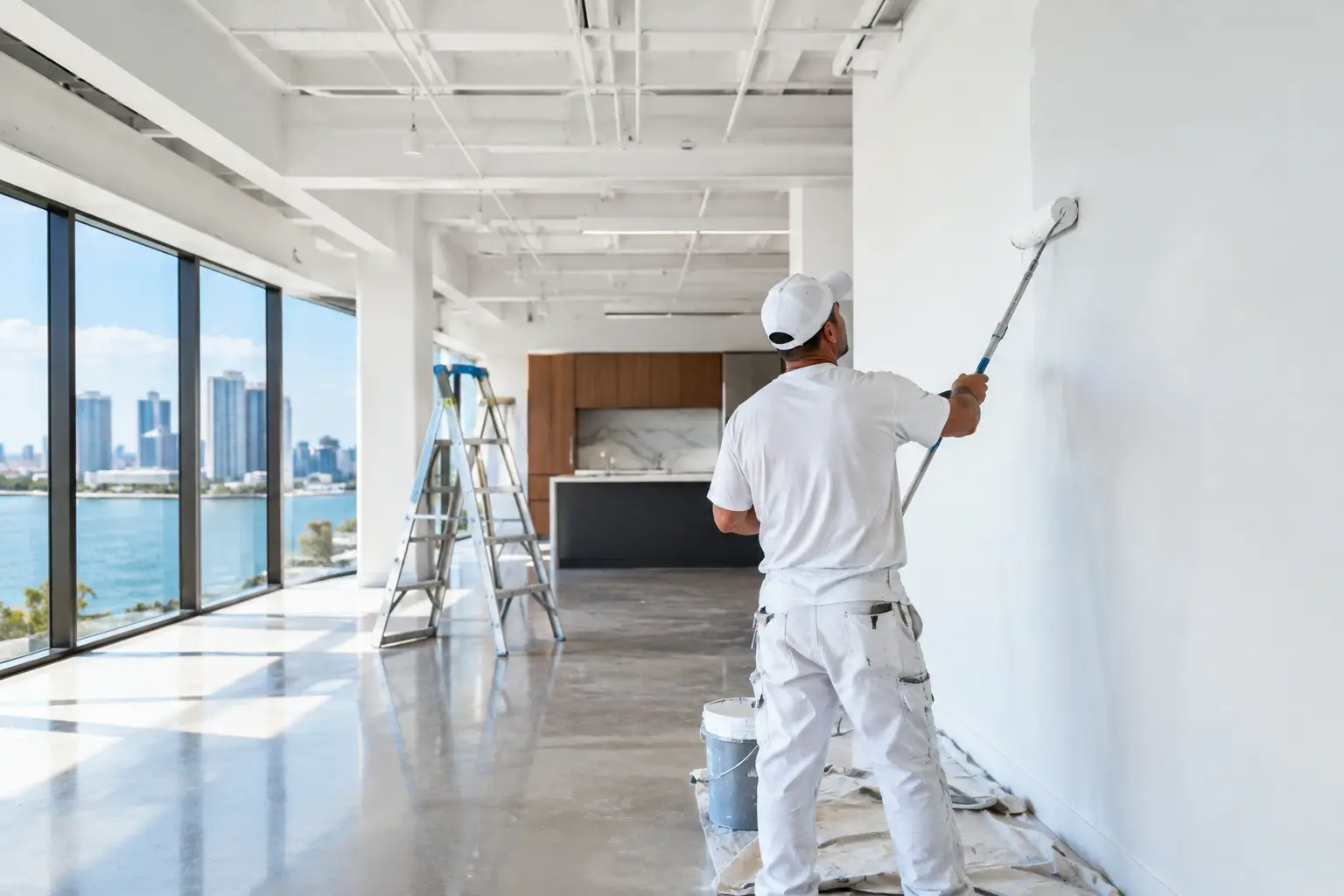
A commercial paint job is often judged before a customer reads a sign, meets the staff, or sees the product. In a market where presentation matters, commercial painting Miami property owners and managers need must do more than refresh a wall color. It needs to support the way the space operates, hold up to traffic and humidity, and be completed with as little disruption as practical.
For offices, retail spaces, apartments, restaurants, professional suites, and common areas, painting is one of the most visible interior improvements available. But the difference between a quick cosmetic fix and a finish that performs well comes down to planning, surface preparation, materials, and coordination.
What Commercial Painting Should Accomplish
Commercial interiors work harder than most residential rooms. Entry corridors collect scuffs from carts and luggage. Break rooms deal with moisture and frequent cleaning. Reception areas must make a strong first impression while staying presentable through daily foot traffic. A good painting plan considers each of those conditions before colors or finishes are selected.
The right scope may include repainting walls and ceilings, repairing drywall damage, finishing trim and baseboards, updating doors, or addressing stains and worn areas. In many properties, painting also follows other improvement work such as flooring replacement, drywall repairs, lighting updates, or a tenant turnover. Coordinating these items in the proper order helps prevent duplicated work and protects new finishes.
A fresh coat alone cannot solve every problem. Water stains, peeling paint, cracks, uneven drywall, and old patchwork require attention first. Painting over those issues may make them less noticeable for a short time, but they often return and can undermine an otherwise polished result.
Commercial Painting Miami Projects Need a Local Approach
Miami's heat, moisture, and heavy use of air-conditioned interiors affect how paint performs. High humidity can influence drying conditions, while condensation, leaks, and moisture exposure can leave visible marks on drywall and ceilings. Material selection and preparation should account for the specific space rather than relying on one standard paint system for every room.
For example, a busy apartment hallway may benefit from a durable, washable wall finish that makes routine cleaning easier. An office suite may call for a lower-sheen finish that reduces glare under overhead lighting. In restrooms, kitchens, and utility-adjacent areas, moisture resistance and proper surface condition deserve added attention.
Color also behaves differently under Miami's bright natural light. A white that looks soft in a sample can appear much cooler beside large windows, while a dark accent wall may show marks more quickly in a high-touch area. Testing colors in the actual space, under both daylight and installed lighting, is a practical step before approving a full application.
Start With the Scope, Not the Color
Color conversations are valuable, but the first question should be what needs to be painted and why. A clear walkthrough helps identify visible damage, existing coating conditions, occupied areas, access limitations, and the work that needs to happen before painting begins.
A useful estimate should distinguish between straightforward repainting and work that requires drywall repair, stain blocking, caulking, sanding, trim preparation, or more extensive finishing. This level of detail gives owners and managers a more reliable picture of the project. It also reduces the risk of assuming that repairs are included when the original request was limited to painting.
Scheduling is part of the scope as well. A retail storefront may need work planned around customer hours. An apartment community may need to coordinate access with residents. A vacant office or turnover unit can offer a more efficient work window, but other trades still need to be sequenced carefully. The best plan depends on the property, its occupants, and the condition of the space.
Surface Preparation Is Where Quality Begins
Paint adheres best to clean, dry, sound surfaces. That sounds basic, but preparation is frequently where commercial work either succeeds or falls short. Walls may need to be cleaned to remove dust and residue, loose paint may need to be stabilized, and cracks or impact damage may need drywall repair and finishing before the final coat is applied.
Professional preparation also includes protecting flooring, furniture, fixtures, and adjacent finishes. In an active commercial environment, containment and cleanup are operational concerns, not afterthoughts. Teams should organize the work area so that employees, tenants, customers, and other contractors can move safely around the project whenever occupancy requires it.
Primer is not always necessary on every surface, but it is valuable when conditions call for it. Repaired drywall, substantial color changes, stains, and uneven existing finishes can all benefit from the appropriate primer. Skipping that step may lead to flashing, inconsistent sheen, or a finish that does not look uniform once the room is fully lit.
Drywall Repairs Should Match the Finish Level
A wall can be structurally sound and still look unfinished if patches are not blended correctly. This is especially apparent in reception areas, hallways, and spaces with directional lighting. Repairs should be feathered, sanded, and primed so the painted surface reads as one consistent plane rather than a collection of previous fixes.
For landlords and property managers, this matters during turnovers. Addressing nail holes, dents, corner damage, old mounting locations, and baseboard gaps before painting creates a cleaner handoff and helps the unit or common area show better from day one.
Choose Finishes for Maintenance, Not Just Appearance
The sheen of paint affects both appearance and upkeep. Flat finishes can minimize the look of minor wall imperfections, but they may be less forgiving in areas that require frequent cleaning. Higher-sheen products are generally easier to wipe down, yet they can reveal drywall irregularities and roller marks if preparation is poor.
There is no single best option for every commercial property. A balanced approach often works well: durable, washable finishes in traffic-heavy zones and lower-sheen finishes where a softer visual effect is preferred. Trim, doors, and baseboards may require a different coating system than walls because they receive more direct contact and impact.
The paint color should also support the purpose of the business. Neutral tones can make a suite feel clean, flexible, and ready for future tenants. Brand colors can create a more defined customer experience when used strategically at a reception wall, service counter, or feature area. The goal is to create an organized environment that feels intentional without making future maintenance unnecessarily difficult.
Keep Business Disruption in View
The smoothest projects are planned around how a space is used. This may mean completing work in phases, separating occupied areas from active work zones, or scheduling certain tasks after hours when appropriate. The right approach depends on access, project size, building rules, and the amount of repair involved.
Communication makes a noticeable difference. Property contacts should know which areas are being addressed, what needs to be moved or protected, when paint needs time to dry, and whether other improvement work affects the schedule. A clear point of contact and a defined scope help prevent small decisions from turning into delays.
For multi-unit properties and tenant spaces, painting can also be paired with practical interior improvements such as drywall finishing, baseboard replacement, minor trim work, and flooring-related touchups. Completing related cosmetic items together can produce a more cohesive result than treating each one as a separate emergency repair.
A Better Standard for Commercial Interiors
Commercial painting is not simply a maintenance expense. Done well, it helps protect the impression a property makes, supports cleaner operations, and extends the usable life of interior surfaces. The strongest results come from realistic planning, careful preparation, suitable materials, and workmanship that respects the space.
JT Express Solutions Corp helps Miami-Dade owners, property managers, landlords, and commercial clients plan interior painting and related finishing work with clear communication and practical attention to detail. For a space that needs repainting, drywall repair, turnover improvements, or a more complete interior refresh, request an estimate that reflects the condition of the property and the way it needs to function.