Apartment Painting Miami for Better Turnovers
By JT Express Solutions ·
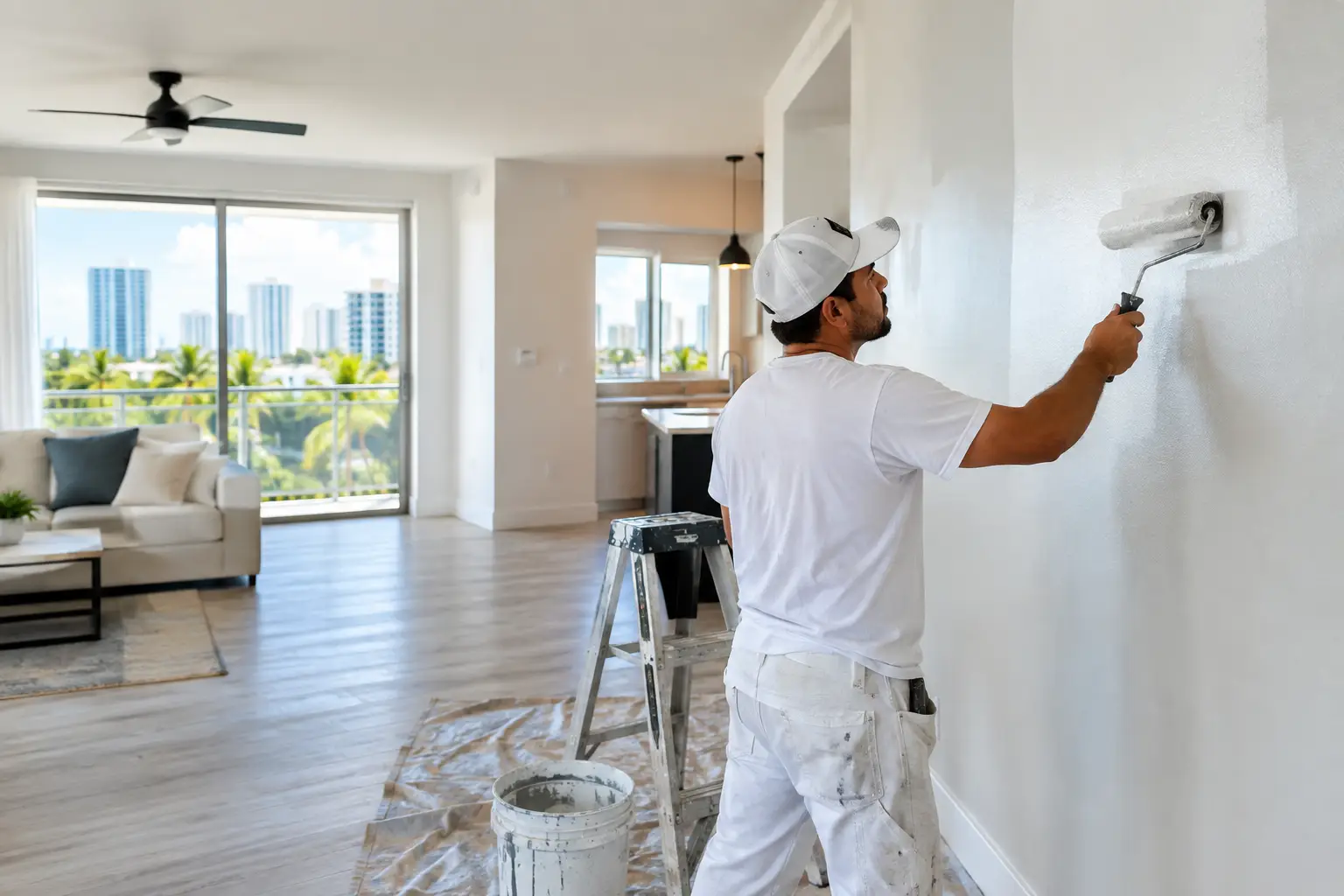
A vacant apartment can look clean at first glance and still signal neglect the moment a prospective tenant walks in. Scuffed baseboards, patchy touch-ups, hairline wall cracks, and paint that has yellowed unevenly all affect how a space is perceived. Professional apartment painting Miami property owners plan carefully can refresh that first impression while addressing the smaller finish issues that often delay a turnover.
For owners, landlords, and property managers, painting is rarely just about changing a color. It is part of preparing a unit for the next resident, protecting the condition of the property, and presenting a home that feels cared for. The best results come from treating painting as a coordinated interior improvement project rather than a last-minute item on a turnover checklist.
Why Apartment Painting Has a Bigger Job Than Color
In an occupied home, painting can be scheduled around a household. In a rental apartment, the work often falls between move-out, cleaning, maintenance, inspections, and move-in. That tighter window makes preparation, communication, and sequencing just as important as the final coat.
A good painting scope begins with a walk-through. This identifies more than obvious wall damage. It can reveal failed caulk at trim, nail holes from wall-mounted items, dents near door handles, peeling paint in humid areas, water-stain history, loose baseboards, or drywall repairs that need proper finishing before paint is applied. Covering these conditions quickly may make them less visible for a few days, but it does not produce the clean, consistent finish a tenant or buyer expects.
Miami apartments also face conditions that influence paint performance. High humidity can affect drying times, and coastal air, frequent use of air conditioning, and everyday condensation can expose weaknesses in poorly prepared surfaces. Bathrooms, laundry areas, kitchens, and exterior-facing walls deserve particular attention. The right product and prep method depend on the room, substrate, existing paint condition, ventilation, and whether prior moisture concerns have been resolved.
What a Professional Apartment Painting Scope Should Include
Painting estimates can look similar on paper while covering very different levels of work. A transparent scope should clarify which rooms are included, whether ceilings and trim are part of the project, what repairs are anticipated, and how the contractor will protect flooring, cabinetry, appliances, and other finished surfaces.
Surface Preparation Sets the Standard
Prep work determines whether a painted wall looks smooth in daylight and holds up through normal use. Before paint is applied, surfaces may need cleaning, sanding, spot priming, caulking, and drywall patching. Small repairs should be feathered and finished so they blend with the surrounding wall instead of leaving a raised or flashing patch.
For turnover work, it is also useful to inspect common damage points: behind doors, around light switches, near bed placement, along hallway corners, and around mounted televisions or shelving. These areas frequently need more than a quick dab of paint. Proper repair prevents a newly painted room from still looking worn.
Walls, Ceilings, Trim, and Doors Need Different Attention
A full apartment repaint may include walls, ceilings, baseboards, door frames, interior doors, closets, and window trim. Each surface has a different visual role. Fresh walls brighten the unit, but crisp trim lines and clean doors are often what make the apartment feel finished.
Ceilings should be evaluated separately, especially when there are stains or previous repairs. Stains may require appropriate priming before repainting. If there is evidence of an active leak or ongoing moisture issue, that cause should be addressed before cosmetic work begins. Paint can improve appearance, but it should not be used to conceal a condition that needs repair.
Product Selection Should Match the Unit's Use
For many rental interiors, a durable, washable wall finish in a neutral color provides the best balance of appearance and maintenance. The ideal sheen is not universal. Flatter finishes can minimize the appearance of minor wall imperfections, while higher-sheen paints are easier to clean but can highlight uneven drywall or poor patching.
Kitchens and bathrooms often benefit from finishes selected for frequent cleaning and moisture exposure. Trim and doors may require a tougher coating than walls because they receive more direct contact. The goal is not simply to choose the most expensive product. It is to select materials that support the apartment's condition, tenant profile, maintenance standards, and expected turnover cycle.
Choosing Colors That Help an Apartment Rent or Sell
Color decisions can become surprisingly expensive when they slow down a turnover or require repeated touch-ups. For most investment properties, a consistent neutral palette simplifies future maintenance and gives incoming tenants a clean canvas for their furniture and decor.
Soft warm whites, light greiges, muted sand tones, and pale gray-beiges remain practical choices when paired with the apartment's flooring, cabinetry, and natural light. Miami's bright sunlight can make cool gray walls feel stark, while overly yellow whites may look dated next to contemporary finishes. Sampling color in the actual unit matters, particularly near windows, balconies, and rooms with limited daylight.
A feature wall can work in a furnished model unit or a homeowner's apartment, but it is usually a less practical choice for standard turnovers. Consistency helps property teams keep records of colors, order touch-up paint, and maintain a cohesive look across multiple units.
Scheduling Painting Around a Turnover
The most efficient sequence depends on the unit's scope. In many cases, repairs and painting should happen after major removal work and before final cleaning, flooring installation, appliance delivery, or final punch-out tasks. Painting too early can create avoidable damage. Painting too late can hold up cleaners, installers, and move-in dates.
For an apartment with drywall damage, baseboard replacement, or flooring work, coordinating the trades matters. New baseboards usually need filling and paint after installation. Drywall patches need sufficient drying and sanding before a finish coat. Flooring installers may need clear access, while painters need protection measures if flooring has already been completed.
Clear scheduling also helps occupied-property situations. When a resident is still in place, the work plan should define room access, furniture movement expectations, ventilation considerations, daily cleanup, and the anticipated sequence. A professional team should communicate what is included before work begins rather than leaving decisions to be made on site.
When Painting Should Be Paired With Other Interior Improvements
A repaint can make an apartment feel new, but it can also expose other tired details. If walls are freshly finished and the baseboards are chipped, outlets are yellowed, or cabinet hardware is dated, the contrast may make the remaining items more noticeable. That does not mean every unit needs a full remodel. It means the improvement plan should be evaluated as a whole.
For rental property improvements, painting often pairs well with drywall finishing, baseboard replacement, door and trim updates, flooring installation, minor bathroom refreshes, and punch-out work. This approach can be especially valuable when an owner is preparing a unit after a long tenancy or before listing it for sale. A coordinated scope reduces repeated visits and helps create a more consistent final result.
The right level of investment depends on the property's market position, the condition of nearby units, and the expected return. A well-maintained apartment may only need repairs and a repaint. A dated unit with worn finishes may benefit more from a broader refresh that brings key surfaces into alignment.
Questions to Ask Before Approving a Painting Estimate
Before selecting a painting contractor, ask how surface repairs will be assessed, which rooms and surfaces are included, and whether materials are specified in the estimate. Confirm how furniture, floors, cabinets, and appliances will be protected. For apartment communities and managed properties, it is also helpful to discuss access procedures, communication with the property team, cleanup expectations, and the process for documenting added repairs discovered after work begins.
Price matters, but the lowest number may leave out the preparation that makes a paint job last and look right. A useful estimate gives you a clear understanding of the work, not just a square-foot figure or a vague promise of two coats. If a unit has water damage, significant cracking, lead-time concerns, or a tight move-in deadline, those details should be discussed upfront so the scope can be adjusted realistically.
A Finished Apartment Should Feel Ready, Not Rushed
The strongest apartment painting results are easy to recognize. The walls look even in natural and artificial light, repairs blend into the surrounding surfaces, trim lines are clean, and the unit feels prepared for its next chapter. That standard protects the property's presentation while reducing the need for immediate corrective work.
For apartment turnovers and interior painting projects in Miami-Dade County, JT Express Solutions can help evaluate the condition of the unit, coordinate practical repairs, and provide a clear estimate for a tenant-ready finish. A thoughtful walk-through before the schedule is set can turn a routine repaint into an improvement that supports the value of the entire property.