Home Renovation Miami Plans Built to Last
By JT Express Solutions ·
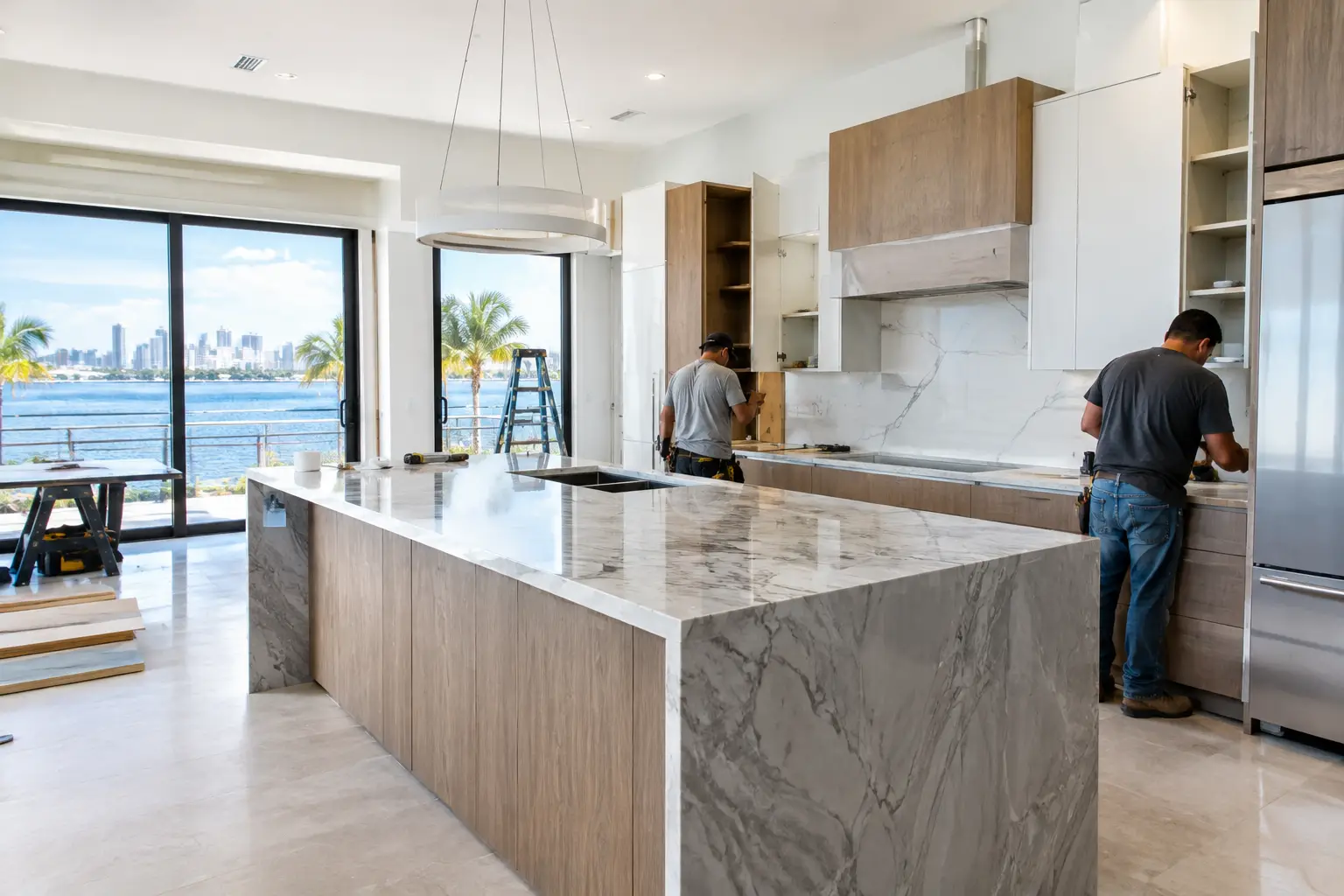
A successful home renovation Miami homeowners feel good about months and years later begins before any demolition. It begins with a clear plan for how the home needs to function, what deserves the investment, and which details will hold up in South Florida’s heat, humidity, and active daily living. Whether you are updating a condominium, improving a rental unit, or reshaping a long-time family home, the best results come from aligning design choices with practical construction decisions.
Start With the Purpose of the Renovation
A renovation can solve very different problems. A homeowner may need a kitchen that works for entertaining and family meals. A landlord may need a durable, attractive apartment turnover that protects the next lease cycle. An investor may be preparing a property for sale, while a property manager may need punch-out work completed with clear coordination and minimal disruption.
Before selecting finishes, define what the project must accomplish. Is the goal better storage, a more open layout, easier maintenance, updated surfaces, or a stronger first impression? This decision affects the budget and the scope. Replacing cabinetry, flooring, lighting, and countertops is different from moving walls, changing plumbing locations, or reworking electrical components.
A well-defined scope also helps prevent the most common source of renovation frustration: changes made after work has started. Some adjustments are unavoidable when existing conditions are uncovered, especially in older properties. Still, a detailed walk-through and written estimate make it easier to identify priorities, allowances, and potential decision points before construction begins.
Home Renovation Miami Projects Need Local Planning
Miami interiors face conditions that should influence material selection. High humidity, frequent rain, strong sunlight, and the regular movement of sand and moisture from outdoor living areas can wear down finishes faster than homeowners expect. A beautiful material that is difficult to maintain may not be the right fit for every room or household.
For flooring, moisture resistance and cleaning requirements matter as much as appearance. Porcelain tile remains a practical choice for many homes because it handles daily use well and offers broad design options. Quality vinyl plank flooring can also work well in appropriate interior applications, particularly when comfort underfoot, efficient installation, and easy maintenance are priorities. The right choice depends on subfloor conditions, the room’s use, the desired look, and the building’s requirements.
In kitchens and bathrooms, cabinetry, wall finishes, and paint should be selected with humidity in mind. Proper surface preparation, drywall repair, and ventilation planning support a finished look that lasts. In a bathroom, a spa-like finish is only as successful as the preparation behind it: sound walls, properly installed materials, clean transitions, and careful attention around wet areas.
Condominium projects often add another layer of planning. Building management may require association approval, insurance documentation, work-hour restrictions, elevator reservations, and protection for common areas. These requirements can affect scheduling and should be reviewed early, not after materials have been ordered.
Budget for the Work Behind the Walls
Homeowners naturally focus on the visible transformation: the new shower tile, fresh cabinetry, modern flooring, or a crisp interior paint color. Those elements matter, but the budget also needs room for the work that makes them perform correctly.
Drywall repair, wall leveling, floor preparation, baseboards, trim, demolition, debris handling, and protection of adjacent areas all affect the final result. If the renovation includes a kitchen or bathroom, existing plumbing and electrical conditions may also influence the scope. An accurate estimate should make the planned work understandable rather than reducing the project to one unexplained number.
It is wise to set aside a contingency for concealed conditions. A renovation may reveal water damage, uneven surfaces, previous patchwork, or components that need correction before new finishes can be installed. This does not mean every project will encounter a major surprise. It means a realistic plan accounts for the possibility and gives the owner a process for approving changes if they arise.
The lowest initial price is not always the lowest overall cost. Incomplete preparation or vague scopes can lead to added work later, mismatched expectations, and a finish that does not look as intended. Compare estimates based on what is included, the materials and finish level proposed, site protection, communication, and the contractor’s ability to manage the full interior scope.
Choose Finishes That Match Real Life
Design should serve the people using the space. A bright, open kitchen may be the centerpiece of a home, but it should also offer enough counter space, practical storage, and durable surfaces. A bathroom can feel calm and elevated without being difficult to clean. A rental improvement should look current while using materials that can be maintained and replaced efficiently between tenants.
Color and texture are especially important in Miami homes, where abundant natural light can change how finishes appear throughout the day. Paint samples should be viewed in the actual room, not only under store lighting. Flooring, wall color, cabinetry, and countertops should be considered together, particularly in open-concept interiors where one selection affects the entire visual flow.
For an interior that feels intentional, pay attention to the finishing details. Straight baseboards, properly fitted trim, smooth drywall, clean paint lines, aligned tile, and thoughtful transitions between rooms create a more complete result. These are not minor extras. They are often what separates a quick cosmetic update from an extraordinary living environment that feels professionally finished.
Understand Permits, Building Rules, and Project Scope
Not every interior improvement requires the same approvals. Cosmetic painting, flooring replacement, drywall repairs, and trim work may have different requirements than renovations involving layout changes, plumbing, electrical work, or structural elements. Local requirements can vary by municipality, building, and project type.
For full remodeling projects in Miami-Dade County, working with a qualified contractor who understands the applicable process helps owners make decisions with more confidence. The contractor should discuss the intended scope, explain where approvals may apply, and coordinate the work in a way that respects the property’s rules. In Broward, Palm Beach, and other South Florida locations, selected interior improvement, finishing, maintenance, and turnover services should be evaluated according to the project scope and local requirements.
A permit is not a detail to address later. If it applies, it can affect design choices, scheduling, inspections, and the sequence of work. Addressing it early supports a more organized renovation and avoids putting new finishes at risk of being removed or altered later.
What a Well-Managed Renovation Looks Like
Good renovation management is visible in the finished room, but it is also felt throughout the project. It means knowing who is responsible for decisions, receiving updates when conditions change, protecting the home during work, and keeping the work area as orderly as the project allows.
The process should begin with an on-site discussion of goals, measurements, existing conditions, and priorities. From there, the owner should receive a clear scope that identifies the proposed work and establishes the path toward material selections and scheduling. Once work begins, communication matters most when choices need to be made. A prompt conversation about an unexpected condition is far better than a silent assumption.
For occupied homes, planning around access, pets, children, parking, and daily routines can make a meaningful difference. For rental and commercial interiors, coordination may focus on unit access, turnover deadlines, common-area rules, and keeping the property ready for the next stage of use. The approach changes, but the need for accountability stays the same.
Build Value Beyond the Before-and-After
The strongest renovations improve more than appearance. They make the home easier to live in, easier to maintain, and more aligned with the owner’s plans for the property. Sometimes that means a complete kitchen or bathroom transformation. Sometimes it means targeted flooring, interior painting, drywall finishing, new baseboards, or a focused apartment turnover that changes how the entire space presents.
JT Express Solutions Corp helps Miami-Dade homeowners, landlords, investors, and property managers evaluate interior remodeling goals with practical guidance, quality craftsmanship, and transparent communication. A thoughtful estimate is the right place to begin: it turns a broad idea into a workable scope, clear priorities, and a home improvement plan built around the way the space will actually be used.