Interior Finishes Miami Homeowners Choose Wisely
By JT Express Solutions ·
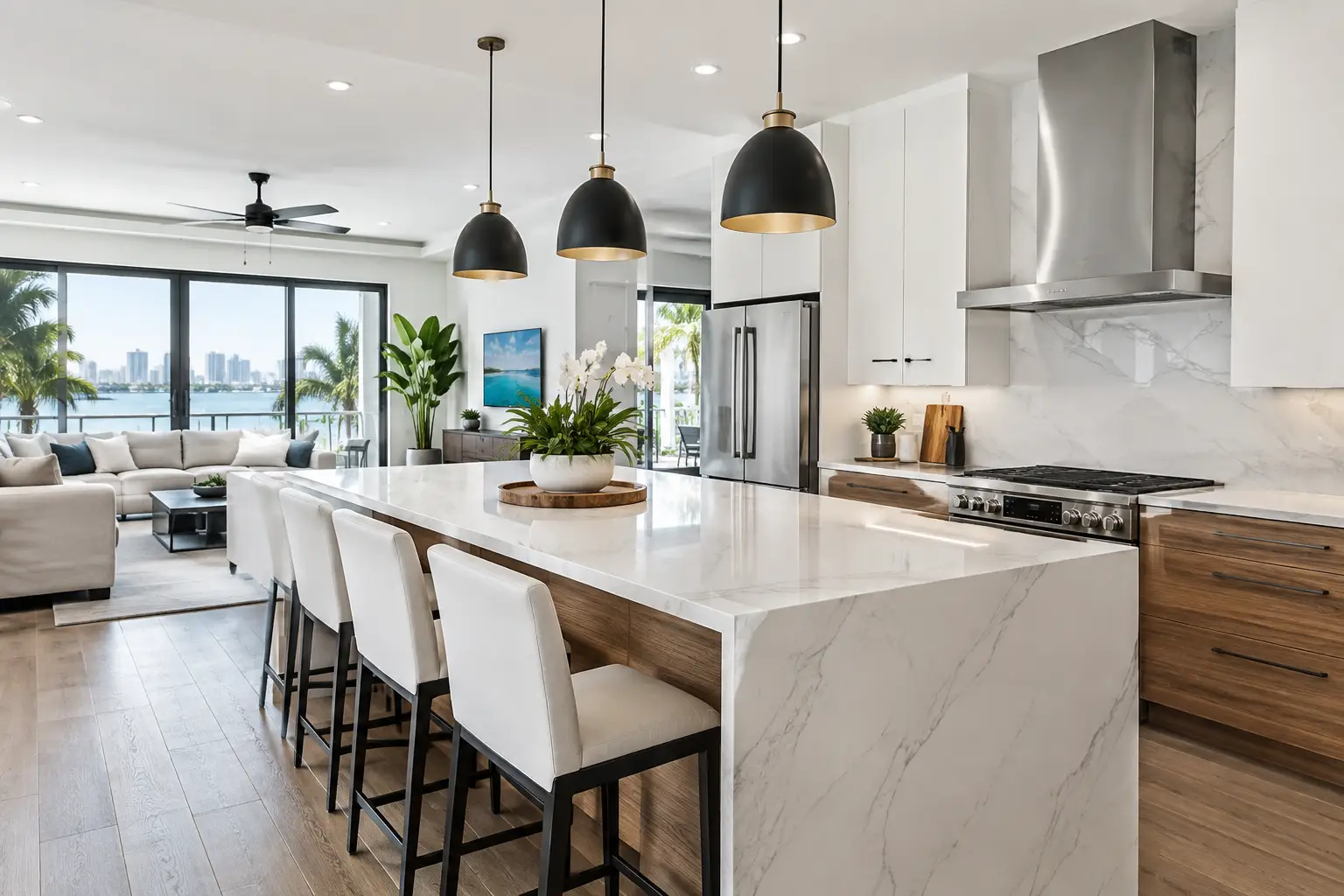
A new floor can look beautiful on installation day and still become a disappointment if the subfloor was not prepared correctly. Fresh paint can transform a room, but uneven drywall repairs and poor trim details will show up every time sunlight crosses the wall. That is why interior finishes Miami homeowners select should be considered as a complete system of materials, preparation, installation, and final details.
For a condo, single-family home, rental unit, office, or apartment turnover, the finish work is what people see and use every day. It determines whether a renovation feels polished and intentional or unfinished around the edges. The right choices also have to hold up to South Florida humidity, active households, building requirements, and the practical demands of cleaning and maintenance.
What Interior Finishes Include
Interior finishes are the visible layers that complete a space after the underlying construction, electrical, plumbing, and framing work is addressed. They commonly include flooring, wall and ceiling finishes, paint, drywall texture and repairs, interior doors, baseboards, trim, cabinetry, countertops, tile, and hardware.
These elements should work together rather than compete for attention. A warm-toned wood-look floor, for example, may call for a different wall color and baseboard profile than a large-format gray tile floor. The goal is not to match everything perfectly. It is to create a consistent visual direction while making choices that suit how the property will be used.
For rental properties and apartment communities, durability and replacement availability may carry more weight than a highly specific design statement. For a primary residence, homeowners may prioritize spa-like bathroom finishes, a kitchen that supports entertaining, or custom-looking trim that gives the home a more finished character. Both approaches benefit from a clear scope before materials are ordered.
Interior Finishes Miami Projects Need to Consider
Miami interiors face conditions that make product selection more than a style decision. Humidity, moisture exposure, frequent air-conditioning use, and strong natural light can affect how flooring, paint, wood products, and adhesives perform over time.
Flooring: Appearance Starts Below the Surface
Flooring is often the largest visual surface in a room, but successful installation begins with the condition of the substrate. Concrete slabs may need moisture testing, leveling, patching, or crack preparation before tile, vinyl plank, laminate, or engineered wood is installed. Skipping these steps can lead to hollow-sounding tile, uneven transitions, visible movement, or premature wear.
Porcelain tile remains a strong choice for many Miami homes because it handles moisture well and offers a wide range of looks. Luxury vinyl plank can be practical for certain occupied homes, rental units, and quick-refresh projects because it is comfortable underfoot and easy to maintain. Engineered wood can bring warmth to living areas, though the product, installation method, and moisture conditions must be evaluated carefully.
The best flooring is not always the most expensive option. It depends on the room, the existing slab, the amount of foot traffic, pets, maintenance expectations, and whether the home is owner-occupied or part of an investment portfolio.
Walls and Ceilings Set the Standard
Painting is one of the most visible ways to update an interior, but the quality of the finished room depends heavily on preparation. Drywall cracks, nail pops, old patches, uneven texture, water staining, and poorly repaired openings should be addressed before primer and paint are applied.
A smooth wall finish can make a room feel clean and contemporary, while a light texture may be better suited to matching existing finishes. There is no one-size-fits-all answer. In many homes, the right decision is to repair and blend the existing texture rather than create a noticeable mismatch from room to room.
Color selection deserves practical consideration too. Bright white walls can feel crisp and expansive, but warmer whites and soft neutrals often work better with Miami's strong daylight and popular stone, tile, and wood tones. Higher-sheen paints are generally easier to wipe down, while lower sheens can better disguise minor wall imperfections. The right balance depends on the room and its daily use.
Trim, Baseboards, and Doors Complete the Room
Baseboards, door casing, and interior doors are small details with a large effect on perception. When trim is cut cleanly, caulked properly, and painted consistently, it frames the room and gives flooring and wall finishes a finished endpoint.
Taller baseboards can add presence in homes with suitable ceiling height, while simpler profiles may better fit a clean, modern renovation. What matters most is consistency. Mixing profiles, leaving uneven gaps at flooring transitions, or installing trim without accounting for door casings can make even quality materials look rushed.
Door replacement or refinishing should also be coordinated with hardware, paint colors, and nearby trim. A project may not require every door to be changed, but a plan for visible areas helps the interior feel intentional instead of pieced together over time.
Plan the Finish Sequence Before Work Begins
Good finish work follows an organized sequence. Materials should not be installed simply because they have arrived. Flooring, drywall, painting, cabinetry, countertops, tile, and trim all affect one another, and the order of operations helps protect completed work from damage.
For example, drywall repairs and ceiling work typically need to happen before final painting. Cabinet installation often comes before countertops, backsplashes, and final hardware. Flooring may be installed before or after cabinetry depending on the material, design, appliance clearances, and project scope. There are valid approaches in different situations, which is why a contractor should explain the recommended sequence rather than apply the same method to every property.
Condo renovations add another layer of planning. Building management may require certificates of insurance, approved work hours, elevator reservations, debris procedures, and advance notice before material deliveries or demolition. Addressing these items early can reduce avoidable delays and keep the job organized for residents and property staff.
Transparent Scopes Prevent Costly Surprises
A reliable estimate should do more than provide a broad number. It should clarify the areas being improved, the labor involved, material responsibilities, preparation assumptions, and work that may require additional evaluation once surfaces are opened.
This is especially important for older homes and occupied properties. A flooring estimate may depend on how much leveling is needed. A paint project may reveal drywall damage after furniture is moved or wallpaper is removed. A bathroom finish update may uncover moisture-related repairs behind existing tile. These are not reasons to avoid a renovation. They are reasons to plan with realistic allowances and communicate clearly as conditions are discovered.
Homeowners and property managers should also discuss who will select and purchase finish materials. Some clients prefer guidance on products and colors while making final selections themselves. Others want a more coordinated material plan. Either method can work when specifications, quantities, delivery timing, and acceptable substitutions are documented before installation begins.
Choosing a Contractor for Finish Work
The best results come from more than attractive samples. Look for a contractor who asks informed questions about the property, explains preparation needs, provides a defined scope, and communicates what will happen from demolition through punch-out. Finish work is detail-driven, so quality control near the end of the project matters as much as the first day on site.
For full remodeling work in Miami-Dade County, qualified customers should choose a team equipped to manage the connected parts of an interior renovation, from drywall and flooring to kitchens, bathrooms, painting, trim, and final corrections. In Broward, Palm Beach, and other South Florida locations, selected interior improvement, cosmetic, turnover, and finishing services should be evaluated according to project scope and local requirements.
JT Express Solutions Corp helps homeowners, landlords, investors, and property managers bring order to interior improvement projects with clear communication, practical recommendations, and careful attention to finished details. Whether the goal is a complete remodel or a targeted refresh before a sale, lease, or move-in, requesting an estimate early gives you time to make better material decisions and plan the work around your property.