Vinyl Flooring Installation Miami That Lasts
By JT Express Solutions ·
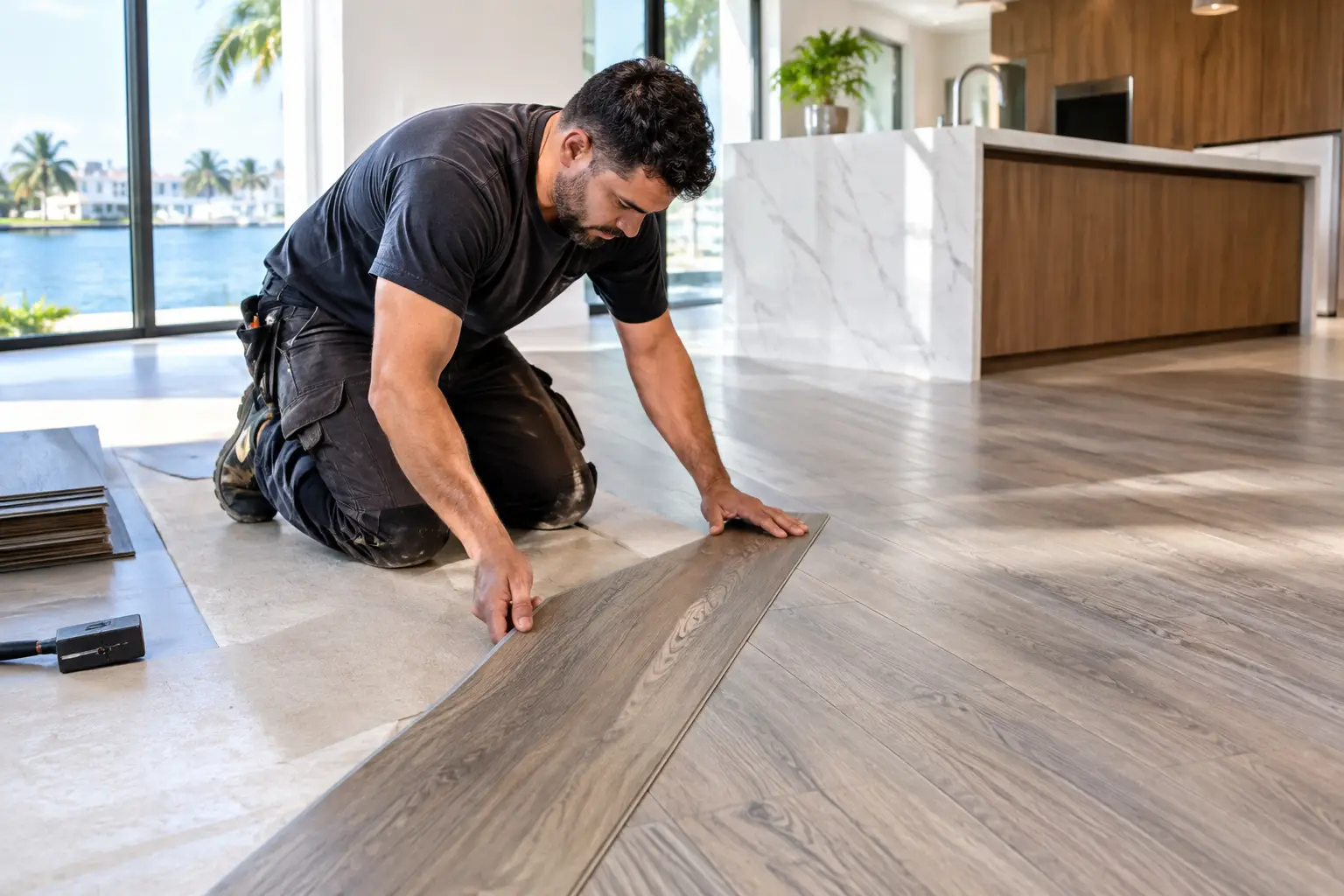
A new floor can make a dated condo, rental unit, or family home feel immediately more finished. But vinyl flooring installation Miami property owners can rely on is about more than choosing a color that photographs well. The best result starts below the surface, with the right product for the room, a properly prepared subfloor, and details that account for Miami's humidity, active households, and frequent turnover needs.
Vinyl has become a practical favorite for kitchens, bathrooms, living areas, and rental properties because it offers a clean, updated look without the care demands of many natural materials. Still, not every vinyl floor is right for every space, and a fast installation is not always a durable one. Knowing what affects the finished floor helps owners make decisions that look good on day one and hold up over time.
Why Vinyl Works Well in Miami Homes
Miami interiors need materials that can handle moisture in the air, wet shoes after a rainstorm, air-conditioning cycles, and daily traffic. Quality vinyl flooring is water-resistant or waterproof depending on the product, comfortable underfoot, and available in styles that resemble wood, stone, or contemporary tile. It can give a kitchen or living room the warm visual character of wide-plank oak while remaining easier to clean and more forgiving around everyday spills.
For landlords and property managers, vinyl can also make apartment turnovers more efficient. A consistent flooring selection across units can simplify repairs, create a cohesive presentation, and help a property feel current for prospective tenants. In owner-occupied homes, it can support an extraordinary living environment without requiring delicate maintenance routines.
The trade-off is that vinyl is not indestructible. Heavy furniture dragged across the surface, sharp impacts, and poor subfloor preparation can still leave damage or telegraph imperfections through the finished material. Product quality, wear-layer thickness, and installation conditions matter as much as the design sample.
Choosing the Right Vinyl Flooring Installation in Miami
The term vinyl flooring covers several distinct products. The right choice depends on the room, the existing floor, the desired appearance, and how the space will be used.
Luxury vinyl plank, often called LVP, is popular where homeowners want a wood-look floor with individual planks and a warmer feel. Luxury vinyl tile, or LVT, creates the appearance of stone, ceramic, or patterned tile and works especially well in bathrooms, kitchens, entryways, and contemporary commercial interiors. Sheet vinyl may be a sensible option for certain budget-conscious renovations or spaces where fewer seams are preferred.
Rigid-core plank products, including SPC and WPC options, are common choices for busy interiors. SPC generally feels firmer and offers strong dimensional stability, while WPC may provide a softer feel underfoot. Neither category is automatically better. A family with pets, a high-traffic rental, and a quiet bedroom renovation can each call for different priorities.
Before selecting a color, consider the visual scale of the room. Wide, lighter planks can make a compact condo feel more open. Mid-tone wood visuals often hide daily dust and small marks better than very dark floors. Tile-look vinyl can create a refined, spa-like finish in a bathroom, but grout-line visuals should complement the wall tile and vanity rather than compete with them.
The Subfloor Is the Real Starting Point
A beautiful vinyl floor installed over an uneven or damp surface is likely to disappoint. Subfloor evaluation is one of the most valuable steps in the process, particularly in South Florida, where concrete slabs are common and moisture conditions deserve attention.
Concrete must be clean, sound, and sufficiently flat for the flooring system being installed. Old adhesive residue, cracked areas, high spots, and low areas may need correction before planks or tiles go down. A floating floor can bridge minor variations, but it cannot solve meaningful unevenness. Over time, unsupported areas may flex, joints can separate, and the floor may develop visible movement.
Moisture testing is also worth discussing, especially at ground level or where a previous floor showed signs of moisture-related issues. “Waterproof” describes the flooring surface's ability to resist spills. It does not mean moisture coming through a slab can be ignored. The appropriate moisture-control approach depends on the product specifications and the condition of the existing substrate.
In renovation projects, preparation may also include removing existing flooring, addressing damaged underlayment, adjusting doors for proper clearance, and planning transitions between rooms. These details influence both the appearance and long-term performance of the installation.
Installation Details That Create a Finished Look
Vinyl flooring can appear straightforward once the room is empty, but clean results depend on layout and finishing decisions made before the first plank is placed. Installers should plan the direction of the flooring, establish balanced cuts at walls, and avoid narrow strips that make the perimeter look accidental.
Expansion space is another important consideration for floating vinyl systems. The floor needs the manufacturer-required room around walls, cabinets, and fixed objects so it can respond appropriately to normal changes in the environment. That space is typically concealed with baseboards, shoe molding, or other appropriate trim details.
Baseboards make a noticeable difference. Reinstalling existing trim carefully or upgrading worn trim during a flooring project can give a room a more complete, intentional appearance. Door casings, closet thresholds, and transitions to tile or carpet should be coordinated so the new floor does not look added as an afterthought.
For kitchens and bathrooms, the sequence of work deserves attention. Flooring, cabinetry, vanities, appliances, wall finishes, and trim all affect one another. A coordinated interior renovation plan prevents avoidable rework and helps maintain consistent reveals, heights, and transitions.
Common Decisions That Affect Cost and Scope
Two rooms with the same square footage can require very different levels of work. A vacant room with a sound slab, simple rectangular layout, and readily available material is not comparable to an occupied condominium with furniture moving, old tile removal, cracked concrete repair, multiple closets, and detailed trim work.
The most meaningful factors usually include the type of vinyl selected, removal and disposal of existing finishes, floor leveling or repairs, moisture-related preparation, furniture handling, baseboard work, stairs, and transitions. Access can also matter in high-rise buildings where elevator scheduling, loading rules, and work-hour requirements need to be respected.
A transparent estimate should identify what is included and highlight conditions that may require additional work once existing flooring is removed. That is not a sign of poor planning. It is an honest recognition that concealed subfloor conditions are sometimes impossible to confirm until demolition begins.
Vinyl Flooring for Rentals and Commercial Interiors
For rental properties, flooring decisions should balance appearance, repairability, and the expected length of ownership. A product with a stronger wear layer may cost more initially but can be a better fit for frequent tenant turnover or pet-friendly units. Keeping a small amount of matching material after installation is a practical way to prepare for future repairs.
Commercial interior spaces, offices, and common areas may require a different performance level than a residence. Traffic patterns, rolling loads, cleaning methods, and safety requirements should guide the product selection. The finish should support the space's function while still creating a polished first impression for residents, employees, or customers.
A More Organized Flooring Project
A flooring project is easier when decisions are made in the right order: evaluate the existing floor, choose a product suited to the space, confirm preparation needs, and coordinate trim and adjacent finishes. This is particularly helpful when flooring is part of a larger kitchen, bathroom, paint, drywall, or apartment turnover project.
JT Express Solutions helps Miami-Dade owners and property managers approach interior improvements with practical planning, clear communication, and attention to the finishing details that shape the final result. For selected South Florida projects, scope and local requirements should be reviewed before scheduling work.
If your floors are worn, mismatched, or holding back an otherwise well-kept interior, request an estimate before selecting materials. A site evaluation can turn a sample-board decision into a floor that fits the room, the property, and the way the space is actually used.